
Camping Guide: Howell Station Campground at Lake Red Rock
Quick answer
- Book your spot at Howell Station Campground at Lake Red Rock well in advance, especially for weekends and holidays.
- Check the official Lake Red Rock website or the US Army Corps of Engineers site for current conditions and reservation info.
- Pack for variable Iowa weather – sun, rain, and wind are all on the table.
- Be prepared for a variety of outdoor activities like boating, fishing, hiking, and exploring the dam.
- Understand and practice Leave No Trace principles to keep this spot pristine.
- Know your route and any potential road closures or detours before you head out.
What to check first (do this before you drive out)
Before you even think about packing the cooler, get a lay of the land.
- Land manager / legality: Howell Station Campground is managed by the US Army Corps of Engineers (USACE) as part of the Lake Red Rock project. This means their rules apply. Always check the official USACE Lake Red Rock website for the most up-to-date information on camping, permits, and regulations.
- Access/road conditions: Lake Red Rock is generally accessible by paved roads leading to the campground. However, after heavy rain, some unpaved access points or overflow parking areas could get muddy. For the main campground, standard vehicles are usually fine. If you plan on exploring more remote areas around the lake, an AWD or higher clearance vehicle might be useful. Always check local road reports if you’re traveling during or after significant weather events.
- Fire restrictions + weather + wind: Iowa weather can flip faster than a pancake. Check the forecast for Pella and the surrounding Marion County area right before you leave. Pay close attention to wind speed – it can get surprisingly breezy out on the lake and around the campground. Also, verify current fire restrictions. During dry spells, campfires might be prohibited.
- Water plan + waste plan (Leave No Trace): Potable water is typically available at Howell Station, but it’s wise to have a backup supply, especially if you plan on being out on the water all day. For waste, pack it in, pack it out. This applies to all trash, food scraps, and even things like cigarette butts. Utilize the provided trash receptacles, but if they’re full, take your waste with you. Plan to use campground restrooms and dispose of greywater responsibly according to USACE guidelines.
- Safety (wildlife, distance to help, comms): You’re in nature, so expect some critters. Deer are common, and you might see various birds. Keep food secured to avoid attracting unwanted guests. The nearest significant medical facilities will be in Pella or Des Moines. Ensure you have a plan for emergencies, and know that cell service can be spotty in some areas around the lake. Consider a satellite communicator for remote exploration.
Step-by-step (field workflow)
Alright, you’ve checked the basics. Now, let’s get you set up.
1. Confirm Reservation & Arrival Time:
- What to do: Double-check your booking confirmation and note the official check-in time.
- What “good” looks like: You have your confirmation number handy and know when you can roll in. No surprises.
- Common mistake: Assuming you can just show up and get a spot, especially on a busy weekend. This leads to scrambling or leaving disappointed.
2. Navigate to Campground Entrance:
- What to do: Use your GPS but also keep an eye out for campground signage.
- What “good” looks like: You smoothly arrive at the main entrance, ready to check in or proceed to your site.
- Common mistake: Relying solely on GPS, which might lead you down an access road that’s closed or not the main entrance.
3. Check-in at Ranger Station/Kiosk:
- What to do: Follow the posted instructions for check-in. This might be a physical station or a self-registration process.
- What “good” looks like: You present your ID/confirmation, get your site tag, and any necessary information about campground rules.
- Common mistake: Driving straight to your campsite without checking in. You might be taking someone else’s spot or violating a rule.
4. Locate Your Campsite:
- What to do: Use the map provided at check-in to find your designated spot.
- What “good” looks like: You easily identify your site number and can see its features (tent pad, picnic table, fire ring).
- Common mistake: Wandering aimlessly, ending up at the wrong site, and causing confusion.
5. Assess Campsite Layout:
- What to do: Look at the terrain, shade, proximity to amenities (water spigots, restrooms), and potential tent locations.
- What “good” looks like: You’ve picked the best spot for your tent and seating area, considering sun/shade and wind direction.
- Common mistake: Pitching your tent in a low-lying area that will collect water if it rains, or directly in the path of prevailing wind.
6. Set Up Tent & Sleeping Area:
- What to do: Clear the ground of debris, pitch your tent securely, and set up sleeping bags/pads.
- What “good” looks like: Your tent is taut, staked down properly, and your sleeping area is comfortable and protected.
- Common mistake: Not staking the tent properly, leading to it flapping or even collapsing in wind.
Pair your tent with a suitable sleeping bag to ensure you stay warm and cozy throughout the night, regardless of the Iowa weather.

For a comfortable and protected night’s sleep, consider a reliable camping tent like this one, ensuring it’s properly staked down to withstand any wind.

7. Organize Camp Kitchen & Food Storage:
- What to do: Set up your cooking area, stove, and food bins. Secure all food immediately.
- What “good” looks like: Your cooking area is tidy, and all food is stored in bear-resistant containers or your vehicle, away from critters.
- Common mistake: Leaving food out, even for a short time. This is an open invitation to raccoons and other wildlife.
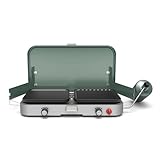
To organize your camp kitchen efficiently and prepare delicious meals, a portable camping stove is an essential piece of gear.
8. Establish Fire Ring Etiquette (if allowed):
- What to do: If fires are permitted, use the designated fire ring. Clear any flammable material around it.
- What “good” looks like: A contained, safe fire that you can easily extinguish.
- Common mistake: Building a fire outside the ring or too close to trees/tents.
9. Secure Vehicle and Gear:
- What to do: Park your vehicle in the designated spot and secure loose items.
- What “good” looks like: Your vehicle is parked legally, and nothing valuable is left visible.
- Common mistake: Leaving car doors unlocked or valuables in plain sight.
10. Familiarize with Campground Amenities:
- What to do: Locate restrooms, water sources, trash disposal, and any interpretive signs.
- What “good” looks like: You know where everything is, making your stay more comfortable and compliant.
- Common mistake: Not knowing where the nearest trash cans are, leading to overflowing bins or litter.
Common mistakes (and what happens if you ignore them)
| Mistake | What it causes | Fix |
|---|---|---|
| Not booking in advance | Being turned away, having to find alternative (and likely less desirable) lodging | Plan ahead, especially for peak seasons. Use the official reservation system. |
| Ignoring weather forecasts | Getting soaked, hypothermia, wind damage to gear, unsafe boating | Check multiple sources right before you leave and monitor conditions daily. |
| Improper food storage | Attracting wildlife (raccoons, squirrels, potentially larger animals) | Use provided lockers, bear-resistant containers, or store securely in your vehicle. |
| Leaving campfires unattended | Wildfires, property damage, fines | Never leave a fire burning unattended. Douse completely with water and stir until cold. |
| Disregarding Leave No Trace principles | Environmental damage, litter, impacting future visitors’ experience | Pack out everything you pack in, stay on trails, minimize campfire impacts, respect wildlife. |
| Driving off designated roads/paths | Soil erosion, damage to vegetation, getting stuck | Stick to established roads and parking areas. If you need to explore, use appropriate vehicles. |
| Not having a backup plan for water/power | Discomfort, inability to cook, dead phone batteries | Bring extra water, a portable power bank, and know where backup water sources are. |
| Failing to check fire restrictions | Illegal fires, fines, potential wildfire ignition | Always verify current fire bans with the land manager before starting any fire. |
| Not informing someone of your plans | Delayed rescue if something goes wrong | Tell a friend or family member where you’re going, your expected return, and who to contact if you don’t check in. |
| Using damaged or inadequate gear | Equipment failure, discomfort, safety hazards | Inspect all gear before your trip. Repair or replace anything suspect. |
Decision rules (simple if/then)
- If the weather forecast shows strong winds, then secure all loose gear and consider avoiding water activities, because high winds can make boating dangerous and damage camp setups.
- If you see wildlife getting too close to your camp, then make noise and appear larger to scare them away, because habituated animals can become a nuisance and a danger.
- If the fire ring is damp or wet, then use dry tinder and kindling to get it started, because starting a fire in damp conditions requires more effort and preparation.
- If you are unsure about a specific rule or regulation, then check the USACE Lake Red Rock website or ask a park ranger, because accurate information is key to a safe and compliant trip.
- If you plan on fishing, then check the Iowa fishing regulations and ensure you have the proper license, because fishing without a license is illegal and carries penalties.
- If you are leaving your campsite unattended for an extended period, then secure all food and valuables, because this minimizes the risk of theft or animal intrusion.
- If you encounter a road that looks impassable for your vehicle, then turn back or find an alternative route, because attempting to drive through is how most people get stuck or damage their vehicle.
- If you notice any damage to park facilities or signs of illegal activity, then report it to campground staff, because this helps the land managers maintain the area for everyone.
- If you are planning to boat or swim, then check water levels and any posted advisories, because conditions can change rapidly and pose risks.
- If you are camping during a busy holiday weekend, then expect crowds and limited availability, because popular spots fill up fast and require advance planning.
FAQ
Q: How early should I book a campsite at Howell Station?
A: It’s best to book as far in advance as possible, especially for weekends, holidays, and during the summer. Popular spots can fill up months ahead.
Q: Are campfires allowed at Howell Station Campground?
A: Campfires are generally allowed in designated fire rings, but always check for current fire restrictions before you go. Dry conditions can lead to bans.
Q: What kind of wildlife can I expect to see?
A: You’ll likely see deer, various birds, and smaller critters like squirrels and raccoons. Keep food secured to avoid unwanted visitors.
Q: Is there cell service at the campground?
A: Cell service can be spotty. Some areas might have reception, while others might be a dead zone. Don’t rely on it for critical communication.
Q: Can I swim at Lake Red Rock near the campground?
A: There are designated swimming areas. Always check for posted advisories regarding water quality and safety before entering the water.
Q: What are the main activities available at Lake Red Rock?
A: Boating, fishing, hiking, birdwatching, and exploring the dam and visitor center are popular. The lake offers a lot for outdoor enthusiasts.
Q: Is Howell Station open year-round?
A: It’s best to check the USACE website for seasonal operating dates. Some campgrounds may close during the off-season.
Q: What do I do if I have a problem or emergency?
A: For immediate emergencies, call 911. For non-emergencies, contact campground hosts or the USACE office if available.
What this page does NOT cover (and where to go next)
- Specific campsite numbers and their exact amenities. (Check the official reservation site.)
- Detailed fishing or boating regulations. (Refer to Iowa DNR and USACE guidelines.)
- Hiking trail conditions and maps. (Look for local trail guides or the USACE visitor center.)
- Nearby attractions in Pella or surrounding towns. (A quick local search will give you plenty of options.)
- Detailed emergency procedures for specific wildlife encounters. (General safety and avoidance are key; check wildlife agency advice for specifics.)

Camping Bob has spent over 20 years camping across the US — from BLM dispersed sites in the Southwest to KOA campgrounds in the Pacific Northwest. He writes practical, no-nonsense guides to help fellow campers get outdoors with confidence.