
Tips for Buying Ice From a Gas Station
Quick answer
- Know your ice needs: block vs. cubed, quantity.
- Check the freezer unit: is it running, clean, full?
- Look for condensation: a sign of a working freezer.
- Inspect the bags: no rips, tears, or excessive frost.
- Grab a cooler: keep it cold on the drive home.
- Don’t buy if it looks sketchy: trust your gut.
What to check first (do this before you drive out)
Before you even pull into the gas station parking lot, there are a few things to consider.
- Ice needs: How much ice do you need? Are you just topping off a small cooler for a day trip, or packing a big cooler for a weekend camping adventure? This will dictate the size and quantity of bags you’ll be looking for. Block ice melts slower, but cubed ice chills faster.
- Gas station inventory: Does the station you’re headed to typically carry ice? Some smaller or less-trafficked stations might be out, especially during peak times. A quick call ahead can save you a wasted trip.
- Cooler readiness: Is your cooler clean and ready to go? A pre-chilled cooler will keep your newly purchased ice frozen for much longer. Don’t forget to pack it in your vehicle so you can transfer the ice right away.
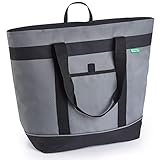
To keep your ice frozen for longer, consider investing in a high-quality insulated cooler bag. A good cooler is essential for any trip where you need to keep things cold.
Step-by-step (field workflow)
Okay, you’re at the station. Time to get that cold gold.
1. Park strategically: Pull up close to the store entrance, ideally near where the ice machines are located. This minimizes the time the ice is exposed to warmer air.
- Good looks like: Easy access, short walk to the ice.
- Common mistake: Parking way out in the lot and having to haul bags across asphalt. Avoid this by being mindful of your parking spot.
2. Locate the ice: Head straight for the freezer units. They’re usually outside, near the front of the store, or sometimes inside near the checkout.
- Good looks like: Clearly marked ice freezers.
- Common mistake: Wandering aimlessly. Know where you’re going.
3. Assess the freezer: Is the unit running? Listen for the hum. Is it clean? Look for excessive dirt or grime. Is it full? A nearly empty freezer is a bad sign.
- Good looks like: A humming, clean freezer stocked with bags.
- Common mistake: Grabbing ice from a unit that’s not cold or looks neglected. If it ain’t right, it ain’t right.
4. Check for condensation: Look for a light layer of frost or condensation on the inside walls of the freezer. This indicates it’s actively keeping things frozen.
- Good looks like: A healthy, cold environment.
- Common mistake: Buying from a freezer that looks dry and defrosted. That ice has seen better days.
5. Inspect the bags: Pick up a bag. Is it heavy? Does it feel solid? Check the plastic for any rips or tears. Make sure there isn’t an excessive amount of loose water or slush inside.
- Good looks like: A firm, intact bag with minimal internal melt.
- Common mistake: Buying a bag that feels light or has a huge puddle inside. You’re paying for ice, not water.
6. Evaluate the ice quality: If possible, look at the ice itself. Is it clear and solid, or cloudy and crumbly? Clear ice generally lasts longer.
- Good looks like: Solid, clear cubes or a dense block.
- Common mistake: Buying ice that looks like it’s been refrozen multiple times. It’ll melt faster.
7. Grab your cooler: If you brought one, open it up. This is where your ice is going.
- Good looks like: A ready and waiting cooler.
- Common mistake: Forgetting your cooler. This is a rookie move.
8. Transfer the ice quickly: Get the bags from the freezer into your cooler as fast as possible. Seal the cooler lid tight.
- Good looks like: Minimal exposure to ambient air.
- Common mistake: Leaving the cooler open while you pay or fumbling around. Speed is key.
9. Pay and leave: Head to the register. Don’t dawdle.
- Good looks like: A quick transaction.
- Common mistake: Getting sidetracked by snacks or other impulse buys. Your ice is melting!
10. Secure the cooler: Place the cooler in the coolest part of your vehicle, like the floor of the backseat or in the trunk if it’s shaded.
- Good looks like: A secure, shaded spot.
- Common mistake: Leaving the cooler in direct sunlight on a hot car seat.
Common mistakes (and what happens if you ignore them)
| Mistake | What it causes | Fix |
|---|---|---|
| Not checking the freezer’s status | Buying melted or partially melted ice. | Listen for the hum, look for frost. If it’s not cold, walk away. |
| Buying from a dirty/neglected unit | Potential for contamination, poor ice quality. | Choose cleaner-looking units. Your health is worth the extra step. |
| Ignoring condensation or frost build-up | Indicates the freezer isn’t working efficiently. | Look for a healthy frost line; avoid units that are too dry or icy. |
| Not inspecting the ice bags | Leaky bags, premature melting, less ice than you paid for. | Squeeze the bag gently, check for holes. Feel the weight. |
| Buying ice with excessive internal water | You’re paying for water, not ice. | Choose bags that feel solid and dense. |
| Leaving ice exposed to warm air for long | Rapid melting, wasted money. | Transfer ice to your cooler immediately. |
| Forgetting your cooler | Ice melts quickly in your car, or you have to buy one. | Always pack your cooler before you leave home. |
| Parking far from the store entrance | Longer exposure to heat during transfer. | Park close to the ice freezer location. |
| Not securing the cooler in your vehicle | Heat build-up, faster melting. | Place cooler in a shaded, cool spot. |
| Buying from a station that’s often out | Wasted trips. | Know your local gas station’s ice reliability. |
Decision rules (simple if/then)
- If the freezer unit is not running, then do not buy ice from it because it’s likely melted or will melt quickly.
- If the ice bags are ripped or have a lot of loose water, then choose a different bag or a different station because you’re not getting your money’s worth.
- If the ice looks cloudy or crumbly, then opt for clearer, more solid ice because it generally lasts longer.
- If you’re going on a long trip, then consider block ice because it melts much slower than cubed ice.
- If the gas station is known for being unreliable with ice stock, then call ahead or plan a backup location because you don’t want to get there and find them empty.
- If you don’t have a cooler, then think twice about buying a lot of ice unless you can get it into a cold environment quickly because it will melt fast in a hot car.
- If the weather is extremely hot, then buy more ice than you think you’ll need because it will melt faster.
- If you see condensation or a light frost on the inside of the freezer, then it’s a good sign the unit is working properly.
- If the bag feels exceptionally light, then it might be mostly water, so look for a heavier, more solid bag.
- If you are in doubt about the quality or freshness, then trust your gut and find another place to buy your ice because it’s not worth the risk.
FAQ
How much ice should I buy?
It depends on your cooler size, how long you’ll be out, and the ambient temperature. A good rule of thumb is to fill at least half your cooler with ice. For longer trips, aim for more.
Is gas station ice safe to drink?
Generally, yes. Most gas station ice is made from filtered water and manufactured to food-grade standards. However, if the freezer unit looks unsanitary, it’s best to be cautious.
What’s the difference between cubed and block ice?
Cubed ice chills drinks faster but melts more quickly. Block ice melts much slower, making it ideal for keeping the bulk of your cooler contents cold for extended periods.
Can I refill my own ice cooler at a gas station?
No, you typically cannot refill your personal cooler directly from a commercial ice machine. You must purchase pre-bagged ice.
When is the best time to buy ice?
Early morning is often best, as the ice stock is usually replenished overnight. Avoid buying during peak heat or right before a holiday weekend if possible, as supplies can dwindle.
What if the ice is partially melted?
If you see a lot of water in the bag, it means the freezer has likely cycled through thawing and refreezing, or it’s not cold enough. It will melt even faster. It’s best to find a better source.
Should I pre-chill my cooler?
Absolutely. A pre-chilled cooler, especially if you put ice packs or some ice in it the night before, will keep your new ice frozen for significantly longer.
For an even better pre-chill and to extend the life of your ice, consider using reusable ice packs. They’re a great addition to any cooler setup.

What this page does NOT cover (and where to go next)
- Specific ice machine maintenance protocols.
- The molecular structure of water crystallization.
- Detailed comparisons of ice-making technologies.
- Legal regulations on ice production and sale (beyond general hygiene).
Where to go next:
- Tips for packing your cooler effectively.
- How to make your own ice for camping.
- Choosing the right type of cooler for your needs.
- Food safety practices while camping.

Camping Bob has spent over 20 years camping across the US — from BLM dispersed sites in the Southwest to KOA campgrounds in the Pacific Northwest. He writes practical, no-nonsense guides to help fellow campers get outdoors with confidence.