
Keep Ice From Melting in Your Ice Chest
Quick answer
- Pre-chill your cooler and its contents overnight.
- Use block ice or frozen water bottles instead of cubed ice.
- Pack your cooler tight – air is the enemy.
- Keep it out of direct sunlight, especially in the car.
- Open it as little as possible, and close it fast.
- Consider a separate cooler for drinks.
- Use a cooler with good insulation.
What to check first (do this before you drive out)
Before you even think about packing that cooler, a few things need a once-over. This isn’t just about keeping your food cold; it’s about a smooth trip.
- Land manager / legality: Who owns the land you’re heading to? Is it National Forest, BLM, a state park, or private? Each has its own rules about campfires, waste, and sometimes even where you can camp. A quick look at the agency’s website will save you headaches. I learned that the hard way once with a surprise fire ban.
- Access/road conditions: How rough are the roads? Your trusty sedan might be fine for a paved campground, but if you’re hitting dirt tracks, you might need AWD or high clearance. Mud, snow, or washouts can turn a fun trip into a tow truck call. Always check recent reports if you can.
- Fire restrictions + weather + wind: This is critical. Fire bans are no joke. Check the local fire danger level and any burn bans. Also, look at the forecast. Extreme heat or high winds can affect your trip and your ice. A sudden storm can ruin a campsite.
- Water plan + waste plan (Leave No Trace): How will you get drinking water? Are there reliable sources, or do you need to pack it all? And what about trash? Pack it in, pack it out. Plan for grey water disposal too. LNT is key to keeping these spots pristine.
- Safety (wildlife, distance to help, comms): What kind of wildlife is in the area? Know what to do. How far is the nearest town or ranger station? Do you have cell service? A satellite messenger or PLB is a smart move if you’re going deep. Tell someone where you’re going and when you’ll be back.
Step-by-step (field workflow)
Here’s how to get your cooler dialed in for maximum chill time.
1. Pre-chill your cooler:
- What to do: Bring your cooler inside the night before. If it’s been sitting in a hot garage or truck bed, it’s already starting a losing battle.
- What “good” looks like: The cooler feels cool to the touch inside and out.
- Common mistake: Throwing ice into a warm cooler. This melts a good chunk of your ice before you even add food.
2. Pre-chill your contents:
- What to do: Refrigerate or freeze everything you plan to put in the cooler the night before. Cold food going into a cold cooler stays cold longer.
- What “good” looks like: Drinks are frosty, food is cold.
- Common mistake: Packing warm items. They immediately start warming up the cooler and melting your ice.
3. Choose your ice wisely:
- What to do: Use block ice or large frozen water bottles. They melt much slower than cubed ice.
- What “good” looks like: You have a few big blocks or a few frozen gallon jugs.
- Common mistake: Relying solely on small cubes. They have more surface area and melt fast.
For an even longer-lasting chill, consider supplementing your block ice with some high-quality reusable ice packs.

4. Layer your ice:
- What to do: Put a layer of block ice or frozen bottles on the bottom. Then add your food and drinks, followed by another layer of ice on top.
- What “good” looks like: The ice is packed around and over your items.
- Common mistake: Burying all the ice on top. The bottom items won’t stay as cold.
5. Pack it tight:
- What to do: Fill any empty space with more ice, frozen water bottles, or even towels. Air is the enemy of cold.
- What “good” looks like: The cooler is full, and things don’t shift much when you jostle it.
- Common mistake: Leaving air pockets. This lets warm air circulate and melt ice faster.
6. Keep it out of the sun:
- What to do: Store your cooler in the shade. If it’s in your car, try to park in the shade or cover it with a blanket.
- What “good” looks like: The cooler’s surface is cool, not hot.
- Common mistake: Leaving it on the beach or in direct sun all day. It’s like putting it in an oven.
7. Open it sparingly:
- What to do: Plan what you need before you open the cooler. Get it out quickly and close it immediately.
- What “good” looks like: You only open it a few times a day for short periods.
- Common mistake: Constantly digging through it for one item. Each opening lets warm air in.
8. Use a separate drink cooler (optional but recommended):
- What to do: If you’re camping for a while and drink a lot, have a dedicated cooler for beverages. People tend to open drink coolers more often.
- What “good” looks like: Your food cooler stays mostly untouched, keeping its contents colder longer.
- Common mistake: Mixing drinks and food in one cooler, leading to frequent openings.
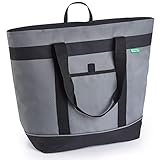
If you’re looking for a convenient way to keep drinks separate and easily accessible, an insulated cooler bag can be a great addition to your setup.
9. Drain meltwater strategically:
- What to do: Some people drain meltwater, others don’t. If you do, drain only a little at a time. The cold water can help keep things cool. Draining it all can let warm air in.
- What “good” looks like: You’ve made a conscious decision based on your trip length and ice type.
- Common mistake: Draining all the water immediately, especially with block ice.
10. Consider a cooler cover:
- What to do: Insulated cooler covers can add an extra layer of protection against heat.
- What “good” looks like: The cover fits snugly and adds noticeable insulation.
- Common mistake: Not realizing how much heat can radiate through the cooler walls.
Common mistakes (and what happens if you ignore them)
| Mistake | What it causes | Fix |
|---|---|---|
| Packing ice into a warm cooler | Rapid ice melt, lukewarm food | Pre-chill cooler overnight |
| Using only cubed ice | Ice melts quickly, food spoils faster | Use block ice or frozen water bottles |
| Leaving air gaps in the cooler | Warm air circulates, melts ice | Pack cooler full; use towels or extra ice to fill voids |
| Leaving cooler in direct sunlight | Cooler heats up, ice melts rapidly | Store in shade, cover with blanket |
| Frequent, prolonged cooler openings | Warm air enters, cold air escapes | Plan needs, open quickly, close immediately |
| Packing warm or room-temp food | Warms up cooler, melts ice, food safety risk | Pre-chill or freeze all contents |
| Not draining meltwater (or draining too much) | Can lead to less efficient cooling or spoilage | Monitor meltwater; drain minimally or not at all depending on conditions |
| Using a cheap, poorly insulated cooler | Ice melts fast, food spoils, need to buy ice | Invest in a quality cooler with good insulation |
| Not planning for ice replenishment | Running out of ice mid-trip | Bring extra ice, know where to buy more if needed |
| Not considering a drink-specific cooler | Frequent opening of main cooler, faster melt | Use a separate cooler for frequently accessed drinks |
Decision rules (simple if/then)
- If your trip is longer than two days, then use block ice because it melts much slower than cubes.
- If you are car camping and have space, then freeze gallon jugs of water to use as ice blocks because they provide cold water as they melt.
- If you are hiking in and weight is a concern, then consider freeze-dried meals and limit perishable items because they reduce the need for extensive cooling.
- If the ambient temperature is above 80°F, then double your ice supply because the heat will accelerate melting.
- If you plan to open the cooler frequently for drinks, then use a separate cooler for beverages because this minimizes opening your main food cooler.
- If you are using a cooler in a vehicle, then keep it out of direct sunlight or cover it because vehicle interiors can reach extreme temperatures.
- If you are unsure about ice availability at your destination, then bring all the ice you think you’ll need because it’s better to have too much than too little.
- If you have a high-quality, well-insulated cooler, then you can get away with slightly less ice because the insulation does a lot of the work.
- If you are concerned about food safety, then use a thermometer in your cooler to monitor temperatures, aiming to keep contents below 40°F.
- If you are camping in an area with limited access to resupply, then pack your cooler as densely as possible because air is the biggest enemy of ice retention.
- If you are using a cooler for a short day trip, then a pre-chilled cooler with a few bags of ice might be sufficient because the duration is short.
- If you notice significant meltwater pooling, then consider draining some of it if your ice is mostly gone and the water is no longer helping to keep things cold.
If you need a lightweight, portable option for day trips or frequently accessed items, an insulated cooler bag is a practical choice.
FAQ
How long can ice last in a cooler?
It varies wildly. A cheap cooler in hot sun might last a day. A high-end cooler packed right could keep ice for 5-7 days. It depends on the cooler’s insulation, how much ice you use, and how often you open it.
Should I drain the water from my cooler?
It’s a debate. Some say yes, to prevent food from getting soggy. Others say no, the cold water helps keep things chilled. If you use block ice, the cold water is a big help. If you have mostly cubes and it’s getting warm, draining might help.
What’s the difference between block ice and cubed ice for coolers?
Block ice has less surface area, so it melts much slower. Cubed ice melts fast but cools things down quickly. For longer trips, block ice is your best bet for sustained cold.
Can I put dry ice in my cooler?
Yes, but be careful. Dry ice is extremely cold (-109.3°F) and can freeze food solid. It also releases carbon dioxide gas, so use it in a well-ventilated area and wear gloves. Don’t seal a cooler with dry ice completely.
Does the color of my cooler matter?
Lighter colors reflect more heat than darker colors. So, a white or light-colored cooler will stay a bit cooler in the sun than a dark one.
How much ice do I need?
A general rule is a 2:1 ratio of ice to contents. So, if your cooler is 50 quarts, aim for about 25-30 pounds of ice. But more is always better if you have the space.
What about those expensive rotomolded coolers?
They are built tough and have superior insulation, meaning they keep ice much longer than standard coolers. They are an investment, but for serious campers, they can be worth it.
How do I keep my cooler cold in the car?
Keep it in the coolest part of the car, usually the floor. Cover it with a blanket or sleeping bag for extra insulation. Park in the shade whenever possible.
What this page does NOT cover (and where to go next)
- Specific cooler brands and their performance reviews. (Look for independent reviews and comparisons.)
- Advanced food preservation techniques beyond basic cooler management. (Research food safety guidelines.)
- Recipes for camping meals that require refrigeration. (Explore camping cookbooks or online resources.)
- Detailed instructions for building custom insulated ice chests. (Search DIY camping forums.)
- Legal regulations for transporting game meat or fish in coolers. (Check state wildlife agency regulations.)

Camping Bob has spent over 20 years camping across the US — from BLM dispersed sites in the Southwest to KOA campgrounds in the Pacific Northwest. He writes practical, no-nonsense guides to help fellow campers get outdoors with confidence.