
The Origin Story: How Devils Lake Got Its Name
Quick answer
- Devils Lake’s name comes from a Native American legend, not anything sinister.
- The original name was “M’de Wakan,” meaning “Spirit Water” or “Sacred Water.”
- Early settlers likely mistranslated or shortened this to “Devils Lake.”
- The lake is a stunning example of a terminal lake, meaning it has no outlet.
- It’s a prime spot for camping, fishing, and birdwatching in North Dakota.
- Respect the land and the history; it’s more than just a pretty place.
What to check first (do this before you drive out)
Before you pack the car and hit the road for Devils Lake, a little prep goes a long way. It keeps you safe, respects the environment, and ensures you have a good time.
- Land manager / legality: Who’s in charge here? Devils Lake and its surrounding areas are managed by a mix of agencies, including the North Dakota Parks and Recreation Department and the U.S. Army Corps of Engineers, plus private landowners. Know who you’re dealing with. This dictates rules, fees, and what’s allowed. Always check the official park or agency website for the latest info.
- Access/road conditions: Can your rig handle it? Some areas around Devils Lake are easily accessible by 2WD. Others, especially if you’re venturing off the beaten path for dispersed camping or prime fishing spots, might require higher clearance or 4WD. Check recent local reports if you can, especially after heavy rain or snow. Mud can be a real beast out there.
- Fire restrictions + weather + wind: This is non-negotiable. North Dakota can get dry, and fire danger is real. Check the current fire restrictions for the specific area you plan to visit. Also, look at the weather forecast. Devils Lake can get windy, and conditions can change fast. High winds can make boating and even setting up camp tricky.
- Water plan + waste plan (Leave No Trace): How are you handling water and trash? Devils Lake is a terminal lake, which means it has no outlet. This makes water quality management crucial. Bring plenty of potable water for drinking and cooking. Pack out everything you pack in, including all trash and food scraps. Leave No Trace principles are key to keeping this place pristine.
- Safety (wildlife, distance to help, comms): Be aware of your surroundings. Wildlife like deer, coyotes, and various birds are common. Keep a safe distance and never feed them. Know how far the nearest town or emergency services are. Cell service can be spotty, so consider a satellite communication device if you’re heading into more remote spots. Tell someone where you’re going and when you expect to be back.
Step-by-step (field workflow)
Alright, you’ve done your homework. Now, let’s get this campsite set up right.
1. Arrive and survey: Pull into your chosen spot. Take a look around.
- Good looks like: A level area, clear of dead trees or branches overhead, and with good drainage.
- Common mistake: Rushing in and picking the first flat spot without checking for hazards above or potential flooding. Always scan the trees.
2. Select your tent site: Find the best place for your shelter.
- Good looks like: A durable surface like a hardened tent pad or bare ground. Avoid setting up on fragile vegetation.
- Common mistake: Camping on soft grass or mossy areas. This damages the ground and can lead to a soggy night if it rains.
3. Set up your tent: Get your home away from home established.
- Good looks like: Stakes driven firmly into the ground at an angle, guy lines taut to keep the tent stable.
- Common mistake: Not staking down the tent properly, especially if wind is a factor. A flapping tent is annoying and can be damaged.
4. Organize your gear: Unpack and arrange your essentials.
- Good looks like: Food stored securely (bear bag or container if needed, though less critical here than in bear country), cooking gear accessible, sleeping bags unrolled to loft.
- Common mistake: Leaving food out in the open, attracting critters. Even small rodents can be a nuisance.
5. Establish your kitchen area: Designate a spot for cooking and eating.
- Good looks like: Away from your tent, on a level surface, with a windbreak if possible.
- Common mistake: Cooking right next to your tent. This can transfer food odors and attract animals to your sleeping area.
When establishing your kitchen area, consider a reliable camping stove for efficient meal preparation, keeping your cooking separate from your tent.
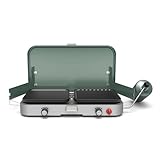
6. Set up your campfire (if permitted): If fires are allowed, build it safely.
- Good looks like: A designated fire ring, cleared of all flammable material for at least 10 feet around. Have water and a shovel nearby.
- Common mistake: Building a fire in an unsafe spot, like on dry grass or too close to trees. This is how wildfires start.
7. Water and waste management: Plan for hydration and sanitation.
- Good looks like: Potable water stored, and a designated cathole (6-8 inches deep, 200 feet from water) or established privy for human waste. Pack out toilet paper.
- Common mistake: Not having a solid water plan and relying on questionable sources, or burying waste too close to water.
8. Secure your campsite: Do a final sweep before relaxing.
- Good looks like: All gear stowed, fire pit managed, and no obvious hazards.
- Common mistake: Leaving valuable items visible in your vehicle or tent. It’s just good practice.
Common mistakes (and what happens if you ignore them)
| Mistake | What it causes | Fix |
|---|---|---|
| Ignoring fire restrictions | Fines, destruction of natural resources, potential wildfires, jail time. | Always check current restrictions before you go and obey them. |
| Improper food storage | Attracts wildlife (raccoons, skunks, rodents), potential damage to gear. | Use bear-resistant containers or hang food properly, away from camp. |
| Camping on fragile vegetation | Kills plants, creates bare spots, damages the ecosystem, can cause erosion. | Use established campsites or durable surfaces like bare ground or gravel. |
| Not checking road conditions | Getting stuck, vehicle damage, needing rescue, lost time. | Research local conditions, know your vehicle’s limits, and have recovery gear if necessary. |
| Leaving trash behind | Pollutes the environment, harms wildlife, makes the area look bad. | Pack it in, pack it out. All of it. Even tiny scraps. |
| Not having a reliable water source | Dehydration, heatstroke, potential illness from untreated water. | Carry enough potable water or have a reliable filtration/purification method. |
| Setting up camp too close to water | Contaminates water sources, disturbs riparian habitats, potential flooding. | Camp at least 200 feet from lakes and streams. |
| Ignoring weather forecasts | Exposure to extreme heat/cold, hypothermia, heatstroke, dangerous winds. | Check the forecast before and during your trip; be prepared to change plans. |
| Not informing someone of your plans | Delayed rescue if something goes wrong, increased risk. | Leave a detailed itinerary with a trusted contact. |
| Disregarding wildlife safety | Bites, scratches, disease transmission, habituation of animals. | Observe from a distance, never feed animals, store food securely. |
| Using unapproved fire pits | Spreading fires, damaging the ground, environmental impact. | Use designated fire rings only. If none exist, consider a portable stove. |
| Not respecting quiet hours/neighbors | Annoyance, conflict with other campers, potential ranger intervention. | Be mindful of noise levels, especially early morning and late evening. |
To avoid using unapproved fire pits, a portable camping stove is an excellent alternative for cooking, minimizing environmental impact.
Decision rules (simple if/then)
- If the fire danger is “high” or “very high,” then do not have a campfire because it’s a significant risk to the natural area.
- If you see wildlife, then maintain a safe distance and do not feed it because it’s unhealthy for the animal and dangerous for you.
- If the road ahead looks muddy or washed out, then turn around and find an alternative route or campsite because getting stuck is a major hassle.
- If cell service is weak, then consider using a satellite messenger for emergencies because you need reliable communication.
- If you plan to stay longer than a weekend, then bring extra water because you don’t want to run dry in a remote spot.
- If you’re unsure about regulations, then check the official land manager’s website or call their office because rules can change.
- If you packed it in, then pack it out, because Leave No Trace means leaving the area better than you found it.
- If you hear thunder, then seek shelter immediately because lightning is a serious threat.
- If you plan to fish, then make sure you have a valid North Dakota fishing license because it’s the law.
- If you are going to use a portable stove, then ensure it’s used in a well-ventilated area because carbon monoxide is odorless and deadly.
- If you are camping in a developed campground, then be aware of designated quiet hours because respecting neighbors enhances everyone’s experience.
If you are going to use a portable stove, ensure it’s used in a well-ventilated area, and a quality camping stove can make your outdoor cooking safe and enjoyable.
FAQ
How did Devils Lake get its name?
The name “Devils Lake” is believed to be a mistranslation or simplification of the original Dakota Sioux name, “M’de Wakan,” which means “Spirit Water” or “Sacred Water.” Early settlers likely misinterpreted the indigenous name.
Is Devils Lake a natural lake?
Yes, Devils Lake is a natural lake. It’s a terminal lake, meaning it has no outlet to the sea, and its water levels fluctuate based on rainfall and evaporation. It’s one of the largest natural prairie lakes in North Dakota.
What kind of fish are in Devils Lake?
Devils Lake is famous for its excellent fishing. You can find a variety of species, including walleye, northern pike, perch, white bass, and freshwater drum. It’s often called the “Perch Capital of the World.”
Are there bears at Devils Lake?
While black bears can be found in parts of North Dakota, they are not commonly associated with the Devils Lake area. However, it’s always wise to be aware of local wildlife, such as coyotes, raccoons, and deer. Proper food storage is always recommended.
Can you swim in Devils Lake?
Yes, swimming is generally permitted in Devils Lake. However, always be aware of local conditions, water quality advisories, and boat traffic. It’s a good idea to check with local authorities or park services for any specific warnings.
What are the camping options near Devils Lake?
You’ll find a range of camping options, from developed campgrounds with amenities like electrical hookups and restrooms to more primitive or dispersed camping spots. Many are managed by the state parks or the U.S. Army Corps of Engineers.
Is Devils Lake good for boating?
Absolutely. Devils Lake is a popular destination for boating, including fishing boats, pontoons, and recreational craft. The extensive shoreline and numerous bays offer plenty of exploration opportunities.
What is a terminal lake?
A terminal lake, like Devils Lake, is a lake that has no outflow. Water leaves it only through evaporation or seepage. This means minerals and salts can accumulate over time, affecting water chemistry.
What this page does NOT cover (and where to go next)
- Specific campsite reservation details and availability. (Check official park websites).
- In-depth fishing reports and techniques. (Look for local fishing guides and forums).
- Detailed historical accounts of Native American tribes in the region. (Consult historical societies and tribal archives).
- Advanced backcountry survival skills. (Seek out certified wilderness survival courses).
- Specific regulations on boating or watercraft operation. (Refer to state boating laws and regulations).

Camping Bob has spent over 20 years camping across the US — from BLM dispersed sites in the Southwest to KOA campgrounds in the Pacific Northwest. He writes practical, no-nonsense guides to help fellow campers get outdoors with confidence.