
Delicious Camping Meals: Easy Cooking Ideas
Quick answer
- Plan your meals before you go. Simple is best.
- Prep ingredients at home. Chop, measure, and pack smart.
- Invest in a good camp stove and fuel. Don’t rely on fires for everything.
- Master a few go-to recipes. Think one-pot wonders.
- Pack versatile spices and oils. Flavor is key.
- Clean as you go. Keeps critters away and makes life easier.
- Don’t forget coffee or tea. It’s a camping essential.
- Embrace the process. Cooking outdoors is part of the fun.
Investing in a reliable portable camping stove, like this one, will make all the difference in your outdoor cooking experience.
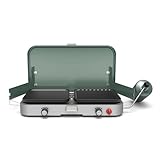
What to check first (do this before you drive out)
Before you even think about packing the cooler, get a handle on the basics. This saves you headaches and keeps you safe.
- Land manager / legality: Who’s in charge of where you’re headed? Is it National Forest, BLM land, a State Park, or private? Each has its own rules. Some areas might require permits or have specific camping regulations. A quick look at the managing agency’s website is your first move.
- Access/road conditions: How are you getting to your spot? Is the road paved, gravel, or just a dirt track? Do you need 4WD or high clearance? Mud, snow, or washouts can shut down access faster than you can say “flat tire.” Check recent reports if possible.
- Fire restrictions + weather + wind: This is a big one for cooking. Are campfires allowed? Are there any burn bans? Even if fires are okay, strong winds can make them dangerous and cook your food unevenly. Check the forecast for rain, temperature, and wind. Pack layers accordingly.
- Water plan + waste plan (Leave No Trace): How will you get water for cooking and cleaning? Are there potable sources, or do you need to filter/treat? What about trash and greywater? Plan to pack out everything you pack in, including food scraps. Leave No Trace principles are non-negotiable.
- Safety (wildlife, distance to help, comms): What wildlife is common in the area? Know how to store food properly to avoid unwanted visitors. How far is the nearest town or ranger station? What’s your cell service situation? Consider a satellite communicator for remote trips.
Step-by-step (field workflow)
Here’s how to get your grub on without a fuss.
1. Unpack your cooking gear: Get your stove, fuel, pots, pans, and utensils out.
- Good looks like: Everything is organized and within easy reach. Your cooking area is clear.
- Common mistake: Leaving essential items buried in the car or tent. Digging through everything when you’re hungry is a drag. Keep your cooking kit together.
When unpacking, ensure your portable camping stove is easily accessible for quick setup.
2. Set up your stove on a level surface: Stability is key.
- Good looks like: The stove is firm, not wobbly. The burner is centered under your pot.
- Common mistake: Placing the stove on uneven ground. This can lead to spills and uneven cooking, or worse, tipping over.
3. Prep your ingredients: If you didn’t do it all at home, now’s the time.
- Good looks like: All your veggies are chopped, meats are portioned, and spices are ready. Minimal fuss at the stove.
- Common mistake: Trying to chop a whole onion with a dull knife on a bumpy log. Prep at home saves time and reduces mess.
4. Light your stove and adjust the flame: Get that heat going.
- Good looks like: A steady, controlled flame that’s appropriate for what you’re cooking.
- Common mistake: Turning the flame too high and scorching your food, or too low and taking forever. Practice with your stove at home.
5. Add oil/fat to the pan: Get it hot, but not smoking.
- Good looks like: A shimmering layer of oil, ready to cook.
- Common mistake: Adding food to a cold pan or a pan that’s too hot. This leads to sticking or burning.
6. Add your main ingredients: Start with what needs the longest cooking time.
- Good looks like: Food is sizzling nicely, not overcrowding the pan.
- Common mistake: Dumping everything in at once. This steams food instead of searing it and lowers the pan temperature. Cook in batches if needed.
7. Stir and cook until done: Keep an eye on it.
- Good looks like: Food is cooked through, browned nicely, and smells amazing.
- Common mistake: Walking away and letting it burn. Camping cooking requires attention.
8. Season and taste: Adjust as you go.
- Good looks like: The flavors are balanced and delicious.
- Common mistake: Waiting until the very end to season. Flavors meld better when added earlier.
9. Serve your meal: Plate it up and enjoy.
- Good looks like: A hot, tasty meal ready to eat.
- Common mistake: Not having plates and utensils ready. scrambling for forks while your food gets cold.
10. Clean your cookware immediately: Don’t let food dry on.
- Good looks like: Pots and pans are rinsed or washed, ready for packing.
- Common mistake: Leaving dirty dishes out overnight. This attracts pests and makes cleaning harder later.
Common mistakes (and what happens if you ignore them)
| Mistake | What it causes | Fix |
|---|---|---|
| Not planning meals | Wasted food, boring meals, or going hungry. | Create a meal plan before you pack. |
| Not prepping ingredients at home | Time wasted chopping and measuring at camp, messy campsite. | Do all your chopping, dicing, and portioning at home. |
| Relying solely on campfire cooking | Inconsistent heat, difficult to control, potential fire ban issues. | Bring a reliable camp stove. Campfires are for ambiance and specific cooking methods. |
| Not bringing enough fuel | Stove runs out mid-meal, cold food, frustration. | Estimate your fuel needs and bring a little extra. |
| Overcrowding the pan | Food steams instead of searing, longer cooking times, uneven results. | Cook in batches if necessary. Give food space to breathe and brown. |
| Not cleaning as you go | Attracts wildlife, makes cleanup a chore, potential hygiene issues. | Wash dishes and wipe down surfaces immediately after cooking and eating. |
| Using dull knives | Difficult to cut, increased risk of injury, mangled ingredients. | Pack a sharp knife and a small cutting board. Or better yet, pre-cut everything at home. |
| Forgetting essential spices/oils | Bland food, lack of flavor, disappointment. | Pack a small, well-curated spice kit and a travel-size oil. |
| Not securing food from animals | Raccoons raiding your cooler, bears investigating your tent. | Use bear-resistant containers or hang food properly. Never store food in your tent. |
| Ignoring weather for cooking | Wind blowing out stove, rain making cooking impossible, burnt food. | Check forecasts and have a backup plan for windy or wet conditions. |
| Bringing too many complex ingredients | Requires too much prep and cooking time, potential for spoilage. | Stick to simple, versatile ingredients that require minimal handling. |
| Not having enough water for cooking/cleaning | Can’t rehydrate meals, can’t wash dishes, potential hygiene issues. | Know your water sources or pack enough. |
Decision rules (simple if/then)
- If you’re car camping and have a cooler, then bring pre-made marinated meats for easy grilling or pan-frying because they are flavorful and require minimal prep.
- If you’re backpacking, then focus on dehydrated or freeze-dried meals because they are lightweight and only require boiling water.
- If there’s a fire ban, then rely solely on your camp stove for all cooking because open flames are prohibited.
- If you have limited cooking time, then choose one-pot meals like pasta or chili because they minimize cleanup and cooking steps.
- If you’re cooking for a group, then plan meals that can be easily scaled up and served family-style because it simplifies serving.
- If you anticipate cold weather, then pack hearty, high-calorie meals like stews or oatmeal because your body burns more energy to stay warm.
- If you have access to potable water, then you can plan for more elaborate meals that require boiling or rinsing because you don’t need to carry all your water.
- If you’re camping near water, then consider bringing a small grill grate to cook over coals (if allowed) because it adds a nice smoky flavor.
- If you’re unsure about cooking facilities, then pack a reliable, portable camp stove and fuel because it’s your most versatile cooking tool.
- If you’re cooking in bear country, then plan to cook and eat away from your sleeping area and store all food and scented items securely because it minimizes attracting wildlife.
- If you have a limited budget, then opt for pasta, rice, beans, and canned goods because they are inexpensive and versatile staples.
- If you want to minimize waste, then choose meals with minimal packaging and pack reusable containers because it aligns with Leave No Trace principles.
If you’re unsure about cooking facilities, then pack a reliable portable camping stove and fuel because it’s your most versatile cooking tool.
FAQ
Q: What’s the easiest way to cook when camping?
A: One-pot meals are your best friend. Think pasta dishes, chili, or stir-fries. They minimize dishes and simplify the cooking process.
Q: How do I keep my food from spoiling?
A: Use a good cooler with plenty of ice or ice packs. Pre-chill everything before packing. For longer trips without a cooler, focus on non-perishable items like canned goods, dried fruits, and nuts.
Q: Do I really need a camp stove?
A: Yes, for most situations. While campfires are fun, they’re not always reliable or permitted. A stove offers consistent heat and control, making cooking much easier.
A good portable camping stove offers consistent heat and control, making cooking much easier than relying solely on campfires.
Q: What are some good camping breakfast ideas?
A: Oatmeal with fruit and nuts, breakfast burritos (pre-scrambled eggs and sausage), or even just some granola and yogurt if you’re keeping it simple. Coffee is non-negotiable, of course.
Q: How much fuel do I need for my camp stove?
A: It depends on the stove type, how long you’ll be cooking, and the weather. A good rule of thumb is to estimate your daily needs and bring an extra 50%.
Q: What’s the deal with food storage in bear country?
A: You must store all food, trash, and scented items in a bear-resistant container or hang them properly from a tree. Never store them in your tent.
Q: How can I make my camp meals more exciting?
A: Pack a few key spices and sauces. Marinate meats at home. Bring a fresh herb or two if you can keep it alive. Simple additions make a big difference.
Q: What if I forget an ingredient?
A: Improvise! Camp cooking is about adaptability. See what you have and get creative. Sometimes the best meals come from necessity.
Q: Is it okay to wash dishes in a lake or stream?
A: No. Pack out all your dishwater and dispose of it properly away from water sources, at least 200 feet. Use biodegradable soap sparingly if you must.
What this page does NOT cover (and where to go next)
- Specific campsite cooking equipment reviews. (Look for gear guides.)
- Advanced gourmet camp cooking techniques. (Explore specialized cookbooks or blogs.)
- Detailed nutritional planning for multi-week expeditions. (Consult outdoor nutrition resources.)
- Recipes for specific dietary restrictions (e.g., gluten-free, vegan). (Search for those specific keywords.)
- Local regulations for hunting or fishing for camp meals. (Check with local wildlife agencies.)
- The art of Dutch oven baking. (This is a whole skill set on its own.)

Camping Bob has spent over 20 years camping across the US — from BLM dispersed sites in the Southwest to KOA campgrounds in the Pacific Northwest. He writes practical, no-nonsense guides to help fellow campers get outdoors with confidence.