
The Classic Campfire Treat: How to Make Perfect S’mores
Quick answer
- Gather graham crackers, chocolate bars, and marshmallows.
- Find a safe, established fire pit.
- Toast your marshmallow to golden brown perfection.
- Assemble your s’more quickly before the marshmallow cools.
- Enjoy the gooey goodness.
What to check first (do this before you drive out)
Before you even think about graham crackers, let’s cover the essentials. A good time starts with good prep.
- Fire Restrictions & Weather: This is non-negotiable. Check the local land manager’s website (like USFS, BLM, or state parks) for current fire bans. Seriously, don’t be that person. Also, check the weather forecast. Wind and rain can turn a cozy campfire into a soggy mess.
- Access & Road Conditions: Know how you’re getting there. Is the road paved or is it a dirt track? Will your sedan make it, or do you need something with higher clearance or 4WD? Mud, snow, or washouts can shut down access fast.
- Water & Waste Plan: You’ll need water to douse the fire completely. Bring plenty. For waste, pack it in, pack it out. That includes all your s’more wrappers and any other trash. Leave No Trace principles are key.
- Safety: Let someone know where you’re going and when you expect to be back. Cell service can be spotty, so don’t rely on it. Be aware of your surroundings – wildlife is part of the experience, but give them space.
Step-by-step (field workflow)
Here’s how to nail the s’more, from fire to finish.
1. Build a Safe Fire:
- What to do: Use an established fire ring or pit. Clear away any flammable material (leaves, dry grass) for at least 10 feet around it.
- What “good” looks like: A contained fire that’s not spreading outwards.
- Common mistake: Building a fire too close to trees or dry brush. Avoid this by giving your fire plenty of breathing room.
2. Gather Your Gear:
- What to do: Have your graham crackers, chocolate bars (broken into sections), and marshmallows ready. Don’t forget roasting sticks.
- What “good” looks like: Everything organized and within easy reach of the fire.
- Common mistake: Realizing you forgot the chocolate halfway through. Pack it all together.
Consider investing in a good set of marshmallow roasting sticks to keep your hands safe and your marshmallows perfectly toasted.
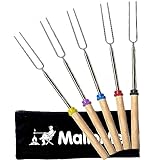
Don’t forget to pack classic Hershey chocolate bars for that authentic s’mores experience.

For the best s’mores, make sure you have a fresh bag of fluffy marshmallows ready to go.

3. Get Your Fire to Roasting Stage:
- What to do: Let the main flames die down to glowing embers. This is your sweet spot for roasting.
- What “good” looks like: Coals that are hot and consistent, not flaming wildly.
- Common mistake: Trying to roast over roaring flames. You’ll just char the outside and leave the inside cold. Patience, grasshopper.
4. Prepare Your Base:
- What to do: Break graham crackers in half and place a piece of chocolate on one half.
- What “good” looks like: A ready-made foundation for your toasted marshmallow.
- Common mistake: Waiting until the marshmallow is done to prep. The marshmallow will cool and harden.
5. Skewer Your Marshmallow:
- What to do: Carefully slide a marshmallow onto your roasting stick. Don’t overcrowd the stick.
- What “good” looks like: A single marshmallow securely on the stick, ready for the heat.
- Common mistake: Trying to roast two marshmallows at once. They’ll likely fall off or cook unevenly.
6. The Roast:
- What to do: Hold the marshmallow over the glowing embers, rotating slowly and steadily.
- What “good” looks like: A uniformly golden-brown, slightly puffed marshmallow.
- Common mistake: Holding it too close and igniting it into a flaming torch. Pull it back a bit and keep rotating.
7. The Perfect Toast:
- What to do: Aim for that perfect balance of toasted exterior and gooey, melted interior.
- What “good” looks like: A marshmallow that’s warm all the way through, with a delicious toasted flavor.
- Common mistake: Settling for a burnt, blackened shell. You want flavor, not charcoal.
8. The Assembly:
- What to do: Once your marshmallow is perfectly toasted, slide it off the stick and place it on top of the chocolate on your graham cracker base.
- What “good” looks like: A perfectly toasted marshmallow nestled on chocolate.
- Common mistake: Dropping the marshmallow or letting it fall off the stick. Be gentle.
9. The Squeeze:
- What to do: Immediately place the other graham cracker half on top and gently press down, squeezing the marshmallow and chocolate together.
- What “good” looks like: A perfectly formed s’more with melted chocolate oozing slightly.
- Common mistake: Waiting too long. The marshmallow will cool and won’t melt the chocolate effectively.
10. Enjoy!
- What to do: Eat your masterpiece.
- What “good” looks like: Pure, unadulterated s’more bliss.
- Common mistake: Not eating it fast enough. It’s a race against cooling goo.
11. Fire Safety Check:
- What to do: Before leaving your campsite, ensure the fire is completely out. Douse with water, stir the ashes, and douse again until it’s cold to the touch.
- What “good” looks like: Cold, dead ashes. No smoldering.
- Common mistake: Leaving a fire that’s still smoldering. This is a major fire hazard and can reignite.
Common mistakes (and what happens if you ignore them)
| Mistake | What it causes | Fix |
|---|---|---|
| Ignoring fire restrictions | Fines, wildfires, destruction of natural areas | Always check local regulations before lighting any fire. |
| Roasting over high flames | Burnt exterior, cold interior, lost marshmallow | Wait for glowing embers for even heat and controlled toasting. |
| Not preparing the graham cracker base | Dropped marshmallow, melted chocolate, cold s’more | Assemble your base <em>before</em> you start roasting. |
| Over-rotating or not rotating enough | Uneven toasting, burnt spots, raw marshmallow | Slow, steady rotation over embers is the key to perfection. |
| Forgetting to pack key ingredients | Disappointment, no s’mores | Double-check your packing list; s’mores aren’t self-making. |
| Not securing the marshmallow on the stick | Marshmallow loss, potential fire hazard | Skewer firmly but gently; don’t try to cram too many on one stick. |
| Leaving a fire smoldering | Wildfire, ecological damage, legal trouble | Douse, stir, and feel for cold. No excuses. |
| Not packing out trash | Littered campsite, negative impact on wildlife and aesthetics | Pack out everything you pack in, including wrappers. |
| Driving on unmaintained roads unprepared | Stuck vehicle, expensive repairs, missed camping trip | Know your vehicle’s capabilities and road conditions beforehand. |
| Assuming cell service is available | Inability to call for help in an emergency | Download offline maps and inform someone of your plans. |
Decision rules (simple if/then)
- If fire restrictions are in place, then do not build a fire because it’s illegal and dangerous.
- If the weather forecast calls for high winds, then reconsider your campfire plans because it’s a wildfire risk.
- If you are unsure about road conditions, then check with the land manager or local rangers because getting stuck is no fun.
- If you see wildlife, then keep a safe distance and do not feed them because it’s bad for them and potentially dangerous for you.
- If you are using a new roasting stick, then test its stability before putting on a marshmallow because you don’t want it to fall off.
- If your marshmallow catches fire, then pull it away from the flames immediately and blow gently because you can still salvage it.
- If you are camping in bear country, then store your food and s’more supplies properly because bears love sweets too.
- If you are finished with your campfire, then ensure it is completely cold to the touch before leaving because safety first.
- If you have limited water, then plan your s’more-making around a safe and easily extinguished fire because water is precious.
- If you are unsure of your location, then use a GPS device or offline map because getting lost is a quick way to ruin a trip.
- If the ground is very dry, then be extra cautious with your fire and ensure a wide clearance because embers can travel.
FAQ
How do you make a s’more without a campfire?
You can use a gas stove, a charcoal grill, or even a kitchen broiler for a quick fix. Just be careful with the heat and watch it closely.
What’s the best way to toast a marshmallow for a s’more?
Slow and steady wins the race. Rotate your marshmallow over glowing embers, not flames, until it’s golden brown and gooey.
Can I use different types of chocolate?
Absolutely. While milk chocolate is classic, dark chocolate, peanut butter cups, or even caramel-filled chocolates can add a delicious twist.
What if my marshmallow catches fire?
Don’t panic. Pull it away from the flames and blow gently. A little char can add flavor, but a burnt marshmallow is just bitter.
How do I avoid getting sticky fingers?
Use a long roasting stick and assemble your s’more carefully. Some people even use two graham crackers to sandwich the marshmallow, avoiding direct hand contact.
What’s the secret to a perfectly melted chocolate?
The heat from the toasted marshmallow is key. Assemble your s’more quickly after toasting to let the marshmallow melt the chocolate as you squeeze.
Are there any special roasting sticks recommended?
Long metal or wooden skewers work well. Just make sure they’re long enough to keep you a safe distance from the heat. Avoid plastic.
What if I don’t have graham crackers?
You can get creative! Chocolate chip cookies, digestive biscuits, or even shortbread can work as a base in a pinch.
What this page does NOT cover (and where to go next)
- Advanced campfire cooking techniques (beyond s’mores).
- Specific campsite reservation systems or fees.
- Detailed regulations on campfires in specific national parks or forests.
- Advanced wilderness survival skills.
Next, you might want to look into planning your next camping trip, learning about Leave No Trace principles in more detail, or exploring other easy campfire recipes.