
Quickly Deflating Your Inflatable Bed
Quick answer
- Find the deflation valve. It’s usually a different type than the inflation valve.
- Open the valve fully. Some have a twist-off cap, others a push-button release.
- Roll from the opposite end. Start at the foot or head and push air out as you roll.
- Press down as you roll. This forces more air out and makes it more compact.
- Fold it up. Once rolled, fold it into its storage bag.
- Store it dry. Keep it out of direct sun and moisture.
What to check first (do this before you drive out)
Before you even think about packing up camp, a quick check of your inflatable bed’s deflation system is smart. It’s a small thing, but it can save you a lot of hassle when you’re ready to hit the road.
The Valve: Most inflatable beds have two valves: one for blowing up, and one for letting the air out. The deflation valve is often larger or has a different mechanism. Make sure you know which is which. Sometimes they’re labeled, sometimes you just gotta look.
The Mechanism: Once you’ve found the deflation valve, give it a quick test. Does it open smoothly? Is there a cap to unscrew or a tab to press? Knowing this beforehand prevents fumbling around when you’re tired and the mosquitoes are feasting.
The Material: Give the bed a quick once-over for any obvious leaks or damage. A small puncture might not matter much when it’s inflated, but it can make deflating harder if air is escaping elsewhere.
The Bag: Most inflatable beds come with a stuff sack. Check that it’s intact and ready to go. A ripped bag is just another thing to deal with.
Step-by-step (field workflow)
Okay, camp’s almost packed. Time to get that air mattress ready for its nap in the bag.
1. Locate the deflation valve. This is the most crucial first step. It’s usually on the opposite side or a different style than the inflation valve.
- Good: You can easily spot and reach the valve.
- Mistake: Grabbing the inflation valve and wondering why nothing’s happening. Always double-check.
2. Open the deflation valve completely. Depending on the design, this might involve unscrewing a cap, flipping a lever, or pressing a button.
- Good: The valve opens wide, allowing maximum airflow.
- Mistake: Only partially opening the valve. This slows deflation significantly.
3. Start rolling from the opposite end of the valve. Begin at the foot or head of the bed, pushing the air towards the open valve.
- Good: You’re creating a tight roll, pushing air out effectively.
- Mistake: Rolling from the valve end. This just compacts the air inside.
4. Apply steady pressure as you roll. Keep the roll tight and consistent. Use your body weight if needed.
- Good: You see the bed visibly shrinking as you roll.
- Mistake: Rolling loosely. Air will just seep back in or escape slowly.
5. Continue rolling until you reach the valve. This should force out almost all the air.
- Good: The bed is now a flat, deflated mat.
- Mistake: Stopping too early, leaving a bulky, semi-inflated mess.
6. Press down on the rolled bed. Once rolled, give it a good press to squeeze out any remaining stubborn air pockets.
- Good: You’ve squeezed out the last bit of air.
- Mistake: Skipping this step and ending up with a puffy bed that won’t fit in its bag.
7. Fold the bed. Fold it in half, then in half again, or however is most efficient for your bag.
- Good: You have a compact bundle ready for stuffing.
- Mistake: Trying to force a poorly folded bed into its sack.
8. Stuff it into the storage bag. Gently push and maneuver the folded bed into its designated bag.
- Good: The bed slides in easily, with room to spare.
- Mistake: Ripping the bag or struggling to cram it in. This means you didn’t deflate it enough.
9. Secure the bag. Close the drawstring or zip the bag shut.
- Good: The bag is closed and ready for transport.
- Mistake: Leaving the bag open, allowing the bed to potentially expand or get dirty.
Common mistakes (and what happens if you ignore them)
| Mistake | What it causes | Fix |
|---|---|---|
| Not finding the right deflation valve | Slow, frustrating deflation; wasted time and energy | Always visually confirm you’re using the correct valve. |
| Not opening the valve fully | Air escapes slowly, making packing take much longer | Ensure the valve is completely open before you start rolling. |
| Rolling from the wrong end | Air gets trapped, leaving the bed bulky and hard to manage | Always start rolling from the end opposite the deflation valve. |
| Rolling too loosely | Air escapes inefficiently, and the bed remains puffy | Maintain consistent, firm pressure while rolling. |
| Skipping the final press/squeeze | Residual air makes the bed difficult to fit into its storage bag | After rolling, press down firmly on the entire length of the rolled bed. |
| Forcing a poorly folded bed into its bag | Ripped bag, damaged bed, or a bed that won’t fit later | Fold the deflated bed neatly and logically before stuffing it into the bag. |
| Storing the bed while still damp or dirty | Mold, mildew, and fabric degradation, leading to a shorter lifespan | Ensure the bed is completely dry and reasonably clean before storing. |
| Over-stuffing the storage bag | Strains the bag seams, potentially causing tears or damage to the bed | Don’t force it. If it’s a struggle, you likely didn’t deflate it enough or fold it properly. |
| Using the wrong tool to open a valve | Damaged valve, making future inflation/deflation difficult or impossible | Use your hands or the intended mechanism. Avoid sharp objects. |
| Deflating in a wet or muddy area | Bed picks up moisture and dirt, leading to storage issues and potential damage | Choose a clean, dry spot for deflation and packing. |
Decision rules (simple if/then)
- If the deflation valve has a cap, then twist it off completely because it’s designed to open fully.
- If you can’t find a dedicated deflation valve, then check for a larger opening or a different mechanism on the main valve because some designs integrate both functions.
- If the bed isn’t deflating quickly, then check if the valve is fully open and if you’re rolling tightly because trapped air is the usual culprit.
- If you’re in a hurry, then start rolling immediately after opening the valve because every second counts when you’re trying to beat the sunset.
- If the bed feels stubborn and won’t compact, then try unrolling it slightly and rerolling tighter because you might have missed a pocket of air.
- If the storage bag seems too small, then you probably didn’t deflate it enough or fold it efficiently because the bag is designed to fit the fully deflated bed.
- If you notice any small holes while deflating, then make a mental note to patch them later because a small leak now can be a bigger problem down the line.
- If you’re camping in cold weather, then deflation might be a bit slower because cold air is denser, but the process is the same.
- If you’re camping in high winds, then try to find a sheltered spot to deflate because the bed can act like a sail and blow away.
- If you’re packing up a queen-size or larger bed, then you might need a bit more space to roll it out, so plan accordingly.
- If you’re using an electric pump for deflation (some have this feature), then ensure the nozzle is securely attached to the deflation port.
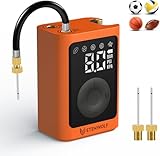
If you’re using an electric pump for deflation (some have this feature), then ensure the nozzle is securely attached to the deflation port. Consider an electric air pump for quick and efficient deflation.
FAQ
How do I know which valve is for deflation?
Usually, the deflation valve is larger, has a different shape, or operates differently (like a push-button release) than the inflation valve. Sometimes it’s even a separate port entirely.
What if my bed doesn’t have a separate deflation valve?
Many beds use a single valve with a mechanism to switch between inflation and deflation. Look for a way to open the valve fully, often by removing an inner stopper or twisting a part of the valve.
Can I just leave the valve open and let it deflate on its own?
You can, but it’s much slower and less efficient. Rolling the bed actively pushes the air out, making it much more compact for storage.
My bed is still puffy after rolling. What did I do wrong?
You likely didn’t roll it tightly enough or didn’t get all the air out before starting. Try unrolling it and rerolling with more pressure, and make sure to do that final squeeze.
Is it okay to store my inflatable bed slightly damp?
No, it’s not ideal. Dampness can lead to mold and mildew, which can damage the fabric and create unpleasant odors. Always ensure it’s completely dry.
How should I store my inflatable bed long-term?
Store it loosely rolled or folded in its original bag in a cool, dry place, away from direct sunlight and extreme temperatures. Avoid storing heavy items on top of it.
What if the valve feels stuck?
Try gently wiggling it or applying a bit more pressure if it’s a push-button type. If it’s a screw-off cap, ensure you’re turning it the correct direction. Avoid forcing it too hard, which could cause damage.
Can I use my vacuum cleaner to deflate it?
Some electric pumps have a reverse function for deflation, which works like a vacuum. However, be cautious with standard household vacuums; ensure the nozzle fits securely and doesn’t damage the valve.
Some electric pumps have a reverse function for deflation, which works like a vacuum. An electric air pump can make the deflation process much faster and easier.
What this page does NOT cover (and where to go next)
- Specific troubleshooting for individual brand defects. (Check your product manual or manufacturer’s website.)
- Repairing major punctures or seam leaks. (Look for patching kits and repair guides.)
- Choosing the best inflatable mattress for your needs. (Research camping gear reviews.)
- Advanced packing techniques for maximizing backpack space. (Explore ultralight camping resources.)
- The science behind air pressure and temperature effects on inflatables. (Consult physics resources.)

Camping Bob has spent over 20 years camping across the US — from BLM dispersed sites in the Southwest to KOA campgrounds in the Pacific Northwest. He writes practical, no-nonsense guides to help fellow campers get outdoors with confidence.