
Protecting Your Dog from Flies Outdoors
Quick answer
- Keep your dog cool and clean. Flies love heat and grime.
- Use a dog-specific repellent, but check ingredients.
- Provide shade and fresh water constantly.
- Consider physical barriers like screens or fly masks.
- Groom your dog regularly, especially after outdoor play.
- Be mindful of feeding times and secure food scraps.
What to check first (do this before you drive out)
Before you and your furry co-pilot hit the trails or set up camp, a little prep goes a long way in keeping those pesky flies from turning your adventure into a doggy dermatitis disaster.
- Land manager / legality: Who’s in charge here? Is it National Forest, BLM land, a State Park, or private? Rules can change. Some places have specific pet policies or areas where dogs aren’t allowed. Always check the official website or call ahead. It’s usually pretty straightforward, but you don’t want to get a surprise fine.
- Access/road conditions: Can your rig handle the road? Is it paved all the way, or are you looking at gravel, mud, or washboard? Check recent reports if possible. A good set of tires and decent clearance are your friends. Don’t be the guy stuck in a ditch because you didn’t check the conditions.
- Fire restrictions + weather + wind: This is huge. Fire bans are common, especially in dry seasons. Check the local fire danger level. Weather can change fast in the outdoors. High winds can be miserable and make fire impossible. And, of course, extreme heat is dangerous for dogs.
- Water plan + waste plan (Leave No Trace): Bring more water than you think you’ll need, for both you and the dog. And plan how you’ll pack out all waste, including dog poop. Leave No Trace principles are non-negotiable. Nobody wants to step in a mess.
- Safety (wildlife, distance to help, comms): Know what wildlife is in the area and how to react. How far is the nearest vet or ranger station? Do you have cell service? Consider a satellite messenger for remote trips. Being prepared means you can handle the unexpected.
Step-by-step (field workflow)
Getting out there with your dog is the best. Here’s how to manage the fly situation once you’re at your campsite or trailhead.
1. Set up your dog’s zone:
- What to do: Designate a cool, shady spot for your dog. This could be under a canopy, a tarp, or a natural tree line.
- What “good” looks like: Your dog can lie down comfortably without direct sun and has easy access to water.
- Common mistake: Leaving your dog in direct sun for extended periods. This is dangerous and attracts more flies.
2. Provide constant water access:
- What to do: Keep a full, clean water bowl accessible at all times. Refill or refresh it often.
- What “good” looks like: Water is always available, not murky, and the bowl isn’t tipped over.
- Common mistake: Forgetting to bring enough water or leaving the bowl in a spot where it gets filled with dirt or debris.
3. Apply dog-specific repellent:
- What to do: Use a repellent formulated specifically for dogs. Read the label carefully. Avoid products containing DEET or permethrin, which can be toxic to pets.
- What “good” looks like: Your dog is comfortable, not scratching excessively, and the repellent is applied according to directions.
- Common mistake: Using human repellent on your dog, which can cause severe reactions.
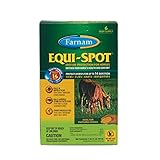
For an effective solution, consider a dog fly repellent spray specifically formulated for pets. Always check the ingredients to ensure it’s safe for your furry friend.
4. Groom your dog regularly:
- What to do: Brush your dog, especially after playing. Pay attention to ears, tail, and any areas where dirt and moisture can accumulate.
- What “good” looks like: Your dog’s coat is relatively clean and free of burrs, mud, or debris that flies are attracted to.
- Common mistake: Not grooming after activities, leaving wet, dirty fur that becomes a fly magnet.
5. Manage feeding and food scraps:
- What to do: Feed your dog during cooler parts of the day if possible. Secure all food scraps immediately in sealed bags or containers.
- What “good” looks like: No food is left out, and your dog finishes meals promptly.
- Common mistake: Leaving dog food or human food scraps exposed, which attracts flies in droves.
6. Monitor for fly bites and irritation:
- What to do: Periodically check your dog’s skin, ears, and eyes for signs of bites, swelling, or excessive scratching.
- What “good” looks like: You catch any irritation early and can address it.
- Common mistake: Ignoring signs of discomfort, which can lead to secondary infections.
7. Consider physical barriers:
- What to do: For severe fly issues, a dog-specific fly mask or a screened-in tent or crate can offer protection.
- What “good” looks like: Your dog tolerates the mask or barrier and finds relief from the flies.
- Common mistake: Forcing a fly mask on a dog that clearly hates it, causing more stress than relief.
When flies are particularly bothersome, a dog fly mask can provide an excellent physical barrier, protecting your dog’s sensitive face and eyes.

8. Clean up dog waste promptly:
- What to do: Pick up and pack out your dog’s waste immediately. Dispose of it properly in designated receptacles or in sealed bags.
- What “good” looks like: The campsite is clean, and there are no dog waste piles attracting flies.
- Common mistake: Leaving dog waste lying around, creating a breeding ground and a major fly attraction.
Common mistakes (and what happens if you ignore them)
| Mistake | What it causes | Fix |
|---|---|---|
| Using human insect repellent on dogs | Toxic reactions, neurological issues, skin irritation, potential death. | Always use products specifically labeled for dogs. Consult your vet if unsure. |
| Leaving dogs in direct sun | Heatstroke, dehydration, severe sunburn, increased fly attraction. | Provide constant shade and ventilation. Monitor your dog for signs of overheating. |
| Not providing enough fresh water | Dehydration, heat exhaustion, kidney problems. | Carry more water than you think you’ll need. Use collapsible bowls. |
| Leaving food scraps exposed | Massive fly infestations, attracting other pests, potential for dogs to eat something bad. | Store all food, including dog food and scraps, in airtight containers. Clean up immediately after meals. |
| Ignoring signs of fly bites/irritation | Skin infections, hot spots, severe itching, discomfort, potential for flystrike. | Regularly inspect your dog’s skin and ears. Treat any bites or irritation promptly. |
| Not grooming after outdoor activities | Matted fur, trapped dirt and moisture, creating ideal fly breeding grounds. | Brush your dog after hikes or play. Pay attention to ears, tail, and underarms. |
| Relying solely on sprays | Sprays wear off, might not be fully effective, potential for toxic ingredients. | Use a multi-pronged approach: shade, water, grooming, physical barriers, and appropriate repellents. |
| Not cleaning up dog waste promptly | Attracts flies, other insects, and can spread disease. | Pack out all dog waste. Keep waste bags sealed and dispose of them properly. |
| Assuming all “natural” repellents are safe | Some natural ingredients can still be irritating or toxic to dogs. | Research ingredients thoroughly. When in doubt, stick to vet-approved products. |
| Not considering the dog’s tolerance | Stress, anxiety, and aversion to gear like fly masks or certain repellents. | Introduce any new gear slowly and positively. Observe your dog’s comfort level. |
Decision rules (simple if/then)
- If your dog is scratching excessively, then check for fly bites or skin irritation because flies can cause painful welts.
- If the temperature is above 75°F, then ensure your dog has access to shade and plenty of water because heat and flies are a double threat.
- If you’re camping in an area known for biting flies, then pack a dog-specific fly mask and repellent because prevention is key.
- If your dog has long fur or is prone to matting, then groom them more frequently, especially after wet or muddy activities, because clean, dry fur is less attractive to flies.
- If you see flies congregating around your dog’s eyes or ears, then use a vet-approved eye wash or ear cleaner and consider a fly mask because these areas are sensitive.
- If you’re preparing food outdoors, then secure your dog’s food and your own, and clean up all scraps immediately because food waste is a major fly attractant.
- If your dog has a history of skin sensitivities, then consult your veterinarian before using any new repellents or treatments because they can advise on safe options.
- If you’re in a high-fly season and your dog seems constantly bothered, then consider shorter trips or focusing on activities during dawn and dusk because flies are often less active then.
- If you notice flies landing on open wounds or sores, then clean the wound and cover it if possible, and apply a pet-safe wound protectant because flies can spread infection.
- If you’re packing out all your trash, then make sure dog waste bags are sealed tightly because even residual odors can attract flies.
- If your dog is showing signs of distress like excessive panting or lethargy, then stop all activity and focus on cooling them down, as flies can exacerbate heat-related issues.
FAQ
Q: What’s the best way to keep flies off my dog at a campsite?
A: Focus on shade, constant fresh water, and keeping your dog clean. A dog-specific repellent can also help, but it’s not a silver bullet.
Q: Can I use the same bug spray I use on myself for my dog?
A: Absolutely not. Many human insect repellents contain ingredients toxic to dogs. Always use products made specifically for pets.
Instead of human bug spray, opt for a dog fly repellent spray designed for canine use to keep your pet safe from harmful chemicals.
Q: My dog hates wearing a fly mask. What else can I do?
A: Try to create a shaded, comfortable resting area. Regular grooming and prompt cleanup of any messes can also reduce fly attraction.
If your dog is sensitive to sprays or you need a non-chemical option, a dog fly mask can be a great alternative for continuous protection.
Q: Are there natural remedies that work for keeping flies off dogs?
A: Some essential oils are used in pet-safe products, but always research thoroughly and use with caution, as some oils are toxic. Vet-approved products are generally the safest bet.
Q: How often should I reapply dog repellent?
A: Follow the product instructions. Generally, repellents need reapplication every few hours, especially if your dog gets wet or is very active.
Q: What if my dog gets a lot of fly bites?
A: Check for swelling or irritation. Clean the area gently. If it looks bad or your dog is in distress, consult a vet.
Q: Does the type of campsite matter for fly problems?
A: Yes. Areas near water, stagnant pools, or where there’s a lot of decaying organic matter tend to have more flies. Open, breezy areas are usually better.
Q: Should I worry about flies when my dog is in the car?
A: Flies can still get into cars, especially if windows are open. It’s a good idea to keep windows cracked just enough for ventilation but not so much that flies can easily get in.
Q: What are “hot spots” and can flies cause them?
A: Hot spots are areas of inflamed, moist skin that can be caused by allergies, insect bites, or irritation. Flies can worsen existing hot spots by biting or irritating the area.
What this page does NOT cover (and where to go next)
- Specific product recommendations for repellents or fly masks. (Next: Consult your veterinarian or trusted pet supply store.)
- Detailed treatment plans for severe skin infections or flystrike. (Next: See your veterinarian immediately for diagnosis and treatment.)
- Identification of specific fly species and their behaviors. (Next: Research local entomology resources or wildlife guides.)
- Advanced wilderness first aid for pets. (Next: Consider taking a pet first aid and CPR course.)
- Legal regulations regarding pets in specific outdoor areas. (Next: Check the official website for the land management agency.)

Camping Bob has spent over 20 years camping across the US — from BLM dispersed sites in the Southwest to KOA campgrounds in the Pacific Northwest. He writes practical, no-nonsense guides to help fellow campers get outdoors with confidence.