
Protect Your Breakfast: How to Pack Eggs for Camping Trips
Quick answer
- Use a dedicated egg carrier or a sturdy, crush-proof container.
- Pack eggs in the middle of your cooler, surrounded by other items.
- Consider pre-cracking eggs into a leak-proof bottle or container.
- Keep your cooler as cold as possible and minimize opening it.
- Check weather forecasts for extreme heat or cold that could affect eggs.
- Always practice Leave No Trace principles with eggshells and waste.
What to check first (do this before you drive out)
Before you even think about packing those precious eggs, let’s cover the essentials. This isn’t just about breakfast; it’s about safety and a good time.
- Land manager / legality: Who’s in charge of where you’re going? Is it National Forest, BLM land, a State Park, or private property? Each has its own set of rules, especially concerning campfires and waste disposal. Know who manages the land and check their website for any specific regulations. It keeps you out of trouble and respects the place.
- Access/road conditions: Can your rig actually get there? Some dirt roads are fine for a Subaru, others need serious 4WD and high clearance. Check recent reports if you can, especially if you’re heading out after rain or snow. Getting stuck miles from anywhere is a bad start to any trip.
- Fire restrictions + weather + wind: This is huge. Fire bans are common, and for good reason. Check the current fire danger level and any burn bans. Also, look at the weather forecast. Extreme heat can spoil your food faster, and high winds can make campfires dangerous or impossible.
- Water plan + waste plan (Leave No Trace): You need water for drinking, cooking, and cleaning. Know your sources and have a plan to purify it. Just as important: pack it in, pack it out. This includes all food scraps, packaging, and especially eggshells. Leave your campsite cleaner than you found it.
- Safety (wildlife, distance to help, comms): Be aware of local wildlife. Store food properly to avoid attracting unwanted guests. Know how far the nearest ranger station or town is. Cell service is often spotty or non-existent. Consider a satellite messenger for emergencies.
Step-by-step (field workflow)
Alright, let’s get those eggs packed right. This process ensures they make it to the pan, not the trash.
1. Choose your egg container.
- What to do: Select a container that protects the eggs. This could be a commercial egg carrier designed for camping, or a sturdy plastic container with a tight lid.
- What “good” looks like: The container is robust enough to prevent crushing, and it fits well within your cooler. No rattling, no squishing.
- Common mistake: Using the flimsy cardboard carton. It’s just asking for trouble on bumpy roads.
- How to avoid it: Invest in a dedicated egg carrier or repurpose a sturdy, hard-sided food container.
For maximum protection, consider using a dedicated camping egg carrier or a sturdy hard-sided food storage container to prevent crushing.

2. Inspect your eggs.
- What to do: Before packing, check each egg for cracks or damage.
- What “good” looks like: All eggs are intact, with no hairline fractures.
- Common mistake: Packing a slightly cracked egg, thinking it’ll be fine.
- How to avoid it: Gently roll each egg in its carton or your hand to spot any fissures. Discard or use those immediately if you’re at home.
3. Decide on fresh or pre-cracked.
- What to do: For longer trips or when space is tight, consider pre-cracking your eggs.
- What “good” looks like: Eggs are safely stored in a leak-proof, airtight container or bottle.
- Common mistake: Just pouring raw eggs into a regular plastic bag. That’s a mess waiting to happen.
- How to avoid it: Use a sturdy, screw-top bottle (like a Nalgene or old water bottle) or a dedicated liquid food container. Label it clearly.
4. Pack eggs in the cooler.
- What to do: Place your egg container in the center of the cooler, surrounded by other food items and ice packs.
- What “good” looks like: Eggs are insulated and kept consistently cold, protected from temperature fluctuations.
- Common mistake: Sticking eggs right on top or at the bottom where they’re exposed to the most temperature swings or direct ice contact.
- How to avoid it: Bury them in the middle. Think of them like the VIPs of your cooler.
To keep your eggs and other perishables fresh, make sure to pre-chill your insulated cooler and its contents before packing.
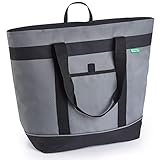
5. Maximize cooler efficiency.
- What to do: Pre-chill your cooler and its contents. Use block ice or frozen water bottles for longer-lasting cold.
- What “good” looks like: Your cooler stays cold for the duration of your trip with minimal ice melt.
- Common mistake: Packing a warm cooler with warm food and expecting ice to do all the work.
- How to avoid it: Pack your cooler the night before, filling it with ice or frozen items. Keep it in the shade and only open it when necessary.
6. Plan for waste disposal.
- What to do: Have a dedicated bag for trash, including eggshells.
- What “good” looks like: All waste, including shells, is collected and packed out.
- Common mistake: Burying or scattering eggshells. They don’t decompose quickly and can attract animals.
- How to avoid it: Use a sturdy trash bag and pack out everything.
7. Prepare your cooking setup.
- What to do: Ensure you have the right pan, utensils, and heat source for cooking your eggs.
- What “good” looks like: You have everything needed for a delicious, safely cooked breakfast.
- Common mistake: Forgetting the spatula or realizing your stove is out of fuel.
- How to avoid it: Do a quick gear check before leaving.
8. Cook and clean.
- What to do: Cook your eggs thoroughly. Clean all utensils and the cooking surface immediately.
- What “good” looks like: A tasty meal and a clean campsite, free from food smells that attract wildlife.
- Common mistake: Leaving dirty dishes or food scraps around camp.
- How to avoid it: Wash up right after eating. Store all food and trash securely.
Common mistakes (and what happens if you ignore them)
| Mistake | What it causes | Fix |
|---|---|---|
| Using the cardboard carton | Cracked eggs, mess in the cooler, wasted food. | Use a dedicated egg carrier or hard-sided container. |
| Packing cracked eggs | Leaking eggs, contamination, wasted food. | Inspect eggs before packing; use or discard compromised eggs. |
| Not pre-chilling cooler/contents | Faster ice melt, food spoilage, reduced food safety. | Chill cooler and food overnight before packing. |
| Storing eggs on cooler door/sides | Temperature fluctuations, potential freezing or warming. | Keep eggs in the center, insulated by other items. |
| Leaving cooler open too long/often | Rapid warming, increased ice melt, food safety risk. | Minimize opening; retrieve items quickly; keep cooler in shade. |
| Not having a leak-proof container | Messy cooler, potential contamination of other food. | Use screw-top bottles or specialized containers for pre-cracked eggs. |
| Scattering eggshells | Attracts wildlife, slow decomposition, violates Leave No Trace. | Pack out all food waste, including eggshells. |
| Forgetting cooking utensils/fuel | Inability to cook breakfast, frustration, potential hunger. | Double-check your cooking gear list before departing. |
| Leaving food smells around campsite | Attracts bears, raccoons, and other critters; potential property damage. | Store all food and trash securely in bear-resistant containers or vehicles when not in use. |
| Not checking weather for extremes | Eggs freezing or cooking in extreme temperatures. | Check forecasts for heatwaves or deep freezes; adjust packing and storage accordingly. |
Decision rules (simple if/then)
- If the trip is longer than 3 days and it’s hot out, then consider pre-cracking eggs because they are easier to manage and store securely.
- If you’re car camping with plenty of space, then a dedicated egg carrier is a great investment because it offers maximum protection.
- If you’re backpacking and weight/space is critical, then bring powdered eggs or skip them because fresh eggs are bulky and fragile.
- If you see any cracks on an egg, then use it immediately or discard it because it’s a prime candidate for spoilage.
- If you’re camping in bear country, then store your eggs (and all food) in a bear canister or your locked vehicle because animals are attracted to smells.
- If temperatures are expected to drop below freezing, then pack eggs in the warmest part of your gear or use an insulated container because freezing can damage the shells and contents.
- If you’re using a hard-sided cooler, then pack eggs in the middle, surrounded by other items, to buffer them from bumps and temperature changes.
- If you’re going for just one night, then fresh eggs in their carton, carefully placed in the cooler, are usually fine.
- If you plan on cooking scrambled eggs or omelets, then pre-cracking them saves time and mess at the campsite.
- If you’re unsure about road conditions, then call the ranger station or check online forums because getting stuck is a serious problem.
- If fire restrictions are in place, then plan on using a camp stove for cooking; don’t rely on a campfire.
- If you’re camping near water sources, then be extra diligent about food storage to avoid attracting wildlife to those areas.
FAQ
How long do fresh eggs last when camping?
With proper cooling, fresh eggs in their shells can last for up to 2-3 weeks in a cooler. The key is consistent, cold temperatures.
What’s the best way to pack eggs for car camping?
For car camping, a sturdy plastic egg carrier or a hard-sided container is ideal. Pack them in the middle of your cooler, surrounded by other food and ice packs.
For car camping, a sturdy plastic egg carrier or a hard-sided food storage container is ideal for protecting your eggs.
Can I bring hard-boiled eggs camping?
Yes, hard-boiled eggs are a great option! They are already cooked, less prone to breaking, and can last a few days in a cooler.
Is it safe to eat eggs that have been exposed to warmer temperatures briefly?
If eggs have been in the “danger zone” (40°F to 140°F) for more than two hours, it’s best to discard them to be safe. Minimize time outside the cooler.
What if I don’t have a dedicated egg carrier?
You can use a sturdy plastic food container with a tight lid. Place a layer of paper towels at the bottom, then arrange the eggs, and add another layer of paper towels on top to cushion them.
Should I wash my eggs before packing?
No, commercial eggs in the US are washed at processing plants, and washing them again at home can remove their natural protective coating, making them more susceptible to bacteria.
How do I handle eggshells when camping?
Eggshells should be packed out with your other trash. They don’t decompose quickly and can attract animals. Put them in a sealed bag to contain any odor.
Are powdered eggs a good alternative for camping?
Powdered eggs are a lightweight and shelf-stable alternative, especially for backpacking or long trips where cooler space is limited. They require rehydration with water.
What this page does NOT cover (and where to go next)
- Detailed recipes for egg dishes at camp.
- Specific cooler packing strategies for various trip lengths.
- Advanced food preservation techniques beyond basic cooling.
- Identifying and handling wild edible plants foraged food.
- Bear safety protocols and proper food storage in bear country.