
Properly Tying Tent Guy Lines for Stability and Weather Protection
Quick answer
- Purpose: Guy lines keep your tent secure, shed water, and resist wind.
- Knot Choice: A taut-line hitch is your best friend for adjustable tension.
- Anchor Points: Use sturdy stakes, trees, or rocks.
- Tension: Snug is good, but don’t over-tighten and damage your tent.
- Angle: Aim for a 45-degree angle from the tent pole to the ground.
- Practice: Do it at home before you hit the trail.
What to check first (do this before you drive out)
Before you even think about setting up camp, a little pre-trip prep goes a long way.
- Land manager / legality: Who’s in charge here? Is it US Forest Service, BLM, a National Park, or state land? Each has its own rules about camping, fires, and where you can pitch your tent. A quick look at their website or a call can save you a headache.
- Access/road conditions: Can your rig actually get to where you want to go? Some spots are fine for a sedan, others demand 4WD and good clearance. Mud, snow, or washouts can turn a fun drive into a recovery mission. Know your vehicle’s limits and the road’s.
- Fire restrictions + weather + wind: This is non-negotiable. Check for fire bans – they can change fast. Look at the forecast for rain, snow, and especially wind. High winds can shred a tent if your guy lines aren’t dialed in.
- Water plan + waste plan (Leave No Trace): Where will you get water? How will you treat it? And what about trash and human waste? Pack it in, pack it out. Know the LNT principles for the area.
- Safety (wildlife, distance to help, comms): What critters call this place home? Know how to store food and what to do if you encounter wildlife. How far is the nearest ranger station or town? Do you have cell service or a satellite communicator?
Step-by-step (field workflow)
Setting up your tent is more than just popping it up. Getting those guy lines right is key to a solid camp.
1. Choose your spot: Find the flattest, most sheltered area. Avoid low spots that might collect water.
- Good looks like: Level ground, protected from direct wind, clear of hazards.
- Common mistake: Pitching in a drainage ditch. Avoid this by looking for higher ground.
2. Lay out the tent body: Unroll it and orient the doors where you want them.
- Good looks like: The tent body is spread out evenly.
- Common mistake: Rushing and having the tent bunched up. This makes staking harder.
3. Insert poles and clip in: Get the poles connected and into their sleeves or clips.
- Good looks like: The tent is starting to take shape, poles are fully seated.
- Common mistake: Forcing poles that aren’t aligned. This can bend or break them.
4. Stake down the corners: Use your stakes to secure the tent floor.
- Good looks like: The tent floor is taut and snug.
- Common mistake: Not driving stakes deep enough. They can pull out in wind.
5. Locate guy line attachment points: Find the loops or tabs on your tent designed for guy lines.
- Good looks like: You know exactly where each guy line attaches to the tent.
- Common mistake: Missing a loop or using the wrong one. This compromises stability.
6. Attach guy lines: Loop your cordage through the attachment points.
- Good looks like: The cord is securely attached to the tent.
- Common mistake: Not using a secure knot or simply tying a knot that can slip.
7. Find a solid anchor point: Look for a tree, sturdy bush, rock, or a good spot to drive a stake.
- Good looks like: A stable anchor that won’t pull out or break.
- Common mistake: Anchoring to a flimsy twig or a rock that could roll.
8. Tie a taut-line hitch: This knot lets you adjust tension easily. Learn it.
- Good looks like: A functional taut-line hitch that holds tension.
- Common mistake: Using a knot that can’t be adjusted, or one that slips.
9. Adjust tension: Pull the guy line until it’s snug. It should take the slack out but not deform the tent.
- Good looks like: The tent fabric is taut, not baggy, but not strained.
- Common mistake: Over-tightening. This stresses seams and poles.
10. Angle the guy line: Aim for roughly a 45-degree angle from the tent pole to the anchor point.
- Good looks like: The line is pulling away from the tent at an effective angle.
- Common mistake: Letting the guy line droop or run parallel to the tent.
11. Repeat for all guy lines: Do this for every guy line on your tent.
- Good looks like: All guy lines are attached, tensioned, and angled correctly.
- Common mistake: Skipping a guy line. This leaves a weak point.
12. Final check: Walk around the tent. Everything should feel solid and look taut.
- Good looks like: A firm, well-supported tent ready for whatever comes.
- Common mistake: Not doing a final walk-around and missing a loose line.
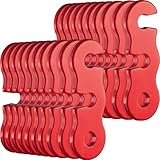
For easier and more secure adjustments, consider using durable guy line tensioners with your cordage. They can make fine-tuning your tent’s stability a breeze.
Common mistakes (and what happens if you ignore them)
| Mistake | What it causes | Fix |
|---|---|---|
| Not practicing knots at home | Fumbling in the dark/wind, setting up late, frustration. | Tie your taut-line hitch a dozen times before you leave. Make it second nature. |
| Using a weak anchor point | Stakes pull out, guy lines detach, tent collapses in wind or rain. | Always use solid ground for stakes or tie to robust trees/rocks. |
| Over-tightening guy lines | Stresses tent seams, can damage poles, makes entry/exit difficult. | Snug is good. If the tent fabric looks like it’s puckering, ease up. |
| Not using guy lines at all | Tent is less stable, flaps in wind, water pools on the flysheet. | Always deploy your guy lines. They’re there for a reason. |
| Guy lines at the wrong angle | Less effective wind resistance, water can pool, might snag things. | Aim for roughly 45 degrees away from the tent pole. |
| Ignoring weather forecasts | Tent gets destroyed by unexpected storms, you get soaked or worse. | Check the weather <em>before</em> you go and <em>again</em> at camp if possible. |
| Not using reflective cord or markers | Tripping hazard at night, especially around the tent entrance. | Use reflective guy line cord or add small reflective tabs. |
| Pitching tent on uneven ground | Water pools under the tent or around the edges, less stable setup. | Take a few minutes to find the flattest, most level spot. |
| Not checking tent for damage before use | Seams split, poles break, or fabric tears during setup or in use. | Inspect your tent thoroughly before your trip. Repair any damage found. |
| Forgetting extra cordage | Can’t reach an anchor point, need to improvise a repair, or tie down something else. | Pack a few extra feet of cordage. You never know when it’ll come in handy. |
If you find yourself struggling with knots, investing in a set of high-quality guy line tensioners can provide quick and reliable adjustments, preventing common mistakes like loose lines.
Decision rules (simple if/then)
- If the wind is picking up, then tension your guy lines more because they are your tent’s primary defense.
- If it looks like rain, then ensure your flysheet is taut and guy lines are secure because a tight flysheet sheds water effectively.
- If you’re camping in an open, exposed area, then use all available guy line points because you need maximum stability.
- If you find a very solid tree, then you might not need a stake for that guy line, but ensure the tie-off is secure.
- If your guy line is dragging on the ground, then find a higher anchor point or adjust the line because it’s less effective and a tripping hazard.
- If you’re using a brand-new tent, then practice setting it up and tying guy lines in your backyard because you don’t want to learn in the field.
- If the ground is soft or sandy, then use longer stakes or a different anchoring method because standard stakes will pull out easily.
- If you’re in a designated campground with tent pads, then use the provided tie-down loops or stakes because they are designed for stability.
- If you can’t find a good anchor point for a guy line, then consider repositioning your tent slightly because a secure setup is paramount.
- If you see condensation inside your tent, then ensure your vents are open and guy lines are snug to promote airflow because this helps manage moisture.
- If you’re using a tarp for extra shelter, then apply the same guy line principles to the tarp because it needs to be secure too.
- If you’re in a situation where you need to quickly pack up, then untying your taut-line hitches is faster than untying standard knots.
FAQ
What is the main purpose of tent guy lines?
Guy lines are crucial for anchoring your tent against wind and helping to keep the rainfly taut, which prevents water from pooling and potentially leaking into your tent. They significantly increase your tent’s stability.
What’s the best knot for tent guy lines?
The taut-line hitch is generally considered the best knot because it’s adjustable. You can easily tighten or loosen it to get the perfect tension without re-tying.
While the taut-line hitch is excellent, many campers find that dedicated guy line tensioners offer even faster and more precise adjustments, especially in challenging conditions.
How tight should my guy lines be?
They should be snug enough to remove slack and keep the tent fabric taut, but not so tight that they distort the tent poles or seams. You don’t want your tent to look like it’s being strangled.
What if I can’t find a good place to anchor my guy lines?
If stakes won’t hold in soft ground, try using longer stakes or finding a heavier object to tie off to. In rocky terrain, look for sturdy rocks or cracks. Trees are always a good bet if available.
Do I need guy lines in calm weather?
Yes, you should still use your guy lines. Even on a calm day, winds can pick up unexpectedly, and a properly tensioned tent is far more resilient. Plus, they help keep the rainfly properly positioned.
How do I make my guy lines visible at night?
Use guy line cord that has reflective strands woven into it. You can also add small reflective tabs or clips to the lines. This helps prevent you and others from tripping over them in the dark.
Can I use rocks to anchor my guy lines?
You can, but be careful. Ensure the rock is heavy and stable and won’t roll. Tying directly around a large, immovable boulder is usually fine, but avoid balancing lines on smaller, precarious rocks.
What happens if I don’t use my guy lines properly?
Your tent will be much more vulnerable to wind, potentially collapsing or even tearing. Water can pool on the flysheet, leading to leaks, and the overall structure will be less stable and comfortable.
What this page does NOT cover (and where to go next)
- Specific tent pole repair techniques (e.g., splicing broken poles).
- Detailed instructions on building a fire or backcountry cooking.
- Advanced wilderness survival skills beyond basic tent setup.
- Choosing the right tent for specific environments (e.g., mountaineering vs. car camping).
- Permit requirements and regulations for specific wilderness areas.

Camping Bob has spent over 20 years camping across the US — from BLM dispersed sites in the Southwest to KOA campgrounds in the Pacific Northwest. He writes practical, no-nonsense guides to help fellow campers get outdoors with confidence.