
Poison Ivy Rash: Understanding How Long It Spreads and Lasts
Quick answer
- Poison ivy rash is caused by urushiol oil, which can spread as long as it’s on your skin or clothing.
- The oil can remain active for months, even years, if not properly removed.
- The rash itself doesn’t spread from person to person, only the oil can transfer.
- Washing immediately after exposure is key to preventing or minimizing the rash.
- Itching is the main symptom, and scratching can spread any remaining oil.
- Antihistamines and calamine lotion can help manage symptoms.
What to check first (do this before you drive out)
Before you head out into the woods, or if you think you’ve encountered poison ivy, it’s smart to get a handle on how this plant works. Knowing what you’re dealing with keeps things from getting itchy and miserable later.
- Identify the plant: Know what poison ivy looks like. It typically has three leaflets, often with serrated edges, and can grow as a vine or a shrub. “Leaves of three, let it be” is a good rule of thumb.
- Understand the oil: Poison ivy, oak, and sumac all contain urushiol, an oily resin that causes the allergic reaction. This oil is the culprit, not the plant itself directly.
- Know your exposure: Did you touch the plant directly? Did you brush against it? Did your pet run through it? Understanding the type of contact helps determine how much oil might be on you.
- Plan for immediate cleaning: If you suspect exposure, having soap and water or specialized wipes ready is crucial. The sooner you can wash off the urushiol, the better your chances of avoiding a rash.
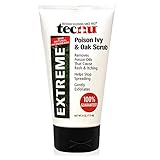
If you suspect exposure, having specialized wipes like Tecnu poison ivy scrub ready is crucial. The sooner you can wash off the urushiol, the better your chances of avoiding a rash.
Step-by-step (field workflow)
Here’s how to handle things if you think you’ve come into contact with poison ivy while out camping or hiking. It’s all about acting fast and cleaning thoroughly.
1. Stop and assess: If you notice you’ve brushed against something that might be poison ivy, stop moving. Don’t keep hiking through it.
- Good looks like: You pause, look down, and recognize the potential danger before you track it further.
- Common mistake: Brushing it off and continuing, thinking “it’s probably fine.” This guarantees you’ll spread the oil more.
2. Identify the plant (if safe): From a safe distance, try to confirm if it’s poison ivy. Look for the “leaves of three” and its growth habit.
- Good looks like: You can confidently identify it or at least suspect it strongly.
- Common mistake: Getting too close to confirm, increasing your exposure risk.
3. Don’t touch anything else: Avoid touching your face, eyes, or any other part of your body. Also, try not to touch your gear, clothing, or pets unnecessarily.
- Good looks like: You’re moving carefully, keeping your hands to yourself.
- Common mistake: Frantically trying to wipe your skin with your sleeve, which just smears the oil.
4. Wash exposed skin immediately: If you have soap and water, wash the affected area thoroughly. Use cool water and plenty of soap. Scrub gently.
- Good looks like: A good, sudsy wash that covers all potentially exposed areas.
- Common mistake: Using hot water, which can open pores and potentially drive the oil deeper.
5. Clean under fingernails: Urushiol can get trapped under your nails, which can then spread to your face or other areas when you scratch or touch your face.
- Good looks like: You use a brush or even a twig to scrape under your nails.
- Common mistake: Forgetting your nails, leading to secondary breakouts.
6. Wash clothing and gear: Anything that touched the plant needs to be washed separately. This includes your hiking pants, shirt, backpack, and even your boots.
- Good looks like: Putting contaminated items in a separate bag and planning a wash cycle.
- Common mistake: Throwing everything in the same laundry load as clean clothes, spreading the oil.
7. Wash pets: If your pet ran through the area, they can carry the urushiol oil on their fur. Wash them thoroughly with pet shampoo.
- Good looks like: A patient pet bath, wearing gloves yourself.
- Common mistake: Assuming your pet is fine and letting them cuddle with you, transferring oil.
8. Monitor for rash: Even with immediate washing, a rash can still develop. Keep an eye on exposed areas for redness, itching, and blistering.
- Good looks like: You’re vigilant about checking your skin over the next 12-48 hours.
- Common mistake: Thinking the problem is over once you’ve washed, and then being surprised by a rash.
For thorough cleaning, especially if soap and water aren’t immediately available, consider using a specialized product like Tecnu poison ivy scrub to help remove the urushiol oil.
Common mistakes (and what happens if you ignore them)
| Mistake | What it causes | Fix |
|---|---|---|
| Not washing immediately after exposure | Oil penetrates skin, leading to a more severe and widespread rash. | Wash with soap and cool water within 10-20 minutes if possible. If later, wash anyway; it can still help remove surface oil. |
| Using hot water to wash | Can open pores and potentially drive the urushiol oil deeper into the skin. | Always use cool or lukewarm water when washing after suspected exposure. |
| Scratching the rash | Can spread any remaining urushiol oil on your skin or under your fingernails. | Resist the urge. Keep nails trimmed. Use calamine lotion or cool compresses for relief. |
| Touching face or eyes after exposure | Urushiol oil transferred to sensitive areas causes severe swelling and irritation. | Wash hands thoroughly and avoid touching your face. If oil gets in eyes, rinse immediately with plenty of water and seek medical advice. |
| Re-wearing contaminated clothing | Urushiol oil can remain on fabric for a long time, causing re-exposure. | Wash all potentially contaminated clothing and gear separately in hot water with detergent. |
| Believing the rash is contagious | Spreads misinformation and unnecessary fear. | Understand that only the urushiol oil is transferable, not the rash itself. |
| Not cleaning tools or gear | Urushiol can linger on items like garden tools, hiking poles, or tents. | Clean all equipment that may have come into contact with the plant. |
| Ignoring mild initial symptoms | Can lead to a more severe reaction if the oil is still active or spreading. | Treat any suspected exposure seriously, even if it seems minor at first. |
| Assuming pets are immune | Pets can carry urushiol oil and transfer it to humans. | Wash pets thoroughly if they’ve been in areas with poison ivy. Wear gloves yourself. |
| Using alcohol wipes alone for cleaning | While helpful, they may not remove all urushiol oil effectively. | Soap and water is the gold standard. Alcohol wipes can be a backup if soap and water aren’t available immediately. |
To help manage the itch and discomfort, applying calamine lotion can provide soothing relief.
Decision rules (simple if/then)
- If you see leaves of three, then step away carefully because it’s likely poison ivy.
- If you think you touched poison ivy, then wash exposed skin immediately with soap and cool water because urushiol oil needs to be removed fast.
- If you can’t wash with soap and water right away, then use an alcohol wipe or specialized poison ivy wash because removing surface oil is better than nothing.
- If your clothes touched the plant, then remove them carefully and wash them separately because the oil can stay on fabric for a long time.
- If your pet ran through poison ivy, then wash them thoroughly with pet shampoo because they can carry the oil and transfer it to you.
- If you have an itchy rash that you’re tempted to scratch, then apply calamine lotion or a cool compress because scratching can spread the oil and worsen the rash.
- If you have blisters that break, then keep the area clean and covered to prevent infection because open wounds are more susceptible to bacteria.
- If you have a severe reaction or the rash spreads to your face or genitals, then see a doctor because you may need prescription medication.
- If you’re unsure about identifying the plant, then err on the side of caution and avoid touching it because it’s better to be safe than sorry.
- If you’re going into an area known for poison ivy, then wear long sleeves and pants because physical barriers help prevent skin contact.
- If you’re planning to clear brush, then wear protective gloves and clothing because direct contact is the highest risk.
If you have an itchy rash that you’re tempted to scratch, then apply calamine lotion or a cool compress because scratching can spread the oil and worsen the rash.
FAQ
How long does poison ivy oil stay active?
Urushiol oil can remain potent on surfaces and tools for months, even years, if not washed off. It’s not the plant itself that’s active, but the oil it releases.
Can I spread poison ivy by touching the rash?
No, the rash itself is an allergic reaction and is not contagious. You can only spread poison ivy if you touch oil that’s still on your skin or clothing and then touch another part of your body or someone else.
How long does it take for a poison ivy rash to appear?
Symptoms typically appear 12 to 48 hours after exposure, but it can sometimes take longer, up to a week or more, especially for first-time exposures.
How long does the poison ivy rash itself last?
Once the rash develops, it usually lasts for 1 to 3 weeks. The itching is often the worst part and can persist throughout this period.
Can I get poison ivy on my face?
Yes, if urushiol oil comes into contact with your face, especially around the eyes or mouth, it can cause significant swelling and irritation. This is a serious exposure.
What’s the best way to wash off poison ivy oil?
The most effective method is washing thoroughly with soap and cool water as soon as possible after exposure. Scrub gently to remove the oil.
Does poison ivy spread on its own once it’s on my skin?
The rash doesn’t spread from blister fluid. However, if there’s still active urushiol oil on your skin, scratching or touching other areas can spread that oil and cause new rash spots.
Is there anything I can do to prevent poison ivy?
Besides avoiding the plant, wearing protective clothing and washing everything that might have touched it are key preventative steps. There are also barrier creams that can help, but they aren’t foolproof.
What this page does NOT cover (and where to go next)
This page focuses on understanding how poison ivy oil spreads and how to manage immediate exposure. It doesn’t go into deep medical diagnosis or treatment plans.
- Prescription treatments: For severe reactions, a doctor might prescribe corticosteroids or other medications. Look into what options are available if over-the-counter remedies aren’t enough.
- Home remedies for itching: While some natural remedies are popular, their effectiveness varies. Research specific remedies if you’re looking for alternatives to standard treatments.
- Long-term skin care after a rash: If you have persistent skin issues after a severe rash, consult a dermatologist.
- Identifying other poisonous plants: Poison ivy is just one of several plants that can cause skin irritation. Familiarize yourself with other local irritants.
- Advanced first aid for allergic reactions: For severe systemic reactions, immediate medical attention is crucial. Understand when to call emergency services.

Camping Bob has spent over 20 years camping across the US — from BLM dispersed sites in the Southwest to KOA campgrounds in the Pacific Northwest. He writes practical, no-nonsense guides to help fellow campers get outdoors with confidence.