
Proper Disposal of Used Propane Tanks
Quick answer
- Don’t just toss ’em. Propane tanks are hazardous waste.
- Many retailers take them back for a fee.
- Local recycling centers are your best bet.
- Check with your local waste management agency first.
- Empty tanks still have residual pressure. Handle with care.
- Never puncture or try to refill disposable tanks.
What to check first (do this before you drive out)
Before you even think about hauling that old propane tank, do a little homework. It’s not like tossing an empty soda can.
- Land manager / legality: Who manages the land where you’re camping or where you’ll be disposing of the tank? For disposal sites, this usually means your local municipality or county waste authority. They set the rules.
- Access/road conditions: Is the recycling center or drop-off point accessible? Some might have specific hours or require appointments. Don’t get stuck in a situation where you can’t get rid of it.
- Fire restrictions + weather + wind: While not directly related to disposal, always be aware of current fire danger. Even an “empty” tank can hold enough residual gas to be a hazard. Hot weather can increase pressure.
- Water plan + waste plan: This is more about your camping trip, but good planning prevents issues. Have a solid plan for water and pack out all your trash, including the tank, responsibly.
- Safety (wildlife, distance to help, comms): Propane tanks, even empty ones, should be handled carefully. Keep them away from heat sources. Know where the nearest services are in case of an issue.
Step-by-step (field workflow)
Here’s how to handle a used propane tank when it’s time to say goodbye.
1. Identify the tank type: Is it a disposable 1-pound cylinder or a refillable larger tank? This dictates your disposal options.
- Good: You know exactly what you’re dealing with.
- Mistake: Assuming all tanks are the same. Disposable tanks have very different rules than refillable ones.
2. Ensure the tank is empty: For disposable tanks, this means letting out all residual gas. For larger tanks, ensure the valve is fully closed and it’s been depressurized.
- Good: No hiss when you try to open the valve slightly (use extreme caution).
- Mistake: Trying to dispose of a tank that still has pressure. This is a major safety hazard.
3. Check retailer return programs: Many outdoor retailers that sell propane tanks also accept them back for recycling, often for a small fee.
- Good: You find a convenient store that takes them.
- Mistake: Driving all over town without checking first. Call ahead.
4. Locate a hazardous waste facility: Your local landfill or a dedicated hazardous waste collection site is often the best place.
- Good: You find a site that specifically accepts propane tanks.
- Mistake: Leaving a tank at a regular recycling bin. It can contaminate other recyclables and cause explosions.
5. Contact your local waste management: If you’re unsure, call your city or county solid waste department. They can direct you to the right facility or program.
- Good: You get a clear answer and a specific location.
- Mistake: Guessing and potentially creating a problem for waste workers.
6. Transport safely: Secure the tank so it doesn’t roll around. Keep it upright and away from heat or sparks.
- Good: The tank is snug and doesn’t move during transport.
- Mistake: Letting it bounce around in the trunk or truck bed.
7. Follow facility instructions: Once at the disposal site, listen to the staff and follow their directions precisely.
- Good: You hand it over with no fuss.
- Mistake: Trying to be a hero and put it where you think it goes.
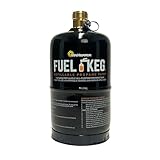
8. For refillable tanks: If it’s a larger, refillable tank (like for a grill), your primary option is to exchange it at a retailer or have it professionally re-certified and refilled. Disposal is usually a last resort.
- Good: You swap your old tank for a full one.
- Mistake: Trying to dispose of a refillable tank like a disposable one.
When identifying the tank type, remember that 1 lb disposable propane canisters have different disposal rules than larger tanks. Make sure you know which type you have.
Common mistakes (and what happens if you ignore them)
| Mistake | What it causes | Fix |
|---|---|---|
| Tossing a tank in regular trash | Explosions at landfills, injury to workers, fire hazards. | Take to a designated hazardous waste facility or retailer take-back program. |
| Puncturing a disposable tank | Release of flammable gas, potential ignition, explosion. | Never puncture. Let residual gas dissipate outdoors, away from ignition sources. |
| Burying a propane tank | Environmental contamination, potential for future leaks, safety hazard if dug up. | Do not bury. Dispose of through proper channels. |
| Trying to refill a disposable tank | Tank rupture due to overfilling, improper pressure, or material failure. These are not designed for refilling. | Buy new disposable tanks or opt for refillable ones. |
| Assuming a tank is completely empty | Residual gas can still ignite or cause pressure buildup. | Handle with care, even when “empty.” Transport and store away from heat. |
| Not checking local regulations | Fines, improper disposal that harms the environment or creates safety risks. | Always check with your local waste management authority or recycling center. |
| Mixing propane tanks with regular recycling | Contamination of recyclables, potential for explosions in sorting facilities. | Treat propane tanks as hazardous waste, not standard recyclables. |
| Storing old tanks indoors for long periods | Risk of leaks and gas buildup in enclosed spaces, especially if there’s a minor leak. | Store outdoors, upright, and away from living areas and ignition sources until disposal. |
| Leaving tanks at abandoned campsites | Environmental hazard, potential fire risk, illegal dumping. | Pack it out. Always take all your gear, including used tanks, with you. |
| Disposing of a tank with a faulty valve | Leaks, potential for gas release, increased hazard during transport and disposal. | If a valve is clearly damaged, flag it and inform the disposal facility staff. They can handle it appropriately. |
Decision rules (simple if/then)
- If you have a small, single-use propane cylinder (like for a camp stove), then look for retailer take-back programs or hazardous waste drop-offs because these are the most common disposal routes.
- If you have a larger, refillable propane tank (like for a BBQ grill), then your first option is to exchange it for a full one at a retailer because this is the most economical and intended use.
- If you find a retailer that accepts used tanks, then call them first to confirm their policy, fees, and hours because these can change.
- If you can’t find a retailer take-back, then locate your local household hazardous waste (HHW) collection site because they are equipped to handle these materials safely.
- If you are unsure about the emptiness of a tank, then assume it has residual pressure and handle it with extreme caution outdoors, away from any heat or flames.
- If you are transporting multiple tanks, then secure them upright in your vehicle to prevent them from rolling or tipping over because this minimizes the risk of leaks.
- If you see a propane tank left behind at a campsite, then do not assume it’s empty or safe; pack it out and dispose of it properly yourself, or report it to the land manager if it’s a significant hazard.
- If a tank is visibly damaged or leaking, then do not attempt to transport it yourself; contact your local fire department or hazardous materials team for guidance.
- If you plan to store a used tank for a while before disposal, then keep it outdoors, upright, and in a well-ventilated area, away from any potential ignition sources.
- If you are a renter and don’t own a grill tank, then check with your landlord or apartment complex management about their disposal policies for such items.
- If you are traveling out of state, then research the disposal options in your destination area because regulations can vary significantly.
If you have a small, single-use propane cylinder like these 1 lb disposable propane canisters, look for retailer take-back programs or hazardous waste drop-offs.
FAQ
Can I just throw an empty propane tank in the garbage?
No, absolutely not. Even “empty” tanks can contain residual gas and pressure, making them a serious fire and explosion hazard for sanitation workers and at landfills.
Where can I take my used 1-pound propane cylinders?
Many outdoor gear stores and hardware stores that sell these cylinders also have take-back programs. Local recycling centers or hazardous waste facilities are also common options. Always call ahead.
What about larger, refillable propane tanks?
For larger tanks, the standard procedure is to exchange them for a full one at a retailer. If the tank is old or damaged, you might need to take it to a specialized recycling center that handles compressed gas cylinders.
Is there a fee to dispose of propane tanks?
Sometimes. Retailer take-back programs often charge a small fee, and some hazardous waste facilities may also have nominal charges. It’s usually a few dollars.
How do I know if my propane tank is truly empty?
You can try to briefly open the valve outdoors, away from ignition sources. If you hear no hiss, it’s likely empty. However, always err on the side of caution and handle as if it has residual pressure.
Even when you think a tank is empty, it’s wise to use propane cylinder safety caps for transport and storage to prevent accidental leaks or damage.

Can I puncture a propane tank to make sure it’s empty?
Never. Puncturing a tank, even one you think is empty, can release flammable gas and cause an explosion or fire. These tanks are designed to hold pressure.
What if my propane tank is damaged?
If a tank is dented, rusted, or the valve is damaged, it’s more hazardous. Do not try to dispose of it yourself. Contact your local fire department or waste management authority for specific instructions.
Are there special rules for disposable camping propane bottles?
Yes, these are the most common ones people ask about. They should never go in your curbside recycling bin. They need to go to a designated disposal point.
What happens if I’m caught illegally dumping a propane tank?
You could face significant fines. Illegal dumping is harmful to the environment and poses a safety risk to others.
What this page does NOT cover (and where to go next)
- Refilling procedures for disposable tanks (this is dangerous and not recommended).
- Specific regulations for commercial or industrial propane tanks.
- Detailed instructions on how to repair a damaged propane tank valve.
- Information on other types of compressed gas cylinders (e.g., oxygen, acetylene).
- Detailed pricing or reservation requirements for specific disposal sites (check local listings).