
Make Dry Ice Last Longer: Storage Tips
Quick answer
- Store dry ice in an insulated cooler. Styrofoam is best.
- Keep the cooler lid closed as much as possible.
- Don’t seal the cooler airtight. Dry ice sublimates into CO2 gas.
- Use it within 24 hours for peak performance.
- Handle with gloves and tongs. It’s super cold.
- Understand it will sublimate; you can’t stop it, only slow it.
What to check first (do this before you drive out)
Before you load up that precious dry ice, a few things need your attention. It’s not rocket science, but a little prep goes a long way.
- Land manager / legality: This is mostly about where you’re using the dry ice, not storing it. If you’re camping in a National Forest, BLM land, or State Park, check their specific rules. Some areas might have restrictions on what you can bring or do. Usually, for camping cooler use, it’s a non-issue, but it’s good practice to know who manages the land.
- Access/road conditions: This one’s for the journey to your campsite. Is the road paved all the way, or are you bumping along a dirt track? If you’re hauling a cooler full of dry ice, you don’t want to be bouncing around too much. A good, stable ride means less jostling, which can help the ice sublimate a bit slower. Plus, you don’t want to arrive with a busted cooler.
- Fire restrictions + weather + wind: Dry ice is for keeping things cold, right? But its sublimation creates CO2 gas. In an enclosed space, like a car or tent, high concentrations of CO2 can be dangerous. Always ensure good ventilation. Also, extreme heat outside will make your dry ice disappear faster. Check the forecast.
- Water plan + waste plan (Leave No Trace): Dry ice turns directly into gas. It doesn’t leave a liquid mess like regular ice. That’s a win for LNT. However, you still need to pack out everything you pack in. Think about your food and drink too. If you’re using dry ice for a multi-day trip, plan how you’ll keep your food safe and how you’ll dispose of any packaging.
- Safety (wildlife, distance to help, comms): Dry ice is seriously cold. Always use insulated gloves and tongs when handling it. Don’t touch it with bare skin. For wildlife, dry ice itself isn’t a direct attractant, but the food it keeps cold might be. Keep your camp tidy. Know how far you are from help and if you have any cell service or a way to communicate in an emergency.
For safe and easy manipulation of dry ice blocks, heavy duty ice tongs are an essential tool, preventing direct skin contact.

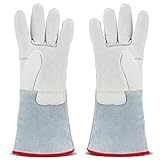
When handling dry ice, safety is paramount. Always use a pair of dry ice cryogenic gloves to protect your hands from severe frostbite.
Step-by-step (field workflow)
Here’s how to handle your dry ice like a pro when you get to camp.
1. Acquire your dry ice.
- What “good” looks like: You’ve got solid blocks or pellets, not a powdery mess. It’s clearly cold.
- Common mistake: Buying it too early. Dry ice starts sublimating the moment it’s made. Get it as close to departure as possible.
2. Transport it carefully.
- What “good” looks like: The dry ice is in a well-ventilated part of your vehicle, not sealed in a trunk or passenger cabin with no airflow.
- Common mistake: Storing it in a completely sealed container during transport. This can build up pressure and cause the container to rupture or even explode.
3. Prepare your storage cooler.
- What “good” looks like: You’ve chosen an insulated cooler – a good quality one, ideally styrofoam or a thick-walled cooler. Avoid metal ones; they conduct heat.
- Common mistake: Using a cheap, thin-walled cooler. It won’t insulate well, and your dry ice will melt (sublimate) way too fast.
4. Pre-chill your cooler (optional but recommended).
- What “good” looks like: The inside of the cooler is already cold before you add the dry ice. You can do this by putting ice packs or regular ice in it for a few hours beforehand and dumping the meltwater.
- Common mistake: Putting warm dry ice into a warm cooler. It’s like trying to cool your house down on a hot day by opening the windows.
5. Place dry ice in the cooler.
- What “good” looks like: The dry ice is sitting on top of any regular ice or frozen items you might have. This is because the cold CO2 gas sinks.
- Common mistake: Burying the dry ice deep under everything. It’s less efficient at cooling what’s below it this way.
6. Vent the cooler lid.
- What “good” looks like: The lid is closed, but not sealed airtight. Leave a small gap or use a cooler with a vent.
- Common mistake: Sealing the cooler lid shut completely. The sublimating CO2 gas needs to escape, or pressure will build up.
7. Minimize opening the cooler.
- What “good” looks like: You’re organized. You know what you need before you open the cooler, and you grab it quickly.
- Common mistake: Constantly opening the cooler to “check on things.” Every time you open it, you lose cold air and let warmer air in.
8. Use dry ice strategically.
- What “good” looks like: You’re using the dry ice for items that must stay frozen, like raw meats or ice cream. Regular ice is fine for drinks and things that just need to be cold.
- Common mistake: Using dry ice for everything. It’s overkill and wastes your precious cold supply.
9. Monitor CO2 levels (if in enclosed spaces).
- What “good” looks like: If you’re using dry ice in a tent or vehicle, you have good ventilation. If you have any doubts, use a CO2 monitor.
- Common mistake: Not ventilating. CO2 displaces oxygen and can lead to dizziness, suffocation, or worse.
10. Dispose of any remaining dry ice safely.
- What “good” looks like: You let any leftover dry ice sublimate completely in a well-ventilated outdoor area, away from people and pets.
- Common mistake: Throwing it in the trash or down a drain. It needs to sublimate safely.
Common mistakes (and what happens if you ignore them)
| Mistake | What it causes | Fix |
|---|---|---|
| Buying dry ice too far in advance | Significant loss of dry ice before you even use it. | Purchase dry ice as close to your departure time as possible. |
| Storing dry ice in a sealed, airtight container | Pressure buildup, potential container rupture or explosion. | Use a vented container or leave the lid slightly ajar. Ensure good ventilation during transport. |
| Using a cheap, uninsulated cooler | Rapid sublimation of dry ice; it won’t last long. | Invest in a good quality, insulated cooler (styrofoam is excellent for this). |
| Sealing the cooler lid completely shut | Pressure buildup from CO2 gas can damage the cooler or cause a safety hazard. | Leave the lid slightly ajar or use a cooler with a built-in vent. |
| Constantly opening the cooler | Faster loss of cold air, leading to quicker sublimation of dry ice. | Be organized; know what you need before opening. Open only when necessary and close it quickly. |
| Touching dry ice with bare skin | Severe frostbite and cold burns. | Always use thick, insulated gloves and tongs for handling. |
| Using dry ice for items that only need to be cold | Wasting valuable dry ice on things that regular ice or ice packs can handle. | Reserve dry ice for items that absolutely must remain frozen. Use regular ice for drinks and other perishables. |
| Not ventilating areas where dry ice is used | CO2 gas buildup can displace oxygen, leading to dizziness, headaches, or asphyxiation. | Ensure good ventilation in vehicles, tents, or any enclosed spaces where dry ice is present. Consider a CO2 monitor if concerned. |
| Disposing of dry ice improperly | Can cause damage to plumbing or create a hazard if it sublimates rapidly in a bin. | Allow any remaining dry ice to sublimate completely in a safe, well-ventilated outdoor area. |
| Not pre-chilling the cooler | Dry ice has to work harder to cool down the container, reducing its lifespan. | Chill your cooler with ice packs or regular ice for a few hours before adding dry ice. |
To avoid severe frostbite, always handle dry ice with appropriate protection, such as dry ice cryogenic gloves.
Decision rules (simple if/then)
- If you need to keep items frozen solid for more than 48 hours, then plan to replenish your dry ice, because it will sublimate completely within that timeframe, even with optimal storage.
- If you are transporting dry ice in a vehicle, then ensure there is adequate ventilation because the CO2 gas produced can displace oxygen.
- If you are camping in a hot climate, then expect your dry ice to last for a shorter period, because higher ambient temperatures accelerate sublimation.
- If you are using dry ice in a cooler, then avoid sealing the lid tightly because the accumulating CO2 gas needs to escape to prevent pressure buildup.
- If you have a choice between a styrofoam cooler and a plastic cooler, then choose the styrofoam cooler because it generally provides better insulation for dry ice.
- If you are handling dry ice, then always wear insulated gloves and use tongs because direct contact can cause severe frostbite.
- If you plan to use dry ice for a short trip (under 24 hours), then you can likely get away with fewer precautions, but still need to ventilate and use insulated storage.
- If you are unsure about the purity or quantity of dry ice you need, then err on the side of caution and buy a bit more than you think you will, because it’s better to have extra than not enough.
- If you are storing dry ice for an extended period (more than a day), then check on it periodically and reposition it if needed, because even in a good cooler, sublimation is constant.
- If you are camping in bear country, then remember that while dry ice itself doesn’t attract bears, the food it preserves does, so maintain good food storage practices.
- If you are looking to maximize dry ice lifespan, then keep the cooler in the coldest possible location, ideally shaded and protected from direct sun.
When handling dry ice, always wear insulated gloves and use heavy duty ice tongs because direct contact can cause severe frostbite.
FAQ
How long does dry ice typically last in a cooler?
In a good quality, well-packed insulated cooler, dry ice can last anywhere from 12 hours to 3 days. It really depends on the size of the dry ice block, the quality of the cooler, how often it’s opened, and the ambient temperature.
Can I store dry ice in my freezer?
No. Your home freezer is typically around 0°F (-18°C), while dry ice is -109.3°F (-78.5°C). Storing dry ice in a freezer will cause the dry ice to sublimate much faster, and it won’t significantly cool your freezer.
What’s the best type of cooler for dry ice?
A thick-walled styrofoam cooler is generally considered the best for dry ice because it’s a great insulator and is inexpensive. High-quality, well-insulated hard-sided coolers can also work well, but they might not retain the cold as long as a dedicated styrofoam box.
Is it safe to use dry ice in a tent?
It can be, but only with extreme caution and proper ventilation. Dry ice sublimates into carbon dioxide gas, which can displace oxygen. Always ensure your tent is well-ventilated, and if you have any doubts, consider a CO2 monitor.
What happens if I seal a container with dry ice?
Sealing a container with dry ice is dangerous. As the dry ice sublimates, it produces a large volume of CO2 gas. This gas will build up pressure inside the sealed container, which can cause it to rupture or even explode.
Can I use dry ice to keep my regular ice frozen?
Yes, you can use dry ice to keep regular ice frozen, but it’s usually overkill. Dry ice is much colder than regular ice and will sublimate faster. It’s best to reserve dry ice for items that need to stay truly frozen.
What should I do with leftover dry ice?
Let it sublimate completely in a well-ventilated outdoor area. Do not put it in the trash, down a drain, or in an enclosed space where the CO2 gas can build up.
How much dry ice do I need?
This depends on how long you need to keep things frozen and the size of your cooler. A general rule of thumb is about 5-10 pounds for a 24-hour period in a standard cooler, but this can vary greatly.
Can dry ice be used for food safety in a power outage?
Absolutely. Dry ice is an excellent way to keep your freezer contents frozen during a power outage, extending their shelf life significantly. Just ensure proper ventilation if storing it in a vehicle or enclosed space.
What this page does NOT cover (and where to go next)
- Specific purchasing locations: We don’t list vendors. Look online for “dry ice suppliers near me.”
- Dry ice blasting: This is a specialized industrial cleaning method, not for camping coolers.
- Re-freezing thawed food: While dry ice keeps things frozen, it’s not a magic bullet for food safety if items have already thawed and refrozen multiple times.
- Commercial dry ice production: The industrial processes for making dry ice are complex and not relevant for consumer use.
- Advanced temperature monitoring: For critical applications, specialized equipment is needed, which goes beyond typical camping needs.

Camping Bob has spent over 20 years camping across the US — from BLM dispersed sites in the Southwest to KOA campgrounds in the Pacific Northwest. He writes practical, no-nonsense guides to help fellow campers get outdoors with confidence.