
Practical Tips to Keep Flies Off Your Dog
Quick answer
- Use a dog-safe fly repellent spray or wipe.
- Keep your dog clean and dry, especially after swimming or sweating.
- Provide shade and limit outdoor time during peak fly hours.
- Consider a fly mask or sheet for extra protection.
- Check your dog regularly for fly bites or irritation.
- Keep your campsite clean to avoid attracting flies.
For extra protection against persistent flies, consider a dog fly mask. It can shield sensitive areas like their eyes and ears.

What to check first (do this before you drive out)
Before you even load the dog into the car, get your fly-fighting strategy dialed in. This isn’t just about comfort; it’s about preventing bites and potential infections.
- Land manager / legality: Know who manages the land you’re headed to. National Forests, BLM land, state parks – they all have different rules. Some might have specific restrictions on what you can bring or do. A quick look at their website or a call can save you a headache. I usually check the US Forest Service or BLM site for the area.
- Access/road conditions: Is the road to your campsite a smooth ride or a bumpy trail? If it’s rough, your dog might get stressed, and you don’t want them agitated before you even set up camp. Check recent reports if possible.
- Fire restrictions + weather + wind: Flies are often worse in hot, humid weather. Check the forecast. High winds can actually help keep flies away, but extreme wind is its own problem. And for crying out loud, check fire restrictions. Nobody wants to be that camper.
- Water plan + waste plan (Leave No Trace): Having enough water is crucial, especially if it’s hot and your dog is panting a lot. Also, think about waste. Dog waste can attract flies. Pack it out, plain and simple. Follow LNT principles.
- Safety (wildlife, distance to help, comms): While dealing with flies, don’t forget the bigger picture. Are there bears? What’s the nearest vet or ranger station? Make sure you have a way to communicate if needed, even if it’s just a satellite messenger.
Step-by-step (field workflow)
Here’s how to tackle flies once you’re out there. It’s a process, but worth it.
1. Apply dog-safe repellent:
- What to do: Before you hit the trail or set up camp, apply a repellent specifically made for dogs. Read the label carefully.
- What “good” looks like: Your dog is comfortable, not licking the repellent, and you see fewer flies bothering them.
- Common mistake: Using human repellent or something not meant for dogs. This can cause skin irritation or worse. Always use a product vetted for canine use.
2. Keep campsite clean:
- What to do: Secure all food, clean up spills immediately, and pick up dog waste promptly. Use trash bags and dispose of them properly.
- What “good” looks like: Your campsite is tidy, free of food scraps, and doesn’t smell like a buffet for bugs.
- Common mistake: Leaving food out or not cleaning up after your dog. This is like rolling out the welcome mat for every fly in the county.
3. Provide shade:
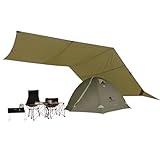
- What to do: Set up a shaded area using a tarp, umbrella, or by parking near trees.
- What “good” looks like: Your dog has a cool, shady spot to relax and escape the direct sun and buzzing pests.
- Common mistake: Letting your dog bake in the sun all day. Overheating is a real danger, and flies will swarm a hot, stressed dog.
To provide optimal shade, a camping tarp shade can be easily set up to create a cool, fly-free zone for your dog.
4. Limit outdoor time during peak hours:
- What to do: If flies are really bad, keep your dog inside the tent or vehicle during the hottest parts of the day when flies are most active.
- What “good” looks like: Your dog gets a break from the constant annoyance, and you avoid a frantic, fly-bitten pup.
- Common mistake: Assuming your dog can just tough it out. They can’t, and they’ll become miserable.
5. Use a fly mask or sheet (if needed):
- What to do: For dogs particularly bothered by flies, consider a lightweight fly mask or sheet. Ensure it fits well and doesn’t impede vision or breathing.
- What “good” looks like: The mask/sheet stays on, your dog tolerates it, and the flies are kept away from sensitive areas like eyes and ears.
- Common mistake: Forcing a mask on a dog that absolutely hates it, or having one that fits poorly and rubs. It should be a relief, not another stressor.
If flies are particularly bothersome, a well-fitting dog fly mask can offer significant relief, especially for sensitive dogs.
6. Monitor for bites and irritation:
- What to do: Regularly check your dog’s skin, especially around the ears, eyes, and belly, for red spots, swelling, or open sores.
- What “good” looks like: You catch any irritation early and can address it before it becomes infected.
- Common mistake: Not checking. A small bite can turn into a big problem if left untreated.
7. Keep your dog clean and dry:
- What to do: After swimming or heavy exertion, towel your dog dry. Flies are attracted to moisture and odors.
- What “good” looks like: Your dog’s coat is dry and free of excess dirt or debris.
- Common mistake: Letting your dog stay wet and muddy. This is prime fly real estate.
8. Consider natural deterrents:
- What to do: Some people find success with diluted apple cider vinegar rinses or certain essential oils (used with extreme caution and always diluted/dog-safe).
- What “good” looks like: A subtle scent that seems to keep flies at bay without irritating your dog.
- Common mistake: Using essential oils directly or in high concentrations. This can be toxic to dogs. Always research and consult a vet.
Common mistakes (and what happens if you ignore them)
| Mistake | What it causes | Fix |
|---|---|---|
| Using human bug spray on dogs | Skin irritation, chemical burns, poisoning | Use only dog-specific repellents. |
| Leaving food or trash exposed | Attracts flies and other pests | Secure all food and trash in sealed containers or bags. |
| Not providing adequate shade | Overheating, heat stress, increased fly annoyance | Set up shade structures or utilize natural shade. |
| Ignoring fly masks/sheets for sensitive dogs | Persistent irritation, pawing, potential eye/ear damage | Use well-fitting masks/sheets for dogs prone to intense fly problems. |
| Letting dog stay wet/muddy | Attracts flies, skin irritation, potential infections | Towel dry your dog thoroughly after water activities or rain. |
| Not checking for bites regularly | Delayed treatment, infection, discomfort | Make a habit of checking your dog’s skin daily, especially ears, eyes, and belly. |
| Relying solely on one method | Ineffective protection, fly problem persists | Combine multiple strategies: repellent, shade, cleanliness, and monitoring. |
| Assuming your dog is immune to bites | Unnecessary suffering, potential health issues | Treat flies as a genuine nuisance and threat to your dog’s comfort and health. |
| Using strong essential oils directly | Toxic reactions, skin damage, respiratory issues | Always dilute and research extensively; consult your vet before using any essential oils. |
| Not securing dog in tent/vehicle | Constant disturbance, stress, escape attempts | Ensure your dog has a comfortable, contained space when flies are overwhelming outdoors. |
Decision rules (simple if/then)
- If flies are swarming your dog’s face, then apply a dog-safe repellent around their head and ears because this is where they cause the most irritation and can get into eyes.
- If the temperature is over 75°F and humid, then check your dog for signs of overheating more frequently because heat and humidity make flies more active and dogs more vulnerable.
- If you are camping near standing water or marshy areas, then be extra vigilant about fly control because these are prime breeding grounds.
- If your dog has long fur, then consider a spray or wipe that works through the coat because patchy application won’t be effective.
- If your dog is scratching excessively, then check for fly bites or other skin irritations because constant itching can lead to secondary infections.
- If you see flies congregating on open wounds or sores, then clean the wound and apply a protective barrier or bandage because flies can spread bacteria.
- If your dog is a breed prone to eye issues, then pay special attention to fly activity around their eyes and consider a fly mask because eye infections can be serious.
- If you’re hiking on a hot, sunny day, then plan your route to include shaded sections and water stops because this minimizes both heat stress and fly exposure.
- If your dog seems stressed or agitated by flies, then bring them inside or to a shaded area to give them a break because constant harassment is cruel.
- If you notice flies landing on your dog’s back and legs, then ensure your repellent covers those areas adequately because flies will find any exposed skin.
- If you are packing out trash, then double-bag any food-soiled items because the smell will attract flies even inside your pack.
FAQ
Will a regular bug spray work for my dog?
No, absolutely not. Human bug sprays often contain chemicals that are toxic to dogs and can cause serious health problems. Always use a product specifically formulated for canine use.
How often should I reapply dog-safe repellent?
This depends on the product and conditions. Generally, reapply every few hours, especially if your dog has been swimming, sweating, or you’re in an area with a very high fly population. Check the product label for specific instructions.
My dog hates wearing a fly mask. What can I do?
Start by introducing the mask slowly at home, pairing it with positive reinforcement like treats. If your dog still won’t tolerate it, focus on other methods like repellents and shade. Not all dogs can wear them comfortably.
Are there any natural remedies that actually work?
Some people have success with diluted apple cider vinegar rinses, but results vary. Always use with caution and ensure it’s heavily diluted to avoid skin irritation. Consult your vet before trying any new topical treatments.
What should I do if my dog gets a fly bite?
Clean the bite gently with mild soap and water. If it looks inflamed, swollen, or infected, contact your veterinarian. For minor irritation, a cool compress might offer some relief.
How can I keep flies away from my dog’s food and water bowls?
Keep bowls covered when not in use. Feed your dog in a shaded area away from standing water if possible. Clean bowls thoroughly after each use.
My dog is scratching a lot. Could it be flies?
It’s possible. Flies can cause irritation and bites that lead to itching. However, excessive scratching can also indicate allergies or other skin issues, so it’s always best to check with your vet if the problem persists.
Are some dogs more attractive to flies than others?
Yes. Dogs that are sweating, have wet fur, or carry certain scents might be more appealing to flies. Older dogs or those with open wounds can also be targets.
What this page does NOT cover (and where to go next)
- Detailed treatment plans for severe fly bites or infections (consult a veterinarian).
- Identification of specific biting insects beyond general “flies.”
- Regulations on pet products in specific states or national parks (check official park/agency websites).
- Advanced wilderness first aid for dogs (seek specialized training).