
Making Authentic Pan de Campo
Quick answer
- Gather your ingredients: flour, water, salt, and fat (lard or oil).
- Mix the dough until it’s smooth and elastic.
- Let the dough rest. This is crucial.
- Roll or stretch the dough thin.
- Cook it over an open fire or on a griddle.
- Serve it hot with your favorite camp meal.
For cooking over an open fire, a sturdy campfire griddle is essential for even heat distribution and delicious results.
[amz asin=”B0FLN9G2R”]
What to check first (do this before you drive out)
Before you even think about mixing dough, a few things need to be squared away. This isn’t just about good cooking; it’s about being prepared.
- Land manager / legality: Who’s in charge of where you’re camping? Is it US Forest Service, BLM, a state park? Different agencies have different rules. Make sure campfires are allowed, and if you’re planning on cooking over one, that’s covered too. Always check the official website for the specific area.
- Access/road conditions: Can your rig actually get there? If you’re heading off-road, know your vehicle’s limits. Is it 2WD or 4WD? What’s the ground clearance like? Mud, snow, or washouts can turn a fun trip into a tow-truck situation real fast. I learned that the hard way once.
- Fire restrictions + weather + wind: This is a big one for pan de campo. Are campfires even permitted? If they are, is it dry and windy? High winds can spread embers like wildfire. Check the local fire danger level. Also, know the forecast. Rain can put a damper on open-fire cooking, and extreme heat is just miserable.
- Water plan + waste plan (Leave No Trace): You’ll need water for the dough, obviously. But do you have enough for drinking, cooking, and cleaning? Don’t rely on finding water sources unless you’re prepared to treat them properly. And what about trash? Pack it in, pack it out. That includes all your food scraps and packaging.
- Safety (wildlife, distance to help, comms): Be aware of your surroundings. Know what wildlife is common in the area and how to store food properly to avoid attracting unwanted guests. How far are you from the nearest ranger station or town? Do you have cell service? A satellite communicator is a good idea for remote spots.
Step-by-step (field workflow)
Let’s get this bread cooked. This is how you make pan de campo when you’re out in the wild.
1. Gather your ingredients: You need all-purpose flour, salt, water, and some kind of fat. Lard is traditional and gives it a great flavor, but vegetable oil works fine too.
- Good looks like: Everything measured out or at least ready to go. No scrambling for salt when the dough’s already mixed.
- Common mistake: Forgetting the salt. It’s easy to do when you’re packing. That dough will be bland as heck. Double-check your pantry list.
2. Mix the dry ingredients: In a bowl or directly on a clean surface, combine your flour and salt.
- Good looks like: A uniform mix of flour and salt. No clumps of salt anywhere.
- Common mistake: Not mixing the salt in well. You end up with salty pockets in your bread.
3. Add the fat: Cut or rub the lard into the flour mixture until it resembles coarse crumbs. If using oil, just pour it in and mix.
- Good looks like: The mixture looks like wet sand, with no large chunks of fat.
- Common mistake: Leaving big lumps of lard. This can make the bread greasy in spots.
4. Add water and mix: Gradually add water, mixing until a shaggy dough forms. You might not need all the water, or you might need a little more.
- Good looks like: A dough that’s starting to come together but is still a bit rough.
- Common mistake: Adding too much water at once. You’ll end up with a sticky mess you can’t easily fix.
5. Knead the dough: Turn the dough out onto a lightly floured surface and knead for about 5–10 minutes until it’s smooth and elastic.
- Good looks like: The dough is smooth, springs back when poked, and doesn’t stick to your hands much.
- Common mistake: Under-kneading. The bread will be tough and dense. It needs that gluten development.
6. Rest the dough: Cover the dough with a damp cloth or plastic wrap and let it rest for at least 30 minutes. This is super important.
- Good looks like: The dough is relaxed and easy to handle.
- Common mistake: Skipping the rest. The dough will be tough to roll and won’t cook as well. Patience, my friend.
7. Shape the dough: Divide the dough into portions. Roll or stretch each portion very thin on a lightly floured surface. Aim for a thickness of about 1/16 to 1/8 inch.
- Good looks like: Thin, even rounds or irregular shapes. No super thick spots.
- Common mistake: Rolling it too thick. It won’t cook through evenly over the fire.
8. Prepare your cooking surface: Get your campfire coals ready or heat your griddle. You want a medium-high heat. If using a grate over coals, make sure it’s clean.
- Good looks like: Coals glowing red, not flaming. Or a griddle hot enough that a drop of water sizzles and evaporates.
- Common mistake: Cooking over flames. This will char your bread instantly and leave it raw inside.
To get that perfect golden-brown crust, make sure your campfire griddle is properly preheated before placing the dough.
[amz asin=”B0FLN9G2R”]
9. Cook the pan de campo: Place the dough on the hot grate or griddle. Cook for a few minutes per side until golden brown and slightly puffed.
- Good looks like: Golden brown spots, maybe a few nice char marks. It should sound a bit hollow when tapped.
- Common mistake: Overcrowding the cooking surface. This lowers the temperature and makes for soggy bread.
10. Serve immediately: Pan de campo is best eaten fresh off the fire. Serve it hot with your stew, chili, or whatever savory dish you’ve cooked up.
- Good looks like: Warm, slightly crispy bread ready to soak up some goodness.
- Common mistake: Letting it sit around. It gets tough and chewy if it cools down too much.
Common mistakes (and what happens if you ignore them)
| Mistake | What it causes | Fix |
|---|---|---|
| Under-kneading dough | Tough, dense bread; doesn’t puff up | Knead longer until smooth and elastic. |
| Skipping dough rest | Dough is hard to roll, snaps back; tough texture | Cover and let it rest for at least 30 minutes. |
| Rolling dough too thick | Raw center, burnt exterior; uneven cooking | Roll very thin, aim for 1/16-1/8 inch. |
| Cooking over open flames | Charred outside, raw inside; tastes burnt | Cook over glowing coals or a clean, hot griddle. |
| Not enough fat in dough | Dry, crumbly bread; lacks richness | Use the recommended amount of lard or oil. |
| Too much water in dough | Sticky, unmanageable dough; hard to roll | Add water gradually; adjust with a little more flour if necessary. |
| Overcrowding cooking surface | Lowers heat, results in soggy or undercooked bread | Cook in batches, leaving space between each piece. |
| Not checking fire restrictions | Illegal campfire; fines; potential wildfire | ALWAYS check local fire regulations before you go. |
| Impure water source | Sickness from contaminated water | Bring all the water you need or use a reliable purification system. |
| Not packing out trash | Littering; harms wildlife; ruins the experience | Pack everything out, including food scraps and packaging. Leave No Trace. |
Decision rules (simple if/then)
- If the fire danger is high, then do not plan on an open campfire for cooking because it’s a serious safety risk.
- If you don’t have a reliable way to purify water, then bring all the water you’ll need for dough, drinking, and cleaning because untreated water can make you sick.
- If the road conditions are questionable, then assess your vehicle’s capabilities and consider a different campsite because getting stuck is no fun and can be expensive.
- If you’re unsure about local land management rules, then check the agency’s website before you leave because ignorance isn’t a good excuse.
- If the wind is picking up significantly, then consider cooking your pan de campo on a griddle inside a sheltered area if possible because wind can blow embers.
- If your dough is too sticky to handle, then add a little more flour, a tablespoon at a time, because you want it manageable, not a paste.
- If your dough is too dry and crumbly, then add a little more water, a teaspoon at a time, because you need it to bind together.
- If you’re camping in bear country, then store your ingredients and finished bread securely overnight because you don’t want a surprise visitor.
- If you’re new to making pan de campo, then practice at home first because camp cooking adds extra challenges.
- If the weather forecast looks bad for open-fire cooking, then have a backup plan like a camp stove or pre-made bread because you still need to eat.
- If you have limited cooking time, then make a larger batch of dough and cook it efficiently because pan de campo is best fresh.
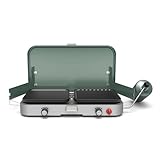
If the weather forecast looks bad for open-fire cooking, a reliable portable camping stove can be a lifesaver, ensuring you can still cook your pan de campo.
FAQ
What’s the best fat to use for pan de campo?
Lard is traditional and gives a fantastic flavor and texture. Vegetable oil is a good alternative if lard isn’t available or preferred.
Can I make pan de campo without a campfire?
Absolutely. A cast-iron griddle or skillet over a camp stove works great. Just aim for medium-high heat.
Absolutely. A cast-iron griddle or skillet over a portable camping stove works great. Just aim for medium-high heat.
How thin does the dough need to be?
You want it pretty thin, about 1/16 to 1/8 of an inch. This helps it cook through quickly over the fire.
Why is my pan de campo tough?
Likely you either under-kneaded the dough or didn’t let it rest long enough. Both steps are crucial for a tender result.
How do I know when it’s cooked?
It should be golden brown on both sides, with some nice char marks. It might puff up a bit. It should sound a little hollow when you tap it.
Can I make the dough ahead of time?
You can mix and knead the dough at home, then store it in a sealed bag in a cooler for a day or two. Just let it come to room temp before shaping and cooking.
What if I don’t have a grate for my campfire?
A cast-iron skillet or griddle placed directly on the coals (or on rocks around the fire) can work, but be careful with heat control.
Is pan de campo supposed to be crispy or soft?
It’s usually a bit of both. The edges can get nicely crispy, while the center remains a bit softer. It depends on how thin you roll it and how long you cook it.
What this page does NOT cover (and where to go next)
- Specific regional variations or historical recipes for pan de campo. (Search for “traditional pan de campo recipes” or “regional Mexican flatbreads.”)
- Detailed campfire management techniques. (Look for guides on “campfire safety” or “managing coals for cooking.”)
- Advanced backcountry water purification methods. (Explore topics like “gravity filters” or “chemical water treatment.”)
- Comprehensive wildlife safety protocols for specific animals. (Consult resources on “bear safety” or “wildlife encounters.”)
- Legal aspects of backcountry camping and fire permits. (Check with the specific land management agency, like the USFS or BLM, for their regulations.)

Camping Bob has spent over 20 years camping across the US — from BLM dispersed sites in the Southwest to KOA campgrounds in the Pacific Northwest. He writes practical, no-nonsense guides to help fellow campers get outdoors with confidence.