
Lighting Your Wood Burner Safely and Efficiently
Quick answer
- Gather tinder, kindling, and fuel wood.
- Ensure good airflow from the start.
- Use a long match or lighter.
- Light the tinder at the bottom.
- Add kindling as flames grow.
- Gradually introduce fuel wood.
- Monitor the stove and adjust as needed.
What to check first (do this before you drive out)
Before you even think about striking a match, there are a few crucial things to get sorted. This isn’t just about getting a fire going; it’s about doing it right and staying safe out there.
- Land manager / legality: Who’s in charge of this patch of dirt? Is it National Forest, BLM, a state park, or private land? Each has its own set of rules. You need to know if campfires are even allowed and if there are any specific permit requirements. Ignorance isn’t a good excuse when the ranger shows up.
- Access/road conditions: Can your rig actually get there? Some spots are easy paved roads, others are rough tracks that laugh at a sedan. Check if it’s 2WD friendly, or if you need AWD/4×4. Mud, snow, or washouts can turn a quick trip into a serious ordeal. A little scouting or checking recent reports can save a lot of headache.
- Fire restrictions + weather + wind: This is non-negotiable. Are there burn bans in effect? Seriously, check the official agency website or call the ranger station. High winds are a fire hazard waiting to happen. Also, check the forecast – a sudden storm can douse your fire or make it impossible to get going.
- Water plan + waste plan (Leave No Trace): Got water nearby to put out your fire? If not, bring plenty. And what about trash? Pack it in, pack it out. This applies to your fire too. Make sure you can properly extinguish all embers when you’re done. Leave it better than you found it, always.
- Safety (wildlife, distance to help, comms): Know what critters are in the area and how to store your food. How far is the nearest town or ranger station? Cell service is often spotty. Let someone know where you’re going and when you expect to be back. Basic precautions go a long way.
Step-by-step (field workflow)
Alright, you’ve done your homework. Now, let’s get that stove singing.
1. Clear the area: Before anything else, make sure the stove is on a stable, non-combustible surface. Clear away any debris, dry leaves, or overhanging branches within a few feet.
- Good looks like: A clean, safe zone around your stove. No surprises waiting to catch fire.
- Common mistake: Thinking “it’s just a little bit of grass.” That stuff ignites faster than you can blink. Always err on the side of too much clearance.
2. Prepare your fuel: Gather your tinder (dryer lint, birch bark shavings, commercial fire starters), kindling (small, dry twigs and branches, pencil-lead to finger-thick), and fuel wood (larger, seasoned pieces that will sustain the fire).
- Good looks like: A neat pile of progressively larger, dry wood. You can easily grab what you need.
- Common mistake: Grabbing damp or green wood. It’ll smolder, smoke like crazy, and refuse to burn hot. Dry, seasoned wood is key.
For reliable ignition, consider using a dedicated campfire fire starter. They are designed to catch quickly and burn long enough to get your kindling going.
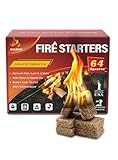
3. Open the air vents: Most wood stoves have adjustable air vents. Open them wide for starting. This gives the fire the oxygen it needs to take hold.
- Good looks like: Vents fully open, allowing maximum airflow.
- Common mistake: Forgetting to open the vents, or only cracking them. You’ll starve the initial flame and struggle to get it going.
4. Build a tinder nest: Place a good amount of tinder in the center of the firebox. Arrange it loosely so air can circulate through it.
- Good looks like: A fluffy, airy nest ready to ignite.
- Common mistake: Packing the tinder too tightly. It needs to breathe to catch a flame.
To ensure your tinder catches quickly and effectively, a good campfire fire starter can make all the difference. It provides a consistent flame to get your fire established.
5. Light the tinder: Use a long match or lighter to ignite the tinder at the bottom, in several spots if possible.
- Good looks like: The tinder catching quickly and burning with a lively flame.
- Common mistake: Using a short match and burning your fingers. Or only lighting one spot that flickers out.
6. Add kindling: As the tinder burns well, gently add small pieces of kindling over the flame. Don’t smother it. Build a small structure, like a teepee or log cabin, allowing air to flow.
- Good looks like: The kindling catching from the tinder and burning steadily, producing small flames.
- Common mistake: Piling on too much kindling too soon. You’ll smother the young flame and kill your fire before it starts.
7. Introduce fuel wood: Once the kindling is burning strongly and you have a good bed of coals, start adding your smallest pieces of fuel wood. Again, arrange them to allow airflow.
- Good looks like: The fuel wood catching from the kindling and establishing a steady, strong burn.
- Common mistake: Trying to burn a big log right away. It needs smaller wood to get hot enough to ignite. Patience, grasshopper.
8. Gradually increase fuel size: As the fire grows and the stove heats up, you can add larger pieces of fuel wood. Keep an eye on the airflow.
- Good looks like: A roaring fire with consistent flames, radiating good heat.
- Common mistake: Overloading the stove. This can lead to inefficient burning and creosote buildup. Don’t stuff it to the gills.
9. Adjust air vents: As the fire establishes, you can start to reduce the airflow slightly by closing the vents a bit. Find the sweet spot for a hot, efficient burn.
- Good looks like: A steady flame with minimal smoke from the chimney. You can control the burn rate.
- Common mistake: Closing the vents too much, too soon. This chokes the fire and creates smoke and creosote.
10. Monitor and maintain: Keep an eye on your fire. Add wood as needed, ensuring you don’t overload the stove. Check for any signs of smoke leaks or other issues.
- Good looks like: A well-maintained fire that keeps you warm and comfortable.
- Common mistake: Walking away and forgetting about it. Fires need supervision.
Common mistakes (and what happens if you ignore them)
| Mistake | What it causes | Fix |
|---|---|---|
| Using damp or green wood | Smoldering, excessive smoke, creosote buildup, poor heat output, hard to get going. | Use only dry, seasoned firewood. Store it properly to keep it dry. |
| Not enough airflow (vents closed) | Smothered fire, excessive smoke, creosote buildup, inefficient burning. | Open air vents fully when starting and adjust gradually as the fire grows. |
| Piling on too much wood too soon | Smothers the flames, prevents kindling from catching, leads to frustration. | Start small with tinder and kindling, gradually adding larger pieces as the fire establishes. |
| Overloading the stove | Inefficient burning, creosote buildup, potential for overheating or damage. | Load the stove with only what it can efficiently burn. Leave space for air circulation. |
| Not clearing the area around the stove | Fire hazard, potential for uncontrolled spread of flames. | Maintain a clear zone of at least 3 feet around the stove, free of flammable materials. |
| Using inappropriate tinder/kindling | Fire won’t start or dies out quickly, leads to frustration and wasted effort. | Use dry, easily ignitable materials like birch bark, dryer lint, or commercial fire starters for tinder. |
| Not monitoring the fire | Uncontrolled burn, potential for damage, fire hazard, wasted fuel. | Always supervise your fire. Add wood as needed and check for any issues. |
| Forgetting to extinguish embers properly | Wildfire risk, environmental damage, potential legal penalties. | Douse thoroughly with water, stir, and ensure all embers are cold to the touch before leaving the area. |
| Burning trash or treated wood | Toxic fumes, damage to the stove, environmental pollution, potential health risks. | Only burn clean, dry firewood. Treated wood and trash release harmful chemicals. |
| Ignoring fire restrictions | Wildfire, fines, legal trouble, damage to natural resources. | Always check and obey local fire restrictions before lighting any fire. |
Decision rules (simple if/then)
- If the air vents are closed, then the fire will struggle because it’s not getting enough oxygen.
- If the wood is damp, then it will smoke a lot and burn poorly because the moisture needs to evaporate first.
- If you see excessive smoke coming from the stovepipe, then you likely need more air or your wood isn’t burning efficiently because it’s too wet or the fire isn’t hot enough.
- If the flames are dying down but the wood isn’t fully burnt, then you need to add more kindling or smaller fuel wood because the fire’s heat is insufficient.
- If you are in a high wind area, then you must be extra vigilant about fire control and have a plan to extinguish it quickly because wind can spread embers rapidly.
- If you are unsure about fire restrictions, then you should not light a fire until you confirm legality because the risk of wildfire is too great.
- If the stove is cold and you are trying to start a fire, then open all air vents to maximum because the fire needs as much oxygen as possible initially.
- If the fire is burning too hot and fast, then you can partially close the air vents to reduce the oxygen supply and slow the burn rate because this controls the intensity.
- If you are camping in a designated fire ring, then you should use that ring and ensure it’s clear of debris because it’s designed for safety.
- If you hear crackling and popping but no substantial flames, then the tinder may have gone out and you need to add more or relight it because the initial ignition failed.
- If your fire produces very little heat, then check your wood dryness and airflow because one or both are likely suboptimal.
FAQ
Q: How much wood should I put in the stove at once?
A: Start with a few pieces. You don’t want to pack it too tight. Leave room for air to move around the wood so it burns efficiently.
Q: What’s the difference between tinder and kindling?
A: Tinder is what you light first – it catches a spark easily. Kindling is small, dry twigs that catch from the tinder and build the fire’s heat.
Q: My stove is smoking a lot. What’s wrong?
A: Usually, it’s not enough air or the wood is too wet. Make sure your vents are open and try some drier wood. Also, ensure the chimney isn’t blocked.
Q: Can I use newspaper to start my wood stove?
A: You can, but it burns very fast and can create a lot of ash. Dryer lint, birch bark, or commercial fire starters are often more effective and longer-lasting.
While newspaper works, a dedicated campfire fire starter offers a more reliable and longer-lasting flame to get your wood stove roaring.
Q: How do I know when my fire is hot enough to add larger logs?
A: When your kindling is burning strong and you have a good bed of glowing coals. The larger logs need that initial heat to catch properly.
Q: What if I accidentally start a fire outside the stove?
A: Stay calm. If it’s small, use water or dirt to smother it. If it’s growing, use your emergency communication device and evacuate to a safe distance.
Q: How do I properly extinguish a wood stove fire when I’m done?
A: Let the wood burn down to ash. Douse all embers thoroughly with water, stir them, and ensure they are cold to the touch before leaving.
Q: Is it okay to burn pine logs?
A: Pine burns fast and can produce more creosote than hardwoods. It’s okay for getting a fire going, but hardwoods are better for sustained heat.
What this page does NOT cover (and where to go next)
- Detailed maintenance schedules for specific wood stove models. (Check your stove’s manual.)
- Advanced techniques for achieving a perfect ember bed for cooking. (Look for campfire cooking guides.)
- Identifying specific types of toxic or dangerous wood. (Consult local forestry resources.)
- Troubleshooting complex stove malfunctions. (Contact a certified stove technician.)
- Legal requirements for transporting firewood. (Research state and federal regulations.)