
Keep Your Cooler Cold: Tips for Making Ice Last Longer
Quick answer
- Pre-chill everything: your cooler, your food, and your drinks.
- Use block ice over cubed ice for longer-lasting cold.
- Pack your cooler tight – less air means less melting.
- Keep the cooler closed as much as possible.
- Store your cooler in the shade, not in direct sun.
- Consider a second, smaller cooler for drinks.
- Dry ice is an option, but handle with care.
- Freeze water bottles for a dual-purpose ice pack.
What to check first (do this before you drive out)
Before you even think about packing, a little prep work goes a long way. This isn’t rocket science, but it’ll save you warm beers and sad sandwiches.
- Land manager / legality: Who owns the dirt you’re camping on? Is it National Forest, BLM land, a State Park, or private? Each has its own rules about campfires, waste, and sometimes even where you can park. Always check the managing agency’s website. I learned this the hard way once, ended up having to pack out everything.
- Access/road conditions: Is the road to your spot paved, gravel, or just a suggestion? Some forest service roads can get rough. Know your vehicle’s capabilities. A Subaru Outback might be fine for one spot, but you’ll need 4WD and good clearance for another. Mud, snow, or washouts can turn a quick trip into a major detour.
- Fire restrictions + weather + wind: Fire bans are no joke, especially out West. Check the local fire danger level. Also, look at the weather forecast. High temps mean faster melting. And don’t forget wind – it can chill you to the bone or dry out your campsite in a hurry.
- Water plan + waste plan (Leave No Trace): How are you getting water? Bring enough, or know where to filter/treat it. And what about trash? Pack it in, pack it out. This applies to food scraps and all your garbage. Leaving a trace is a rookie mistake.
- Safety (wildlife, distance to help, comms): Know what critters are in the area and how to store your food safely. How far are you from the nearest ranger station or town? Cell service is often spotty or non-existent. Tell someone where you’re going and when you expect to be back.
Step-by-step (field workflow)
Here’s how to get your cooler dialed in for maximum chill.
1. Gather your gear: Get your cooler, ice, and all the food and drinks you plan to bring.
- Good: Everything is ready to go.
- Mistake: Forgetting something crucial, like the ice, at the last minute. Avoid this by making a checklist and laying it all out the night before.
When gathering your gear, make sure you have a high-quality insulated cooler to start with. A good cooler is the foundation for keeping things cold.
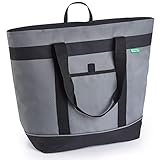
2. Pre-chill your cooler: Bring your cooler inside the night before, or put it in a shaded spot outside. The cooler itself absorbs heat, so warming it up means your ice melts faster.
- Good: The cooler feels cool to the touch.
- Mistake: Packing warm items into a warm cooler. This immediately starts melting your ice.
3. Pre-chill your food and drinks: Refrigerate everything that needs to be cold before it goes into the cooler.
- Good: Drinks are frosty and food is already cold.
- Mistake: Putting room-temperature items into the cooler. This is like giving your ice a head start on melting.
4. Choose your ice wisely: Block ice melts much slower than cubed ice. You can buy blocks or make your own by freezing water in large containers.
- Good: You have a big, solid block of ice.
- Mistake: Filling your cooler with only small ice cubes. They melt way too fast.
5. Layer your ice: Place a layer of ice at the bottom of the cooler. Then add your food and drinks, and top with more ice.
- Good: Ice surrounds your food and drinks.
- Mistake: Just dumping ice on top. This leaves the bottom and sides unprotected.
6. Pack it tight: Fill any empty space with more ice, frozen water bottles, or even crumpled newspaper. Air is the enemy of cold.
- Good: The cooler is packed full, with minimal air pockets.
- Mistake: Leaving large gaps. These spaces fill with warm air, speeding up melting.
7. Add frozen water bottles: These act as ice packs and provide drinking water as they melt.
- Good: You have a supply of cold water ready to go.
- Mistake: Not considering the melted water. If you need clean drinking water, freeze it in sturdy, reusable bottles.
For an eco-friendly and effective alternative to ice, consider using reusable ice packs. They’re great for keeping things cold and don’t create meltwater.

8. Minimize opening the cooler: Every time you open it, warm air rushes in. Plan ahead and grab everything you need at once.
- Good: You only open the cooler a few times a day.
- Mistake: Constantly digging through the cooler for one item. This is a recipe for warm contents.
9. Keep it in the shade: Direct sunlight will heat up your cooler quickly. Find a shady spot under a tree or use a tarp.
- Good: The cooler is always out of the sun.
- Mistake: Leaving the cooler sitting out in the open sun all day. It’s like putting it on a heater.
10. Drain excess water carefully: As ice melts, water can form. Some people drain it to keep things dry, others leave it because the cold water helps keep things cool. If you drain, do it sparingly.
- Good: You’ve managed the meltwater to your preference.
- Mistake: Draining all the meltwater immediately. The ice-cold water actually helps insulate the remaining ice.
If you prefer to manage meltwater, a reliable cooler drain plug can make the process much easier. Ensure yours is functioning well to avoid leaks.

Common mistakes (and what happens if you ignore them)
| Mistake | What it causes | Fix |
|---|---|---|
| Packing a warm cooler | Ice melts much faster | Pre-chill your cooler overnight. |
| Using only cubed ice | Ice melts too quickly | Use block ice or freeze large water containers. |
| Leaving air space in the cooler | Warm air circulates, melts ice faster | Pack the cooler as full as possible; use filler if needed. |
| Opening the cooler frequently | Constant influx of warm air | Plan ahead, grab what you need, and close it quickly. |
| Leaving the cooler in direct sunlight | The cooler’s exterior heats up, melting ice | Keep the cooler in the shade at all times. |
| Putting warm food/drinks in the cooler | Your ice is immediately working overtime | Chill all food and drinks thoroughly before packing. |
| Not telling anyone your plans | Rescue efforts delayed if something goes wrong | Always leave your itinerary with a trusted contact. |
| Ignoring fire restrictions | Fines, potential wildfire, and a bad time | Check local fire danger levels and bans before you go. |
| Underestimating road conditions | Getting stuck, vehicle damage, missed campsite | Know your vehicle’s limits and check road reports. |
| Not planning for waste removal | Damaging the environment, leaving a mess | Pack it in, pack it out. Leave No Trace principles are key. |
| Relying solely on cell service for comms | No signal means no contact | Carry a satellite messenger or personal locator beacon for remote areas. |
Decision rules (simple if/then)
- If your trip is longer than three days, then use block ice because it lasts significantly longer.
- If you’re car camping and have space, then bring two coolers: one for drinks and one for food, because this minimizes opening the food cooler.
- If you’re hiking in and weight is a concern, then freeze water bottles and use them as ice packs that become drinking water.
- If the forecast calls for extreme heat, then bring extra ice or plan for shorter trips because your ice won’t last as long.
- If you have a high-performance cooler, then you can get away with more cubed ice, but block ice is still superior for maximum duration.
- If you’re camping in bear country, then ensure your cooler is bear-resistant or stored properly in a bear box or vehicle.
- If you plan to drain meltwater, then do it sparingly, because the cold water helps insulate the remaining ice.
- If you’re going to be near a store, then plan to buy more ice halfway through your trip, because it’s often easier than packing enough for the whole duration.
- If you’re using dry ice, then ensure proper ventilation and wear gloves, because it can cause frostbite and suffocation.
- If you are unsure about road conditions, then call the local ranger station before you leave, because they will have the most up-to-date information.
FAQ
How long does ice typically last in a cooler?
It varies a lot. A cheap cooler packed with cubed ice might last a day, while a high-end cooler with block ice and careful management could keep things cold for a week.
What’s the difference between block ice and cubed ice?
Block ice has less surface area relative to its volume, so it melts much slower. Cubed ice melts faster but can fill spaces more easily.
Should I drain the meltwater from my cooler?
It’s a trade-off. Some people drain it to keep food dry, but the cold water actually helps insulate the remaining ice. If you drain, do it only when necessary.
Can I use frozen food as ice packs?
Absolutely. Frozen meals, vegetables, or even water bottles work great. Just make sure they’re well-sealed to prevent leaks.
What’s the best way to pack a cooler for a long weekend?
Pre-chill everything, use block ice on the bottom, layer food and drinks, fill all empty space, and keep it closed and in the shade.
Is dry ice better than regular ice?
Dry ice is much colder and lasts longer, but it’s also more expensive and requires careful handling to avoid burns and ensure ventilation.
How do I keep my cooler cold if I can’t find shade?
You can create shade with a tarp or umbrella. Some people even wrap their cooler in a blanket or sleeping bag, though this can get messy if it gets wet.
What if I run out of ice?
If you’re near a water source, you can use it to fill water bottles and chill them. Otherwise, it’s time to start eating the items that are most perishable first.
What this page does NOT cover (and where to go next)
- Specific campsite reservation systems and fees. (Check the official park or agency website.)
- Detailed bear-proofing techniques for specific regions. (Consult local wildlife agency guidelines.)
- Advanced cooler technology and performance comparisons. (Look for independent reviews and gear sites.)
- Recipes for campfire cooking. (Explore camping cookbooks and outdoor cooking blogs.)
- Detailed first-aid for wilderness emergencies. (Consider taking a wilderness first-aid course.)