
Keep Ice Cream Frozen Solid in Your Cooler
Quick answer
- Pre-chill your cooler and ice packs overnight.
- Pack your ice cream at the very bottom, surrounded by other frozen items.
- Use block ice or dry ice for longer-lasting cold.
- Minimize opening the cooler; have a plan for what you need.
- Pack dense, frozen foods around the ice cream.
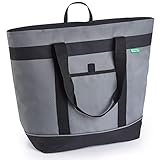
- Consider an insulated cooler bag for short trips.
For shorter trips or as an extra layer of insulation, consider using an insulated cooler bag.
What to check first (do this before you drive out)
Before you even think about packing the ice cream, a little prep goes a long way. This isn’t just about keeping your dessert solid; it’s about making sure your whole camping trip goes smoothly.
- Land manager / legality: Who’s in charge of where you’re going? Is it a National Forest, BLM land, a State Park? Each has its own rules about campfires, food storage, and general conduct. Always check the official website for the specific area. A quick look can save you a headache.
- Access/road conditions: Can your rig actually get there? Some spots are fine for a sedan, others need serious 4WD and clearance. Mud, snow, or washboard roads can turn a fun drive into a white-knuckle ordeal. Check recent reports if you can.
- Fire restrictions + weather + wind: This is crucial, especially for campfires. Are fires allowed? What’s the forecast? High winds can make campfires dangerous and also mess with your cooler’s ability to stay cold if it’s not sealed well.
- Water plan + waste plan (Leave No Trace): How are you getting water? Are you bringing it all? Where will your trash go? Leave No Trace principles are key here. Pack it in, pack it out. This applies to everything, including wrappers from that melted ice cream.
- Safety (wildlife, distance to help, comms): Be aware of local wildlife and how to store food properly to avoid attracting unwanted guests. Know how far the nearest ranger station or town is. Cell service is often spotty, so consider a satellite communicator if you’re heading deep into the backcountry.
Step-by-step (field workflow)
This is your game plan for ice cream survival. Follow these steps, and you’ll be scooping frozen goodness, not a sugary puddle.
1. Pre-chill your cooler:
- What to do: Put your cooler inside, in a cool garage or basement, for at least 12-24 hours before you pack.
- What “good” looks like: The inside of the cooler feels cold to the touch.
- Common mistake: Packing a warm cooler. It has to work twice as hard from the start. Avoid this by giving it time to chill.
2. Freeze your ice packs/bottles:
- What to do: Place all your ice packs, frozen water bottles, or even frozen food items in the freezer overnight.
- What “good” looks like: They are rock solid.
- Common mistake: Using partially frozen packs. They won’t last as long. Make sure they’re fully frozen.
For an eco-friendly and multi-purpose solution, consider using freezable water bottles instead of traditional ice packs. They keep your cooler cold and provide refreshing drinks as they melt.

3. Pack the bottom layer:
- What to do: Line the bottom of your cooler with your coldest items – block ice, frozen water bottles, or frozen meats/meals.
- What “good” looks like: A solid, cold foundation.
- Common mistake: Putting soft items or the ice cream itself at the bottom where they’ll be crushed or less protected.
4. Add the ice cream:
- What to do: Place your ice cream containers directly on top of the frozen bottom layer. Keep them in their original packaging if possible.
- What “good” looks like: The ice cream is nestled in a cold zone, with room around it for insulation.
- Common mistake: Leaving ice cream exposed at the top or sides. It melts fastest where it’s least protected.
5. Surround with more frozen items:
- What to do: Pack other frozen foods (like veggies, pre-made meals) around and on top of the ice cream.
- What “good” looks like: The ice cream is completely encased in frozen material.
- Common mistake: Leaving air pockets around the ice cream. Air is an insulator; you want dense, cold material.
6. Add block ice or dry ice (if using):
- What to do: If using block ice, place it on top of everything. For dry ice, handle with extreme care (gloves!) and place it on top, allowing ventilation.
- What “good” looks like: The ice is actively keeping things cold. Dry ice will sublimate (turn to gas).
- Common mistake: Not using enough ice, or using cubed ice which melts much faster than block ice. Dry ice is potent but requires careful handling.
7. Fill remaining space with frozen water bottles:
- What to do: Use frozen water bottles to fill any remaining gaps. As they melt, you’ll have cold drinking water.
- What “good” looks like: The cooler is packed tightly, minimizing air space.
- Common mistake: Leaving empty space. The less air, the better the insulation.
Maximize your cold retention and minimize air space by filling any remaining gaps with freezable water bottles. As a bonus, you’ll have cold drinking water later!
8. Seal the cooler tightly:
- What to do: Close the lid and ensure the latches (if any) are secured.
- What “good” looks like: A good seal that prevents warm air from getting in.
- Common mistake: Not closing the lid completely or leaving it open longer than necessary. Every second counts.
9. Keep it in the shade:
- What to do: Store your cooler out of direct sunlight. Under a tarp, in the shade of a tree, or inside your vehicle (if it’s not a solar oven).
- What “good” looks like: The cooler exterior is cool to the touch.
- Common mistake: Leaving the cooler sitting out in the sun all day. This defeats all your hard work.
10. Minimize opening:
- What to do: Plan your meals and snacks. Open the cooler only when absolutely necessary and retrieve what you need quickly.
- What “good” looks like: Quick access, minimal time with the lid open.
- Common mistake: Constantly rummaging through the cooler for a drink or snack. This lets all the cold air escape.
Common mistakes (and what happens if you ignore them)
| Mistake | What it causes | Fix |
|---|---|---|
| Packing a warm cooler | Ice melts twice as fast, food spoils quicker | Pre-chill cooler for 24 hours before packing. |
| Using cubed ice only | Melts too fast, less effective cooling | Use block ice or frozen water bottles; supplement with cubed ice if needed. |
| Leaving air space in the cooler | Warm air circulates, insulation is poor | Pack cooler tightly with frozen items and water bottles to fill gaps. |
| Opening the cooler frequently | Cold air escapes, warm air enters, ice melts fast | Plan your needs, retrieve items quickly, designate a separate cooler for drinks if possible. |
| Storing cooler in direct sunlight | Cooler exterior heats up, internal temp rises | Always keep cooler in the shade, covered with a blanket or tarp. |
| Not pre-freezing ice packs/bottles | Less cooling power, melts faster | Ensure all ice packs and water bottles are fully frozen solid before packing. |
| Packing ice cream at the top | Most exposed to warm air, melts first | Pack ice cream near the bottom, surrounded by other frozen items. |
| Using a cheap, thin-walled cooler | Poor insulation, leaks cold air easily | Invest in a quality cooler with thick walls and a good seal. |
| Not considering dry ice for long trips | Ice cream will likely melt on multi-day outings | Use dry ice carefully for extended trips, ensuring proper ventilation and handling. |
| Not planning for meltwater | Soggy packaging, potential for contamination | Use waterproof containers for ice cream, and drain excess water if needed (but not for drinking). |
To avoid the common mistake of using partially frozen packs, ensure all your freezable water bottles are completely solid before packing. This maximizes their cooling power.
Decision rules (simple if/then)
- If your trip is less than 4 hours, then a good quality cooler with pre-chilled ice packs might be enough because the temperature difference isn’t extreme.
- If your trip is longer than a day, then block ice or dry ice is highly recommended because it lasts much longer than cubed ice.
- If you’re camping in hot weather (80°F+), then you need to be extra diligent with pre-chilling and packing density because the ambient temperature works against you.
- If you have a high-performance cooler, then you can get away with slightly less ice because its insulation is superior.
- If you plan to open the cooler often for drinks, then consider a separate, smaller cooler for drinks so your main food cooler stays colder longer.
- If you’re using dry ice, then ensure there’s some ventilation because a sealed container can build up pressure.
- If your ice cream is in a cardboard container, then double-bag it in plastic to prevent water damage from melting ice.
- If you’re car camping, then you have more flexibility to bring multiple coolers or a chest freezer.
- If you’re backpacking, then forget the ice cream unless you’re using a very specialized, lightweight freezer system (which is rare).
- If you see condensation on the outside of your cooler, then it’s likely losing cold air and your ice is melting faster.
- If you want to drink the meltwater from your ice bottles, then make sure the bottles were clean and the water was potable to begin with.
If you plan to open the cooler often for drinks, then consider a separate, smaller insulated cooler bag for drinks so your main food cooler stays colder longer.
FAQ
How long will ice cream stay frozen in a cooler?
It depends heavily on the cooler quality, the amount and type of ice used, and how often it’s opened. A good cooler with block ice might keep ice cream frozen for 2-3 days, while a cheap cooler with cubed ice might only last a few hours.
What’s the best ice for keeping ice cream frozen?
Block ice lasts the longest because it has less surface area to melt. Dry ice is even colder and lasts longer, but requires special handling. Frozen water bottles are a good multi-purpose option.
While block ice is excellent, freezable water bottles offer a versatile alternative, providing both cooling and a source of potable water as they thaw.
Should I put ice cream at the top or bottom of the cooler?
Always pack ice cream near the bottom, surrounded by other frozen items. Cold air sinks, so this is the coldest part of the cooler.
What if I don’t have a cooler?
For very short trips (a few hours) and cool weather, an insulated bag with frozen packs might suffice. For longer trips, a cooler is essential for keeping ice cream frozen.
For very short trips (a few hours) and cool weather, an insulated cooler bag with frozen packs might suffice.
Can I use regular ice cubes?
Regular ice cubes will melt much faster than block ice. They’re better for keeping drinks cold for a short time but not ideal for long-term ice cream preservation.
How do I prevent my ice cream from getting soggy packaging?
Double-bag your ice cream containers in sturdy, waterproof plastic bags. This protects them from meltwater inside the cooler.
Is it okay if my ice cream melts a little and refreezes?
No, this is not recommended. Refrozen ice cream can have a grainy texture and may not be as safe to eat. Aim to keep it consistently frozen.
What about dry ice for camping?
Dry ice is extremely effective but requires caution. Wear gloves when handling it, and ensure your cooler has some ventilation, as it releases carbon dioxide gas.
What this page does NOT cover (and where to go next)
- Specific recipes for camping-friendly ice cream desserts.
- Detailed instructions for building DIY ice chests.
- Advanced thermoelectric or active cooling systems for camping.
- The physics of heat transfer in extreme environments.
- Legal regulations regarding food transport and storage in specific parks.

Camping Bob has spent over 20 years camping across the US — from BLM dispersed sites in the Southwest to KOA campgrounds in the Pacific Northwest. He writes practical, no-nonsense guides to help fellow campers get outdoors with confidence.