
How to Clean Your Tent Thoroughly
Quick answer
- Unpack and air out your tent immediately after a trip.
- Spot clean minor dirt and debris with a soft brush or cloth.
- For deeper cleaning, use a mild soap and water solution, never harsh chemicals.
- Always rinse thoroughly and air dry completely before storing.
- Check seams and zippers for damage after cleaning.
- Store in a cool, dry place, preferably in a breathable bag.
What to check first (do this before you drive out)
Before you even think about packing up for your next adventure, or if your tent is looking a bit rough after the last one, a little prep goes a long way. Think of it like checking your gear before a big hike – essential.
- Land manager / legality: Know who’s in charge. Is it National Forest land, BLM, a State Park? Each has its own rules, especially for dispersed camping. Check their official websites. Don’t assume.
- Access/road conditions: Not all campsites are paved. Is your rig up for it? Gravel roads, mud, or steep inclines can turn a fun drive into a headache. A quick look at recent trip reports or the land manager’s site can save you.
- Fire restrictions + weather + wind: This is non-negotiable. Fire bans can be serious business. Check the weather forecast too, obviously. High winds can make setting up camp a bear.
- Water plan + waste plan (Leave No Trace): Where are you getting water? How are you packing out trash and human waste? Plan this before you leave. Leave No Trace isn’t just a suggestion, it’s the law of the wild.
- Safety (wildlife, distance to help, comms): Know the local critters. Understand how far you are from emergency services. Cell service is often spotty, so have a backup plan for communication.
Step-by-step (field workflow)
Alright, let’s get this tent sorted. Whether it’s a quick clean-up after a trip or a deep dive, follow these steps.
1. Unpack and Inspect:
- What to do: Get everything out of the tent bag. Lay it all out on a clean surface, like your living room floor or a clean patch of grass.
- What “good” looks like: You can see every piece of the tent, poles, stakes, and rainfly. No forgotten snacks or muddy boots still inside.
- A common mistake and how to avoid it: Leaving it stuffed in the bag. This traps moisture and dirt, leading to mildew and fabric damage. Just take it out, man.
2. Initial Sweep and Brush:
- What to do: Use a soft brush (a clean paintbrush works great) or a dry cloth to brush away loose dirt, leaves, pine needles, and any other debris.
- What “good” looks like: The tent fabric is free of obvious surface gunk.
- A common mistake and how to avoid it: Rubbing hard with a rough brush. This can snag fabric and create holes. Gentle is key here.
3. Spot Cleaning:
- What to do: For small stains or sticky spots, dampen a cloth with plain water. Gently rub the affected area.
- What “good” looks like: The stain is gone or significantly reduced without damaging the fabric.
- A common mistake and how to avoid it: Using aggressive scrubbing or a harsh cleaner for a small spot. You might make it worse or create a weak point in the fabric.
4. Deeper Cleaning (if needed):
- What to do: If the tent is genuinely grimy, mix a small amount of mild soap (like dish soap, but very little) with cool or lukewarm water. Use a soft sponge or cloth to gently wash the tent.
- What “good” looks like: The tent fabric is clean and free of significant dirt and grime.
- A common mistake and how to avoid it: Using hot water or strong detergents. This can break down waterproof coatings and damage the fabric. Stick to mild and cool.
When deep cleaning, consider using a biodegradable camping soap to protect the environment while effectively cleaning your tent.

5. Rinse Thoroughly:
- What to do: This is critical. Use a hose on a gentle setting or a clean cloth dipped in plain water to rinse away all soap residue.
- What “good” looks like: No soapy film or suds remain on the tent.
- A common mistake and how to avoid it: Not rinsing enough. Leftover soap attracts dirt and can degrade the fabric over time. You gotta get it all off.
6. Clean Poles and Stakes:
- What to do: Wipe down the tent poles and stakes with a damp cloth. Ensure they are free of mud and debris.
- What “good” looks like: Clean, smooth poles and stakes ready for reassembly or storage.
- A common mistake and how to avoid it: Storing dirty poles. Grit can scratch the pole segments and make them harder to extend or collapse.
7. Dry Completely:
- What to do: Hang the tent, rainfly, and any other fabric components up to air dry. A clothesline, a sturdy tree branch, or even draped over furniture indoors works. Ensure good airflow.
- What “good” looks like: The tent is bone dry. Not even a hint of dampness, especially in the seams or corners.
- A common mistake and how to avoid it: Storing a damp tent. This is the fastest way to get mildew and that funky smell. Trust me, I learned this the hard way once. Smelled like a wet dog for months.
8. Inspect Seams and Zippers:
- What to do: While the tent is dry and you’re handling it, check all the seams for any fraying or loose threads. Test all zippers to make sure they run smoothly.
- What “good” looks like: Seams are intact, and zippers open and close without snagging.
- A common mistake and how to avoid it: Ignoring small tears or sticky zippers. These can lead to bigger problems on your next trip. A little repair now saves a lot of hassle later.
9. Apply Waterproofing (Optional):
- What to do: If your tent is older or has been through a lot, consider reapplying a waterproofing treatment to the rainfly and floor. Follow product instructions carefully.
- What “good” looks like: The fabric beads water effectively.
- A common mistake and how to avoid it: Using the wrong product or applying it unevenly. This can actually reduce waterproofing.
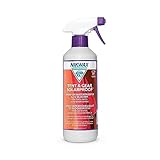
If your tent is older or has seen a lot of use, reapplying a tent waterproofing spray can significantly extend its life and keep you dry.
10. Pack It Up Right:
- What to do: Loosely fold or stuff the tent into its stuff sack or a breathable storage bag. Avoid tightly rolling it the same way every time.
- What “good” looks like: The tent is stored in a way that doesn’t stress the fabric or coatings.
- A common mistake and how to avoid it: Stuffing it back into its original tight-fitting bag after a rough roll. This creates permanent creases and can damage the fabric over time.
Common mistakes (and what happens if you ignore them)
| Mistake | What it causes | Fix |
|---|---|---|
| Storing a damp tent | Mildew, mold, permanent odors, fabric rot | Always air dry completely before storing. |
| Using harsh detergents/chemicals | Damaged waterproof coatings, weakened fabric | Use mild soap and water only. |
| Using hot water | Degraded fabric and coatings | Stick to cool or lukewarm water. |
| Not rinsing soap thoroughly | Attracts dirt, degrades fabric, reduces lifespan | Rinse until no suds are visible. |
| Scrubbing aggressively | Tears, snags, weakened fabric | Use soft brushes and cloths; be gentle. |
| Storing in a sealed plastic bag | Traps moisture, promotes mildew | Use a breathable bag or loosely stuff into the original sack. |
| Leaving dirt/debris on poles/stakes | Scratches, difficult deployment | Wipe them down after each trip. |
| Ignoring small tears or zipper issues | Major failures on a trip, water ingress | Repair promptly; lubricate zippers. |
| Tight rolling the same way each time | Permanent creases, fabric stress | Stuff or roll loosely, varying the fold. |
| Cleaning in direct, hot sunlight | Can damage fabric and coatings | Clean in shade or indoors. |
Decision rules (simple if/then)
- If you packed up in the rain, then air dry the tent for at least 24 hours before storing because moisture is the enemy of fabric.
- If you see visible mildew spots, then you need a more thorough cleaning with mild soap and water because spot cleaning won’t cut it.
- If the tent smells musty, then it’s probably not fully dry, or it’s been stored damp, so dry it again.
- If zippers are sticking, then use a graphite pencil or zipper lubricant because a smooth zipper is crucial for easy entry and exit.
- If seams look like they’re separating, then consider seam sealer because this is a common failure point for older tents.
- If you used the tent in a dusty, sandy environment, then a good brush-down is essential before any washing because sand can be abrasive.
- If you’re unsure about a cleaning product, then test it on an inconspicuous area first because you don’t want to damage the whole tent.
- If you are cleaning a down-filled sleeping bag, then use specialized down wash because regular soap will ruin the loft.
- If you notice the fabric is no longer beading water, then it’s time to reapply a DWR treatment because this keeps you dry.
- If poles are bent, then carefully try to straighten them or replace them because bent poles compromise the tent’s structure.
- If you plan to store the tent for a long time, then ensure it’s absolutely spotless and dry because long-term storage is where hidden issues can fester.
FAQ
How often should I clean my tent?
A quick brush-out and airing after every trip is ideal. A deeper clean is only needed when it’s visibly dirty or smells off.
Can I use a washing machine?
Generally, no. Front-loading machines on a delicate cycle with a tent-specific cleaner might be okay for some tents, but it’s risky. Handwashing is safer.
What’s the best way to dry my tent?
Air drying is best. Hang it up with good airflow, away from direct, harsh sunlight. Don’t use a machine dryer.
How do I deal with a ripped tent?
For small tears, use a patch kit. For larger rips, you might need professional repair or a new tent. Check seams too.
My tent smells funky. What do I do?
It’s likely mildew. Wash it thoroughly with mild soap and water, rinse well, and air dry completely. You might need a specialized cleaner for persistent odors.
Can I use bleach to clean my tent?
Absolutely not. Bleach will destroy the fabric and waterproof coatings. Stick to mild soap.
What about cleaning the rainfly separately?
Yes, the rainfly often gets the brunt of the weather. Clean it following the same principles as the tent body.
Is it okay to store my tent while it’s still a little damp?
Never. Even a little dampness can lead to mildew and serious damage. Patience is key here.
What this page does NOT cover (and where to go next)
- Detailed repair techniques for specific types of damage (e.g., seam tape delamination, broken zippers).
- Specific product recommendations for cleaning or waterproofing solutions.
- How to clean specialized camping gear like sleeping bags or camp stoves.
- Advanced tent maintenance for extreme conditions or very old/fragile tents.
- Choosing the right tent for your camping needs.

Camping Bob has spent over 20 years camping across the US — from BLM dispersed sites in the Southwest to KOA campgrounds in the Pacific Northwest. He writes practical, no-nonsense guides to help fellow campers get outdoors with confidence.