
How To Pack Plates Safely For Moving Or Storage
Quick answer
- Use sturdy boxes. Don’t overpack them.
- Wrap each plate individually. Bubble wrap or packing paper works.
- Place plates vertically. They’re stronger that way.
- Fill empty spaces. This stops shifting.
- Label boxes clearly. “FRAGILE: PLATES” is a good start.
- Keep heavy items separate. Don’t stack too many plate boxes.
What to check first (do this before you drive out)
Before you even think about packing up those dinner plates, a little prep goes a long way. This isn’t about the campsite, but about the move itself.
- Box Strength: Grab good, sturdy moving boxes. The ones from the grocery store? Yeah, those are a gamble. You want something that won’t bow out when you stack ’em. Think double-walled if you’ve got fancy china.
For reliable protection, consider investing in quality medium moving boxes. They’re designed to withstand the rigors of moving and storage.
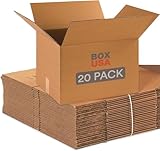
- Packing Materials: Gather your supplies. Bubble wrap, packing paper, maybe even some old towels or blankets if you’re in a pinch. You’ll need plenty of tape too.
A large bubble wrap roll is an essential item for protecting fragile plates. It provides superior cushioning compared to just packing paper.

- Space Assessment: Figure out where these boxes are going. If you’re moving, do you have a dedicated spot in the truck? If it’s storage, is the shelf strong enough? Plan it out.
- Weight Distribution: Plates can add up. Think about how much weight you’re comfortable lifting. Don’t make a box so heavy you throw your back out. I learned that lesson years ago trying to move a whole set of cast iron. Not pretty.
- Labeling Strategy: How will you know what’s what? A good label system is key. It saves you from pulling out the good china when you just need a plate for a quick snack.
Step-by-step (field workflow)
Here’s the game plan for packing those plates so they arrive in one piece.
1. Select the Right Box: Grab a medium-sized, sturdy moving box.
- Good: The box feels solid, no weak corners.
- Mistake: Using a flimsy box that bulges.
- Avoid: Test the box by pressing on the sides. If it gives easily, find another.
When selecting your box, a good quality medium-sized moving box will provide the necessary strength and space without becoming too heavy.
2. Line the Bottom: Put a generous layer of crumpled packing paper or bubble wrap at the bottom of the box.
- Good: A soft cushion that absorbs shock.
- Mistake: Leaving the bottom bare.
- Avoid: Make sure there’s at least a couple of inches of padding.
3. Wrap Individual Plates: Wrap each plate separately in packing paper or bubble wrap.
- Good: Each plate is fully covered and protected.
- Mistake: Stacking plates without wrapping them.
- Avoid: Fold the paper over the plate edges to provide extra cushioning.
For maximum safety, wrap each plate individually with a generous amount of bubble wrap. This creates a protective barrier against impacts.
4. Stack Plates Vertically: Place wrapped plates upright in the box, like records in a crate.
- Good: Plates stand on their edges, distributing weight better.
- Mistake: Laying plates flat on top of each other.
- Avoid: This is a big one. Vertical is the way.
5. Add Cushioning Between Layers: If you have multiple plates in one stack, add crumpled paper between them.
- Good: Extra buffer to prevent chips and cracks.
- Mistake: Stacking them too tightly without any give.
- Avoid: Think of it as adding small pillows between each plate.
6. Fill Empty Spaces: Stuff any remaining gaps in the box with more crumpled paper or soft materials.
- Good: The contents don’t shift when you move the box.
- Mistake: Leaving air pockets.
- Avoid: Give the box a gentle shake; nothing should rattle.
7. Don’t Overpack: Stop adding plates when the box is about two-thirds to three-quarters full.
- Good: You can still easily add more padding on top.
- Mistake: Cramming the box to the brim.
- Avoid: This makes the box too heavy and strains the seams.
8. Add Top Padding: Place another layer of crumpled paper or bubble wrap on top of the plates before closing the box.
- Good: Protects the top layer from impacts.
- Mistake: Closing the box directly on the plates.
- Avoid: Ensure there’s a soft landing for anything placed on top of this box.
9. Seal the Box Securely: Use strong packing tape to seal the top and bottom seams of the box.
- Good: The box stays shut during transit.
- Mistake: Using insufficient tape or weak tape.
- Avoid: Apply tape in an “H” pattern on both top and bottom for maximum security.
10. Label Clearly and Boldly: Mark the box on all sides with “FRAGILE: PLATES” and an arrow indicating the top.
- Good: Anyone handling the box knows to be careful.
- Mistake: Vague or missing labels.
- Avoid: Use a thick marker and make the text visible from a distance.
11. Note Contents (Optional but Recommended): Add a brief description of the plates inside (e.g., “Dinner Plates,” “Dessert Plates”).
- Good: Helps with unpacking and organizing.
- Mistake: Generic labels that don’t differentiate.
- Avoid: This saves time later when you’re looking for a specific set.
12. Stack Wisely: Place plate boxes on top of other sturdy boxes, but don’t stack them too high.
- Good: Stable stacks that won’t topple.
- Mistake: Stacking heavy boxes on top of plate boxes.
- Avoid: Keep heavier, sturdier items like books or canned goods on the bottom.
Common mistakes (and what happens if you ignore them)
| Mistake | What it causes | Fix |
|---|---|---|
| Using flimsy or undersized boxes | Box collapse, damaged plates, difficult to handle | Use sturdy, medium-sized moving boxes. Test their strength before filling. |
| Laying plates flat in the box | Plates can crack under pressure, especially if stacked | Always pack plates vertically, on their edges. |
| Not wrapping individual plates | Chips, cracks, and breakage from contact | Wrap each plate thoroughly with packing paper or bubble wrap before stacking. |
| Overpacking boxes with too many plates | Excessive weight, strained box seams, breakage | Keep boxes to about two-thirds full. Prioritize protecting the plates over maximizing box space. |
| Leaving empty space in the box | Plates shifting during transport, leading to cracks | Fill all voids with crumpled packing paper or soft materials to prevent movement. |
| Inadequate top and bottom padding | Damage from impacts to the top or bottom of the box | Ensure a thick layer of cushioning material on both the bottom and top before sealing. |
| Poorly sealed boxes | Box opening during transit, contents spilling | Use strong packing tape and seal all seams securely, forming an “H” pattern. |
| Unclear or missing labels | Confusion during unpacking, potential damage | Label boxes clearly on multiple sides with “FRAGILE: PLATES” and directional arrows. |
| Stacking heavy items on plate boxes | Crushing of the box and plates inside | Place plate boxes on top of lighter items or on the floor. Never stack heavy boxes on top of fragile ones. |
| Mixing plates with heavy or sharp items | Scratches, chips, and breakage from impact | Pack plates in their own dedicated boxes, separate from heavy appliances or sharp tools. |
| Trying to pack too many plates in one go | Rushing, leading to mistakes and breakage | Take your time. Pack plates in batches, focusing on doing each step correctly. |
Decision rules (simple if/then)
- If you have antique or valuable china, then use extra padding and a double-walled box because these items are irreplaceable.
- If the box feels too heavy when you lift it, then remove some plates because you risk injury and box failure.
- If you’re packing for a long-distance move, then use more bubble wrap than you think you need because the journey will be rougher.
- If you’re using a box that’s seen better days, then reinforce the seams with extra tape because it might be weaker than it looks.
- If you have very large or unusually shaped plates, then consider custom padding or specialized boxes because standard methods might not suffice.
- If you can hear rattling when you gently shake a packed box, then add more filler material because the plates are likely shifting.
- If you’re storing plates for an extended period, then ensure the box is sealed well against moisture and pests because long-term storage requires extra protection.
- If you’re moving them yourself without professional movers, then be extra careful about how you label and stack them because you’re in charge of their safety.
- If you’re in a hurry, then consider putting fewer plates in each box and making more boxes because speed often leads to breakage.
- If you’re using packing paper, then use plenty of sheets per plate because it’s the layering that provides protection.
- If you’re using bubble wrap, then ensure the bubbles are facing inward towards the plate because this creates a softer cushion.
- If you’re unsure about a plate’s fragility, then treat it as extremely delicate because it’s better to be overprotective.
FAQ
Q: Can I use newspaper to pack plates?
A: Newspaper can work in a pinch, but be aware that the ink can transfer onto lighter colored plates. It’s also less protective than packing paper or bubble wrap.
Q: How many plates should I put in one stack inside the box?
A: It depends on the thickness and material of your plates. Generally, keep stacks to 5-10 plates, with plenty of padding between them.
Q: Should I pack plates by type (dinner, salad, etc.)?
A: Yes, it’s a good idea. Packing similar sized plates together makes for a more stable stack and easier unpacking.
Q: What if I don’t have enough boxes?
A: Don’t try to cram plates into inadequate containers. It’s better to leave some behind or find more suitable boxes.
Q: How do I handle serving platters or oddly shaped dishes?
A: These often need extra padding and might be best packed individually in their own small box or wrapped thoroughly and placed carefully in a larger box.
Q: Is it okay to put other kitchen items in the same box as plates?
A: Generally, no. Plates are fragile and should have their own dedicated boxes to avoid damage from heavier or sharper items.
Q: How do I know if a box is packed too heavy?
A: If you can’t comfortably lift and carry the box without straining, it’s too heavy. Aim for boxes that are manageable.
Q: What’s the best way to protect the rims of the plates?
A: Ensure the packing paper or bubble wrap fully covers the rim and extends slightly beyond it. Placing them vertically also helps.
What this page does NOT cover (and where to go next)
- Detailed advice on packing specific types of antique or collectible dinnerware.
- Recommendations for professional moving companies or storage unit services.
- Insurance options for fragile items during a move.
- How to pack other types of kitchenware like glassware or cookware.
- Specific packing methods for moving an entire household.

Camping Bob has spent over 20 years camping across the US — from BLM dispersed sites in the Southwest to KOA campgrounds in the Pacific Northwest. He writes practical, no-nonsense guides to help fellow campers get outdoors with confidence.