
How to Make S’mores Over a Campfire
Quick answer
- Gather your ingredients: graham crackers, marshmallows, and chocolate bars.
- Find a safe spot for your campfire.
- Roast your marshmallow to golden brown perfection.
- Assemble your s’more quickly while the marshmallow is gooey.
- Enjoy the sweet, sticky goodness.
- Always put out your fire completely when done.
What to check first (do this before you drive out)
Before you even think about toasting a marshmallow, a little prep goes a long way. Safety first, then s’mores.
- Land manager / legality: Who’s in charge of this patch of dirt? Is it National Forest, BLM land, a State Park, or private property? Each has its own rules. You don’t want to get hassled for setting up camp or, worse, a fire. Always check the official website for the specific area you’re headed to.
- Access/road conditions: Can your rig actually get there? Some forest roads are paved, others are gravel, and some are just suggestions. If it’s a high-clearance or 4WD road, make sure you’re equipped. Getting stuck miles from anywhere with no s’mores is a real bummer.
- Fire restrictions + weather + wind: This is crucial. Are campfires even allowed? Check for burn bans. Seriously. Then, look at the forecast. High winds and dry conditions are a recipe for disaster. A gentle breeze is nice; a gale is not.
- Water plan + waste plan (Leave No Trace): Bring enough water for drinking, cooking, and, importantly, putting out your fire. Plan for packing out all your trash, including wrappers and any uneaten s’more supplies. Leave it better than you found it.
- Safety (wildlife, distance to help, comms): Be aware of your surroundings. Know what wildlife is common in the area and how to store food properly. How far are you from a ranger station or town? Do you have cell service? A satellite communicator is a good backup for remote spots.
Step-by-step (field workflow)
Alright, you’ve done your homework. Time to get down to business.
1. Establish a safe fire pit:
- What to do: Find a spot away from trees, bushes, and overhanging branches. Clear a 10-foot diameter circle down to bare dirt. If there’s an existing fire ring, use it.
- What “good” looks like: A clean, safe area with no flammable material nearby. The fire should be contained.
- Common mistake: Building a fire too close to dry grass or under low branches.
- How to avoid it: Always do a 360-degree scan of your surroundings. If in doubt, move it or don’t build it.
2. Gather firewood:
- What to do: Collect dry, dead wood from the ground. Look for branches that snap easily. Never cut live trees or branches.
- What “good” looks like: A good pile of various sizes, from small tinder to larger logs, all dry.
- Common mistake: Using wet or green wood.
- How to avoid it: If wood bends instead of snaps, it’s probably too wet or green. Look for standing deadwood if the ground is damp.
3. Build your fire:
- What to do: Start with tinder (dry leaves, bark) in the center, add small twigs, then gradually larger pieces of wood. Light the tinder.
- What “good” looks like: A steady flame that catches the larger wood.
- Common mistake: Piling on too much wood at once.
- How to avoid it: Start small and build up. Give the fire air.
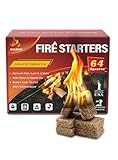
To make building your fire easier, consider bringing a reliable campfire fire starter. It can help get your tinder going quickly and efficiently.
4. Let the fire burn down:
- What to do: Allow the wood to burn down to a bed of glowing coals.
- What “good” looks like: A stable, hot fire with lots of embers, not just roaring flames.
- Common mistake: Trying to roast marshmallows over tall, wild flames.
- How to avoid it: Patience. Coals provide a more even heat for roasting.
5. Assemble your s’more components:
- What to do: Break graham crackers in half. Place a piece of chocolate on one half.
- What “good” looks like: Everything ready to go right next to the fire.
- Common mistake: Fumbling for ingredients mid-roast.
- How to avoid it: Have your s’more station set up before you grab your marshmallow stick.
6. Select and prepare your roasting stick:
- What to do: Find a long, sturdy stick. If you don’t have one, a metal skewer or even a long twig will work. Make sure it’s clean.
- What “good” looks like: A stick that can reach the coals safely without you getting too close.
- Common mistake: Using a short stick.
- How to avoid it: Measure twice, cut once. Or just bring a dedicated skewer.
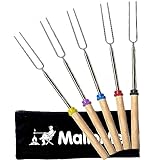
For the best roasting experience, we highly recommend using a good set of marshmallow roasting sticks. They’re long enough to keep you safe from the heat and perfect for achieving that golden-brown marshmallow.
7. Roast your marshmallow:
- What to do: Skewer a marshmallow onto your stick. Hold it over the coals, rotating slowly.
- What “good” looks like: A perfectly toasted marshmallow – golden brown and slightly melty, or charred if that’s your jam.
- Common mistake: Holding it too close and it catching fire, or not rotating it.
- How to avoid it: Keep it moving and adjust your distance from the heat. A little char is okay, but a flaming marshmallow is tough to eat.
8. Assemble and eat:
- What to do: Carefully slide the roasted marshmallow off the stick onto the chocolate-covered graham cracker. Top with the other graham cracker half. Gently press down.
- What “good” looks like: A perfectly constructed s’more, ready to be devoured.
- Common mistake: Dropping the marshmallow or having it slide off the chocolate.
- How to avoid it: Work quickly while the marshmallow is gooey. A gentle press helps everything stick.
9. Repeat:
- What to do: Make another one. And another.
- What “good” looks like: Happy campers, full bellies.
- Common mistake: Stopping too soon.
- How to avoid it: There’s no such thing as too many s’mores.
10. Extinguish the fire completely:
- What to do: Douse the coals with water, stir them with a shovel, and douse again. Repeat until there’s no heat and no smoke.
- What “good” looks like: Cold ashes. You should be able to touch them with your hand.
- Common mistake: Leaving a fire smoldering.
- How to avoid it: Be thorough. This is non-negotiable.
Common mistakes (and what happens if you ignore them)
| Mistake | What it causes | Fix |
|---|---|---|
| Not checking fire restrictions | Wildfire, fines, and a very bad day for everyone. | Always check official sources before you leave home and again upon arrival. |
| Using short sticks for roasting | Burnt fingers and dropped marshmallows. | Find or bring a stick at least 3 feet long. |
| Roasting marshmallows directly in flames | Burnt, inedible, flaming marshmallows. | Roast over hot coals, rotating slowly, for a golden-brown finish. |
| Not clearing the fire pit area adequately | Fire spreading to surrounding vegetation. | Clear a 10-foot radius down to bare dirt. Use existing rings when available. |
| Using wet or green firewood | Smoky, inefficient fire that’s hard to light and keep going. | Collect dry, dead wood from the ground. If it snaps easily, it’s good. |
| Forgetting to pack out trash | Littered campsites and negative impacts on wildlife. | Pack out everything you pack in, including wrappers, uneaten food, and charcoal. |
| Not bringing enough water for extinguishing | Leaving a fire that could reignite. | Always bring plenty of water specifically for fire suppression. |
| Driving on roads beyond your vehicle’s capability | Getting stuck, needing a tow, and potentially damaging your vehicle. | Research road conditions and know your vehicle’s limits. Stick to roads you can handle. |
| Not informing someone of your plans | Delays in search and rescue if something goes wrong. | Leave your itinerary with a trusted friend or family member, including your expected return time. |
| Ignoring wildlife warnings | Unpleasant encounters, potential injury to you or the animal. | Store food properly in bear-resistant containers or vehicles. Keep a clean camp. Know local wildlife behavior. |
| Assuming cell service will be available | Inability to call for help in an emergency. | Carry a satellite communication device for areas with no cell coverage. |
| Not having a backup plan for cooking | No dinner if the fire doesn’t work out or restrictions are in place. | Bring a camp stove as a reliable backup for cooking. |
Decision rules (simple if/then)
- If there are any fire restrictions, then do not build a campfire because safety is paramount.
- If the wind is gusting strongly, then postpone roasting s’mores because it’s unsafe and difficult.
- If your vehicle can’t handle the road conditions, then find a different campsite because getting stuck is a major hassle.
- If you see dry grass or low-hanging branches near your fire pit, then clear them immediately because fire spreads fast.
- If you can’t find dry, dead wood, then don’t force it; consider a camp stove for cooking because wet wood makes for a miserable fire.
- If you are unsure about the legality of campfires, then check with the land manager before building one because ignorance isn’t an excuse.
- If you have a marshmallow that catches fire, then blow it out gently and let it cool before eating because molten sugar burns.
- If you’re tempted to cut a live branch for a roasting stick, then stop and find a dead one because you shouldn’t harm living trees.
- If you are alone and venturing into the backcountry, then carry a satellite communicator because cell service is unreliable.
- If you’re unsure about the water situation, then bring extra water specifically for fire suppression because you can never have too much.
- If your s’more components are not ready before you start roasting, then you risk a dropped marshmallow or a burnt chocolate bar.
- If the fire is not completely out and cold to the touch, then keep adding water and stirring because a smoldering ember can restart a fire.
FAQ
- What are the essential ingredients for s’mores?
You need graham crackers, marshmallows, and chocolate bars. Hershey’s is classic, but any good milk chocolate works.
If you’re looking for convenience, a s’mores kit can be a great option, providing all the essential ingredients in one package. It’s perfect for ensuring you don’t forget anything for your campfire treat.

- Can I make s’mores without a campfire?
Absolutely. You can use a gas stove, a charcoal grill, or even your oven broiler for a quick indoor fix. Just watch them closely.
- How do I get a perfectly toasted marshmallow?
The key is patience and rotation. Hold the marshmallow over hot coals, not flames, and turn it slowly until it’s golden brown and gooey.
- What if my marshmallow catches fire?
Don’t panic. Gently blow it out and let it cool for a minute. A little char is fine, but a fully engulfed marshmallow is usually too burnt to enjoy.
- Are there any specific rules about s’mores ingredients?
No official rules, but some people swear by specific chocolate brands or marshmallow types. It’s all about personal preference.
- How do I keep my s’mores from falling apart?
Assemble them quickly while the marshmallow is still melty. Gently pressing the top cracker down helps hold everything together.
- What’s the best way to clean up after making s’mores?
Pack out all wrappers and uneaten food. Make sure your fire is completely extinguished and the area is clean.
- Can I use different kinds of crackers or chocolate?
Sure! Some folks use chocolate chip cookies, or even dark chocolate. Experiment to find your favorite combo.
- Is it okay to roast more than one marshmallow on a stick?
It’s possible, but it makes them harder to control and increases the chance of dropping them. One at a time is usually best for perfect results.
What this page does NOT cover (and where to go next)
- Detailed campsite reservation systems and booking windows. Check Recreation.gov or state park sites.
- Specific bear-proofing techniques for food storage. Research local wildlife advisories.
- Advanced campfire building or fire-starting techniques. Look for bushcraft or survival guides.
- The finer points of campfire cooking beyond s’mores. Explore camp cooking blogs and cookbooks.
- Legal regulations for campfires in specific wilderness areas or national parks. Always consult the managing agency’s website.