
Brewing Coffee Over a Campfire: A Step-by-Step Guide
Quick answer
- Pack a good quality, heat-resistant pot or percolator.
- Bring fresh, coarse-ground coffee.
- Know your fire and how to control it.
- Use clean, filtered water.
- Stir often and watch for boil-overs.
- Let it settle before pouring.
- Clean up thoroughly, Leave No Trace.
What to check first (do this before you drive out)
Before you even think about brewing that first cup of campfire coffee, there are a few crucial things to check. This isn’t just about getting a decent brew; it’s about safety and respecting the land.
- Land manager / legality: Who’s in charge of the land where you’ll be camping? Is it US Forest Service, BLM, National Park Service, or a state park? Each has its own rules. You might need a permit, or dispersed camping might be allowed but with specific regulations. Always check the official website for the area.
- Access/road conditions: How are the roads looking? Is it a paved road, or are you heading into rougher territory? Know your vehicle’s capabilities. A standard car might be fine for a campground, but if you’re boondocking, you might need 4WD and good ground clearance. Mud, snow, or washouts can shut down access fast.
- Fire restrictions + weather + wind: This is a big one. Are there any fire bans in effect? Campfires are often the first thing to go when it’s dry. Check the local fire danger level and any specific restrictions. Also, look at the weather forecast. High winds are no joke around an open flame. A sudden gust can spread embers in seconds.
- Water plan + waste plan (Leave No Trace): Where are you getting your water? If you’re not near a potable water source, you’ll need to bring enough or have a reliable filter/purification method. And what about your coffee grounds and wastewater? Pack it all out. That’s the Leave No Trace way.
- Safety (wildlife, distance to help, comms): Be aware of your surroundings. Know what wildlife is common in the area and how to store your food properly. How far is the nearest town or ranger station if you need help? Do you have cell service? Consider a satellite communicator for remote areas.
Step-by-step (field workflow)
Alright, you’ve done your homework. The fire is going, and the smell of pine is in the air. Time to make some magic.
1. Gather your gear: You’ll need a heat-proof pot or percolator, your coffee grounds (coarse is best for cowboy style), water, a stirring utensil, and your favorite mug.
- What “good” looks like: Everything is organized and within easy reach of your fire pit.
- Common mistake: Forgetting one crucial item, like the stirring spoon. You’ll end up with a mess or burnt coffee. Keep a checklist.
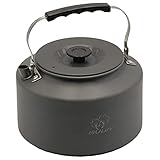
For brewing coffee over a campfire, a durable camping kettle is an essential piece of gear. Consider investing in a high-quality camping kettle that can withstand direct heat and is easy to clean.
2. Prep your fire: You want coals, not roaring flames, for brewing. Let your fire burn down to a bed of glowing embers.
- What “good” looks like: A stable, even bed of hot coals that will provide consistent heat.
- Common mistake: Trying to brew directly over high flames. This scorches the coffee and makes it hard to control the temperature. Let the fire mellow out.
3. Add water to your pot: Fill your pot or percolator with clean, cold water. How much depends on how many cups you want.
- What “good” looks like: The right amount of water for your needs, leaving some headspace for grounds and expansion.
- Common mistake: Overfilling the pot. This leads to boil-overs and a messy cleanup.
4. Add coffee grounds: For cowboy coffee (grounds directly in the pot), use about 2 tablespoons of coarse grounds per cup of water. For a percolator, follow its instructions.
- What “good” looks like: Evenly distributed grounds that will steep properly.
- Common mistake: Using fine grounds. They’ll make your coffee gritty and hard to settle. Coarse is key for cowboy coffee.
5. Place pot on coals: Carefully set your pot directly onto the hot coals or on a sturdy grate over them.
- What “good” looks like: The pot is stable and receiving steady, moderate heat.
- Common mistake: Placing the pot precariously. A tipped pot means lost coffee and a safety hazard.
6. Heat and stir: Bring the water to a gentle simmer. Stir the grounds into the water.
- What “good” looks like: The coffee is heating up, and the grounds are mixing well.
- Common mistake: Letting it come to a rolling boil too quickly. This can make the coffee bitter. Gentle heat is your friend.
7. Watch and stir periodically: As it heats, stir occasionally to keep the grounds from clumping and ensure even extraction. Don’t let it boil vigorously.
- What “good” looks like: You’re actively managing the heat and stirring to prevent scorching and bitterness.
- Common mistake: Walking away and letting it boil over. This wastes coffee and creates a sticky mess on your coals.
8. Remove from heat: Once the coffee has brewed to your liking (usually after a few minutes of simmering), carefully remove the pot from the heat.
- What “good” looks like: The pot is safely off the direct heat, ready to settle.
- Common mistake: Leaving it on the heat too long. This can over-extract the coffee, making it bitter.
9. Let it settle: This is crucial for cowboy coffee. Add a splash of cold water to the pot. This helps the grounds sink to the bottom. Let it sit for a minute or two.
- What “good” looks like: The grounds have settled, leaving a clear-ish liquid above them.
- Common mistake: Pouring too soon. You’ll end up with a mouthful of grit. Patience pays off.
10. Pour carefully: Slowly and steadily pour the coffee into your mug, trying to leave the settled grounds behind in the pot.
- What “good” looks like: A clean pour into your mug, with minimal grounds.
- Common mistake: Pouring too fast or tilting the pot too much. This stirs up the grounds and ruins the pour.
Once your coffee is brewed, carefully pour it into your favorite insulated camp mug to keep it warm. An insulated camp mug will ensure your delicious campfire coffee stays hot while you enjoy the outdoors.

11. Enjoy: Sip your hard-earned, delicious campfire coffee. Take a moment. You earned it.
- What “good” looks like: Pure satisfaction.
- Common mistake: Not savoring the moment. This is what camping is all about.
12. Clean up: Once you’re done, properly dispose of the grounds (pack them out!) and clean your pot. Douse your fire completely.
- What “good” looks like: Your campsite is cleaner than you found it.
- Common mistake: Leaving grounds behind or not fully extinguishing the fire. This harms the environment and can be dangerous.
Common mistakes (and what happens if you ignore them)
| Mistake | What it causes | Fix |
|---|---|---|
| Using fine-ground coffee | Gritty coffee, hard to settle, bitter taste | Use coarse-ground coffee, especially for cowboy style. |
| Brewing directly over high flames | Scorched coffee, bitter taste, difficult temperature control | Let the fire burn down to hot coals for consistent, gentle heat. |
| Not stirring enough | Grounds clump, uneven extraction, burnt spots | Stir occasionally as it heats to ensure even brewing. |
| Letting it boil vigorously | Bitter, over-extracted coffee, potential boil-over | Maintain a gentle simmer, not a rolling boil. |
| Pouring too soon after brewing | Gritty coffee in your mug | Let the grounds settle for a minute or two after removing from heat. |
| Not adding cold water to settle | Grounds stay suspended, gritty coffee | A splash of cold water helps the grounds sink effectively. |
| Leaving grounds in the pot | Messy cleanup, attracts critters | Pack out grounds or bury them far from water sources if allowed. |
| Not fully extinguishing the fire | Wildfire risk, environmental damage | Douse with water, stir, and feel for heat until completely cold. |
| Using dirty water | Unpleasant taste, potential illness | Use clean, filtered, or purified water. |
| Not having a stable setup for the pot | Spilled coffee, burns, wasted effort | Ensure your fire pit or grate is stable and the pot is secure. |
Decision rules (simple if/then)
- If the fire danger is high, then do not have a campfire because safety comes first.
- If you are in a designated campground, then check their specific rules regarding fires and coffee brewing because they might have restrictions.
- If you are dispersed camping, then check the land manager’s regulations for fire pits and waste disposal because you are responsible for leaving no trace.
- If the wind is strong, then consider skipping the campfire coffee or finding a sheltered spot because high winds are a fire hazard.
- If you only have fine coffee grounds, then consider using a cloth filter or a French press if you brought one because it will prevent grit.
- If your water source is questionable, then bring a water filter or purification tablets because you don’t want to get sick.
- If you are unsure about the road conditions, then check with local rangers or reliable sources before driving out because getting stuck is no fun.
- If you don’t have a grate, then ensure your fire pit is designed to hold a pot directly on coals because stability is key.
- If you hear your coffee starting to aggressively bubble, then reduce the heat immediately because it’s likely to boil over.
- If you want to avoid bitterness, then brew for a shorter time and use a gentle simmer because over-extraction is the enemy.
- If you are packing out all waste, then use a small bag for your used grounds because it’s the proper Leave No Trace method.
FAQ
Q: What’s the easiest way to make coffee over a fire?
A: Cowboy coffee is pretty straightforward. Just add coarse grounds to hot water in a pot, heat, let settle, and pour. It’s rustic and effective.
Q: Can I use my regular coffee maker?
A: No, a standard drip coffee maker won’t work over an open fire. You need heat-resistant cookware designed for direct heat.
Q: How do I keep my coffee from tasting smoky?
A: Use clean, dry hardwood for your fire, and let it burn down to coals. Avoid burning green wood or pine needles, as they create more acrid smoke.
Q: What if I don’t have a pot?
A: You can improvise with a heat-resistant metal container, but a dedicated camping pot or percolator is much safer and easier to use.
Q: How much coffee should I use?
A: A good starting point is about 2 tablespoons of coarse grounds per 6 ounces of water. Adjust to your taste.
Q: How do I clean my pot after making coffee?
A: Use hot water and a scrub brush. Pack out any coffee grounds; don’t just dump them.
Q: Is it okay to leave coffee grounds in the woods?
A: No, you should pack out all coffee grounds. They can alter soil pH and attract wildlife.
Q: What’s the difference between cowboy coffee and using a percolator?
A: Cowboy coffee involves steeping grounds directly in the pot. A percolator uses a basket and a tube to cycle hot water through the grounds for a more filtered brew.
Q: Can I make iced coffee over a campfire?
A: You can brew it hot and then let it cool, or bring pre-chilled water and ice. Brewing it hot and cooling it is generally best for flavor.
What this page does NOT cover (and where to go next)
- Specific campfire cooking techniques beyond coffee.
- Detailed fire-starting methods in adverse conditions.
- How to choose the best camping cookware for all situations.
- Advanced water purification systems.
- Detailed Leave No Trace principles for all scenarios.