
How To Make A Fire In The Wilderness Safely
Quick answer
- Always check fire restrictions before you go. Seriously.
- Know who manages the land. That dictates the rules.
- Gather fuel from dead and down wood only. Never cut live trees.
- Clear a 10-foot radius around your fire pit. No exceptions.
- Have water and a shovel ready. And know how to use them.
- Drown, stir, feel. Repeat until it’s cold.
What to check first (do this before you drive out)
Before you even think about striking a match, you need to do some homework. This isn’t optional.
- Land manager / legality: Who owns this patch of dirt you’re planning to camp on? Is it National Forest, BLM land, a State Park, or private property? Each has its own set of rules about campfires. A quick search for “[Land Manager Name] fire restrictions” will usually get you to the right place. Ignorance isn’t a defense, partner.
- Access/road conditions: Is the road to your spot washed out? Are there deep ruts or snow? Some places need a 4×4 and good clearance. Others are fine for a Subaru. Knowing this saves you a tow truck bill and a whole lot of frustration. I learned that the hard way once, stuck for hours in some sticky mud.
- Fire restrictions + weather + wind: This is critical. Fire bans can pop up overnight due to dry conditions. Check the official websites for the area you’re heading to. Also, look at the forecast. High winds and dry conditions are a recipe for disaster. If it’s howling, consider a camp stove instead.
- Water plan + waste plan (Leave No Trace): Do you have enough water to put out your fire completely? Don’t plan on using the lake or stream water without treating it first. And remember, Leave No Trace principles apply here. Pack out what you pack in, including any trash. Your fire pit should look like you were never there when you leave.
- Safety (wildlife, distance to help, comms): Are there bears or other critters around? Keep your food secure and your fire contained. How far is the nearest ranger station or town? Do you have cell service? Let someone know your plans. Basic stuff, but easy to forget when you’re excited to get out there.
Step-by-step (field workflow)
Alright, you’ve done your homework. The stars are aligned, the conditions are right. Time to build a fire.
1. Choose your spot.
- What to do: Find an existing fire ring if possible. If not, pick a spot on bare mineral soil or rock, at least 15 feet from trees, shrubs, and overhanging branches.
- What “good” looks like: A designated fire pit or a clear, safe patch of ground.
- Common mistake: Building a fire too close to vegetation. It’s a ticking time bomb.
2. Clear the area.
- What to do: Use a shovel to clear a 10-foot diameter circle around your chosen spot down to bare dirt. Remove all leaves, grass, pine needles, and other flammable materials.
- What “good” looks like: A 10-foot radius of bare earth, no flammable stuff in sight.
- Common mistake: Just kicking away a few leaves. You need to go down to the dirt.
3. Gather your fuel.
- What to do: Collect three types of wood: tinder (dry, fluffy stuff like birch bark, pine needles, or cottonwood fuzz), kindling (pencil-lead to finger-thick dry twigs), and fuelwood (wrist-thick and larger, dry and dead). Gather more than you think you’ll need.
- What “good” looks like: Piles of dry tinder, kindling, and fuelwood, sorted and ready.
- Common mistake: Not gathering enough fuel before you start the fire. You’ll be scrambling in the dark.
4. Build the fire structure.
- What to do: Place a generous pinch of tinder in the center of your cleared area. Lean kindling against it in a teepee or log cabin shape, leaving space for air.
- What “good” looks like: A stable structure that allows air to circulate to the tinder.
- Common mistake: Packing the kindling too tightly, choking off airflow.
5. Light the tinder.
- What to do: Use a long match or lighter to ignite the tinder. Shield it from wind.
- What “good” looks like: The tinder catches and burns steadily.
- Common mistake: Trying to light damp tinder or not shielding it from a breeze.
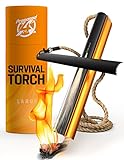
To make lighting easier, consider carrying a reliable camping fire starter kit. These kits often include waterproof matches, a ferro rod, or other tools to help ignite your tinder efficiently.
6. Feed the flames.
- What to do: As the kindling catches, slowly add more kindling, then gradually larger pieces of fuelwood. Don’t smother the young flames.
- What “good” looks like: A growing, healthy fire that consumes the wood.
- Common mistake: Adding too much wood too soon, causing it to die down. Patience, grasshopper.
7. Maintain the fire.
- What to do: Keep the fire contained within your ring. Add fuelwood as needed to keep it going. Never leave it unattended, even for a minute.
- What “good” looks like: A controlled fire that serves its purpose without spreading.
- Common mistake: Walking away from an active fire. It’s the oldest mistake in the book.
8. Extinguish the fire.
- What to do: Start this process at least 30 minutes before you plan to leave the campsite or go to bed. Spread out the embers and ashes with a shovel. Douse thoroughly with water. Stir the ashes and embers with the shovel. Douse again. Feel the ashes with the back of your hand (carefully!). If it’s too hot to touch, it’s too hot to leave.
- What “good” looks like: Cold, dead ashes. No heat, no smoke.
- Common mistake: Not using enough water or not stirring thoroughly. The fire is not out until it’s cold.
Common mistakes (and what happens if you ignore them)
| Mistake | What it causes | Fix |
|---|---|---|
| Ignoring fire restrictions | Fines, citations, and potentially starting a wildfire that costs millions. | Always check official sources before you go. If there’s a ban, use a camp stove. Period. |
| Not clearing a wide enough radius | Flames can jump to nearby dry grass or leaves, starting an uncontrolled fire. | Clear a full 10-foot circle down to bare mineral soil. No exceptions. |
| Cutting live trees or branches | Damages the environment and is often illegal. | Gather only dead and down wood. If you can’t find enough, make do with a smaller fire or go without. |
| Using accelerants like gasoline | Unpredictable flare-ups, burns, and potential explosion. | Use proper tinder and kindling. If you can’t start it with a match, there’s likely an issue with your fuel or technique. |
| Leaving a fire unattended | The most common cause of escaped campfires. | Never leave your fire. Assign someone to watch it if you need to step away briefly. If you’re leaving the campsite, the fire must be completely out. |
| Not having water and a shovel ready | Inability to control a small flare-up or extinguish the fire properly. | Always have a bucket of water and a shovel within arm’s reach of your fire. |
| Not fully extinguishing the fire | Sparks can reignite hours later, especially in windy conditions. | Drown, stir, feel. Repeat until cold. Make sure there are no hot embers or smoke. |
| Building a fire in high winds | High chance of embers being carried away and starting spot fires. | If it’s windy, skip the campfire. Use a camp stove for cooking and enjoy the stars without the risk. |
| Burning trash or plastic in the fire | Releases toxic fumes and leaves behind harmful residue. | Pack out all trash. Never burn anything other than natural wood. |
| Using damp or green wood | Creates excessive smoke, burns poorly, and is hard to ignite. | Gather only dry, dead wood. If it snaps easily and is light, it’s probably good. If it bends, it’s too green. |
If you’re struggling to get your fire going, a quality camping fire starter kit can make all the difference. It provides reliable tools to ignite your tinder even in less-than-ideal conditions.
Decision rules (simple if/then)
- If fire restrictions are in place, then do not build a campfire because it’s illegal and dangerous.
- If the wind is strong (over 15 mph), then consider skipping the campfire because embers can travel easily.
- If you cannot find an existing fire ring, then clear a 10-foot diameter area down to bare soil because it prevents fires from spreading.
- If you only have access to wet wood, then do not attempt to build a fire because it will be smoky and difficult to manage.
- If you plan to use a camp stove, then ensure it is functioning properly and you have enough fuel because it’s your backup plan.
- If you are on land managed by the National Park Service, then check their specific fire regulations because rules can vary by park.
- If you see any signs of wildlife near your fire pit, then store your food properly and keep the fire contained because animals can be attracted to fires and food scraps.
- If you are unsure about the legality of campfires in your area, then err on the side of caution and do not build one because it’s better to be safe than sorry.
- If you are in a desert environment, then be extra cautious about fire restrictions because vegetation is extremely dry and flammable.
- If you are planning a fire on a windy day, then have extra water and a shovel immediately available because you’ll need to react quickly to any escaped embers.
- If you are leaving your campsite, then ensure your fire is completely extinguished and cold to the touch because a smoldering fire can reignite.
- If you are in doubt about any aspect of fire safety, then consult a ranger or experienced outdoors person because knowledge is your best tool.
FAQ
How big should my campfire be?
Keep it small and manageable. A large bonfire is rarely necessary and harder to control. Aim for a size that provides warmth and light without being excessive.
What’s the best way to put out a campfire?
The “drown, stir, feel” method is best. Douse with water, stir the ashes and embers with a shovel, and repeat until it’s cold to the touch.
Can I burn trash in my campfire?
No, absolutely not. Burning trash releases toxic fumes and leaves harmful residue. Pack out all your trash.
What if I can’t find enough dry wood?
If you can’t find enough dead and down wood, it’s better to have a smaller fire or skip it altogether. Don’t cut live trees or branches.
How far away from my tent should the campfire be?
At least 15 feet, and preferably more, from tents, trees, shrubs, and overhanging branches. Clear a 10-foot radius around the fire pit.
When should I consider using a camp stove instead of a campfire?
Always consider a camp stove when fire restrictions are in place, when it’s windy, or when you’re in an area with limited firewood. They are often more efficient and eco-friendly.
What if I accidentally start a small wildfire?
Your immediate priority is to try and extinguish it if it’s small and you can do so safely. If it’s growing too fast, evacuate yourself and others to a safe location and call 911 or the local emergency number immediately.
How do I know if the wood is dry enough?
Dry wood is usually lighter in color, brittle, and will snap easily. Green or damp wood is heavier, bends without breaking, and will hiss or steam when burned.
What this page does NOT cover (and where to go next)
- Specific regulations for individual national parks or forests.
- Advanced fire-starting techniques for survival situations.
- Detailed information on building different types of fire structures (e.g., Dakota fire hole).
- How to properly maintain a campfire for extended periods.
- The legal ramifications of starting an illegal fire.