
How To Build A Safe And Enjoyable Campfire
Quick answer
- Check fire restrictions before you leave home. Seriously.
- Clear a 10-foot radius around your fire pit. No exceptions.
- Use existing fire rings whenever possible. Don’t build new ones.
- Keep water and a shovel nearby. Always.
- Never leave a fire unattended. Not even for a minute.
- Douse it completely with water and stir until cold. Then stir again.
What to check first (do this before you drive out)
Before you even think about packing the s’mores supplies, get your ducks in a row. A campfire is awesome, but it’s also a responsibility.
- Land manager / legality: Who’s in charge of the land you’re heading to? Is it National Forest, BLM, a State Park, or private land? Each has its own rules. The Forest Service, for example, often has seasonal fire bans. It’s your job to know.
- Access/road conditions: Can your rig actually get there? Some backcountry spots require 4WD and high clearance. Mud, snow, or washouts can make a road impassable. Don’t get stranded because you didn’t check the conditions.
- Fire restrictions + weather + wind: This is HUGE. Check the current fire restrictions for your specific area. Websites for the Forest Service or BLM are your best bet. Also, look at the weather forecast. High winds and dry conditions are a recipe for disaster. If it’s windy, skip the fire. Period.
- Water plan + waste plan (Leave No Trace): You need water to put the fire out. And I mean plenty of water. Don’t assume you’ll find a stream. Bring it with you. For waste, pack out everything you pack in. That includes food scraps, wrappers, and anything else that doesn’t belong in nature.
To ensure you have plenty of water for extinguishing your fire, consider bringing a reliable collapsible water container.

- Safety (wildlife, distance to help, comms): Be aware of your surroundings. Know what wildlife is common in the area and how to store food properly. How far is the nearest ranger station or town? Do you have cell service? A satellite communicator is a good idea for remote areas.
Step-by-step (field workflow)
Okay, you’ve done your homework and you’re at a legal spot. Time to get that fire going.
1. Choose your spot: Find an existing fire ring. This is the best way to minimize impact. If you absolutely must build a new one (and this is rare), pick a spot on bare mineral soil, away from trees, bushes, and overhanging branches.
- Good: A designated, well-maintained fire ring.
- Mistake: Building a fire ring on dry grass or near deadfall.
- Avoid: Always look for existing rings first. If you must build new, clear a 10-foot radius down to bare dirt.
2. Clear the area: Once you’ve picked your spot (preferably an existing ring), clear a 10-foot diameter around it. Get rid of all flammable material: dry leaves, pine needles, grass, twigs. Down to bare dirt.
- Good: A clean, 10-foot circle of bare earth around the fire pit.
- Mistake: Leaving even a few dry leaves near the edge.
- Avoid: Be thorough. A stray spark can travel surprisingly far.
A sturdy folding camp shovel is invaluable for clearing your fire area down to bare earth and for safely managing embers.

3. Gather your fuel: You need three types of wood:
- Tinder: Small, dry, fluffy stuff that catches a spark easily (birch bark shavings, dry grass, cotton balls with Vaseline).
- Kindling: Pencil-lead to finger-thick dry twigs.
- Fuelwood: Larger pieces, wrist-thick and up.
- Good: A pile of tinder, a stack of kindling, and a few larger pieces of dry, dead wood.
- Mistake: Bringing only huge logs. You’ll never get it started.
- Avoid: Gather wood that’s dead and down. Never cut live trees or branches. If you have to break wood, it’s probably too wet.
4. Build the structure: There are a few ways to do this. A simple teepee works well. Place your tinder in the center, lean kindling around it like a tent, then lean your fuelwood around the kindling. Leave gaps for air.
- Good: A structure that allows air to circulate freely.
- Mistake: Packing the wood too tightly, starving the flames of oxygen.
- Avoid: Think about airflow. You need oxygen for fire to burn.
5. Light the tinder: Use a lighter, waterproof matches, or a ferro rod. Light the tinder at the base.
- Good: The tinder ignites and the flame starts to catch the kindling.
- Mistake: Trying to light the big logs directly.
- Avoid: Start small. Get the tinder going first, then let it build to the kindling.
For reliable ignition, a quality camping fire starter kit can make lighting your tinder much easier, especially in damp conditions.
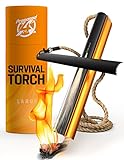
6. Feed the flames: As the kindling catches, gently add more kindling, then slowly introduce smaller pieces of fuelwood. Don’t smother the young flames.
- Good: The fire is growing steadily, with flames licking at the fuelwood.
- Mistake: Adding too much wood too quickly, causing it to die down.
- Avoid: Be patient. Let the fire establish itself before adding larger pieces.
7. Maintain the fire: Keep the fire manageable. Add fuelwood as needed, but don’t let it get out of control. Keep your 10-foot clear zone in mind.
- Good: A controlled fire that provides warmth and light without spreading.
- Mistake: Letting the fire get too big or straying too far from the pit.
- Avoid: Always keep an eye on your fire.
8. Extinguish the fire: This is the most critical step. Douse the embers with water. Stir them with a shovel. Repeat. You want to hear absolutely no sizzling.
- Good: The ashes are cool to the touch and you can run your hand through them.
- Mistake: Thinking it’s “out” because the flames are gone.
- Avoid: Douse, stir, feel. Repeat until cold. Seriously, I’ve seen near-disasters from this.
Always have a folding camp shovel on hand to stir the embers thoroughly when extinguishing your fire, ensuring it’s completely out.
Common mistakes (and what happens if you ignore them)
| Mistake | What it causes | Fix |
|---|---|---|
| Not checking fire restrictions | Wildfire, hefty fines, jail time, and guilt. | Check the land manager’s website <em>before</em> you leave. If bans are in place, no fire. |
| Building a fire on dry grass/leaves | Fire spreads rapidly, potentially causing a wildfire. | Clear a 10-foot radius down to bare dirt. Use existing fire rings. |
| Using wet or green wood | Lots of smoke, poor flames, and frustration. | Gather only dead, dry, downed wood. If it snaps cleanly, it’s likely good. |
| Leaving a fire unattended | Escaped embers can ignite surrounding vegetation, leading to a wildfire. | Never leave a fire. Assign someone to watch it if you need to step away briefly. |
| Not having water/shovel nearby | Inability to control a spreading fire, leading to potential wildfire. | Always have a bucket of water and a shovel within arm’s reach of the fire pit. |
| Not extinguishing completely | Smoldering embers can reignite hours or days later, causing a wildfire. | Douse with water, stir the ashes, feel for heat. Repeat until cold. I once saw a campfire flare up the next morning. Scary stuff. |
| Building a fire in high winds | Embers are easily blown long distances, igniting dry fuels. | If it’s windy, skip the fire. It’s not worth the risk. |
| Cutting live trees for firewood | Damages the ecosystem and is illegal in most public lands. | Use only dead, downed wood. If you can’t find enough, consider bringing your own or skipping the fire. |
| Not clearing enough space around the pit | Fire can creep under the surface or jump to nearby vegetation. | Maintain a minimum 10-foot clear zone. Be generous. |
| Using accelerants like gasoline | Uncontrolled flare-ups, burns, and potential explosions. | Rely on tinder and kindling. If you can’t start it with those, you have the wrong wood or technique. |
| Assuming a fire is out when flames are gone | Embers can remain hot for hours and reignite. | Douse, stir, and feel. Repeat until completely cold. |
Decision rules (simple if/then)
- If fire restrictions are in place, then do not build a fire because it’s illegal and dangerous.
- If the wind is gusting above 15 mph, then skip the campfire because embers will travel too easily.
- If you’re in a drought-prone area, then be extra cautious and consider skipping the fire even if not banned.
- If you can’t find an existing fire ring, then consider if a fire is truly necessary or if you can use a camp stove.
- If you have less than a gallon of water specifically for fire extinguishing, then don’t start a fire because you won’t be able to put it out properly.
- If you have to cut branches off a living tree, then stop and find more dead and downed wood.
- If you are tired or have been drinking, then let someone else manage the fire or put it out.
- If you see embers glowing, then it’s not out yet. Douse and stir again.
- If you’re unsure about the legality of fires in your area, then check the specific land management agency’s website.
- If your campsite is surrounded by dry grass or dense forest, then be extra vigilant about clearing your fire pit.
- If you packed out all your trash, then you’re probably thinking about safety and impact, which is good.
- If you’re planning on cooking over the fire, then make sure you have enough fuel to burn down to coals, not just flames.
FAQ
How do you make a campfire last longer?
Feed it consistently with dry, dense fuelwood. Avoid adding too much at once, which can smother the flames. Having a good bed of coals will also provide sustained heat.
What’s the best wood for a campfire?
Hardwoods like oak, maple, and hickory burn longer and hotter, producing good coals. Softwoods like pine and fir catch fire easily but burn faster. Always use dry, dead, downed wood.
Can I use charcoal to start a campfire?
No, charcoal is for grilling, not for building a recreational campfire. It can also be difficult to extinguish completely and can leave residue. Stick to natural wood fuel.
Is it okay to burn trash in a campfire?
Generally, no. Most trash, especially plastics and treated materials, releases toxic fumes when burned and leaves harmful residue. Pack out all your trash.
What if I see a wildfire?
If you see a wildfire, get to a safe location immediately and report it to the nearest ranger station or emergency services. Provide as much detail as possible about the location and size.
How much wood do I need for a campfire?
This depends on how long you want the fire to burn and what you’re using it for. For a simple evening campfire, a small armload of tinder, kindling, and fuelwood should suffice. For cooking, you’ll need more to create a good coal bed.
What’s the difference between a campfire and a bonfire?
A campfire is typically a smaller, controlled fire for warmth and cooking in a designated fire pit. A bonfire is a much larger fire, often for celebrations, and requires significantly more space and safety precautions.
How do I know if my fire is truly out?
It should be completely cold. You should be able to stir the ashes with your bare hand without feeling any heat or hearing any sizzling. If it’s too hot to touch, it’s too hot to leave.
What this page does NOT cover (and where to go next)
- Specific regulations for National Parks or Wilderness Areas (check their official websites).
- Advanced fire-starting techniques like friction fire (practice these in a safe, controlled environment).
- Cooking specific recipes over a campfire (look for campfire cooking guides).
- Identifying edible or medicinal plants in the wild (consult a local expert or guide).
- Building specialized fire structures like rocket stoves (these are often for efficiency, not recreational fires).