
How Long Cold Packs Stay Cold: A Practical Guide
Quick answer
- Most standard gel cold packs last 12-24 hours when kept frozen.
- Hard-sided coolers and insulated bags make a big difference.
- Pre-chill everything: the cooler, the food, and the cold packs.
- Pack dense, frozen items together.
- Use block ice or large frozen water bottles for longer cooling.
- Monitor internal temperature with a thermometer.
What to check first (do this before you drive out)
Before you load up and hit the road, a little prep goes a long way to keeping things frosty.
- Cooler Type & Condition: Is your cooler a flimsy soft-sided bag or a heavy-duty beast? The better the insulation, the longer it’ll keep ice. Make sure the lid seals tight and there are no cracks. I learned that the hard way on a long weekend trip.
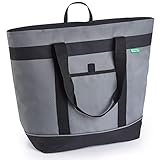
For optimal performance, consider upgrading to a high-quality insulated cooler bag, as it makes a significant difference in ice retention.
- Pre-Chilling: This is non-negotiable. Chill your cooler overnight in a cool spot, or even put blocks of ice in it for a few hours before packing. Same goes for your food and drinks – get them cold before they go in.
- Ice Strategy: Are you using loose ice, block ice, or frozen water bottles? Block ice melts slower than crushed. For multi-day trips, a combination is often best. And don’t forget to freeze your cold packs solid.
For consistent cooling, make sure to freeze your reusable ice packs solid, as they are a reliable alternative to traditional ice.

- Weather Forecast: Hot and sunny? Expect your ice to melt faster. Windy conditions can also affect how quickly heat transfers. Know what you’re up against.
- Water & Waste Plan: If your ice melts, you’ll have water. Plan for how you’ll manage that. If you’re in a place where you need to pack out meltwater, make sure you have sealed containers. And always practice Leave No Trace principles for any waste.
- Safety & Location: Know where you’re going. How far is the nearest town or help if something goes wrong? Do you have cell service? It’s good to have a plan, even if you don’t expect trouble.
Step-by-step (field workflow)
Here’s how to maximize your cold pack’s lifespan in the field.
1. Freeze Cold Packs Solid:
- What to do: Place your gel cold packs in the freezer until they are completely frozen through. This can take 12-24 hours, depending on the pack and your freezer.
- What “good” looks like: The cold pack should be rigid and feel rock-solid when you take it out. No soft spots at all.
- Common mistake: Not freezing them long enough. They’ll be partially frozen and won’t last. Avoid this by putting them in the freezer the day before you pack.
Ensure your reusable ice packs are completely frozen through for maximum effectiveness; this can take up to 24 hours.
2. Pre-Chill Your Cooler:
- What to do: Before packing, put your cooler in a cool place (like a garage or basement) for at least 12 hours. You can even put a bag of ice or a frozen water bottle inside it for a few hours beforehand.
- What “good” looks like: The inside walls of the cooler feel cold to the touch.
- Common mistake: Packing a warm cooler. The warm surfaces will immediately start melting your ice.
3. Pack Cold Items First:
- What to do: Load all your refrigerated food and drinks into the cooler. Make sure they are already cold.
- What “good” looks like: Everything going in is already at its target cold temperature.
- Common mistake: Putting warm or room-temperature food in. This introduces heat that your ice has to deal with first.
4. Add Your Frozen Cold Packs/Ice:
- What to do: Place your fully frozen cold packs strategically. Put larger blocks or frozen water bottles at the bottom. Fill in gaps with smaller packs or loose ice.
- What “good” looks like: The cold packs are packed tightly around and between your food items. Minimal air space.
- Common mistake: Leaving large air pockets. Air is an insulator, but it also holds heat. Pack tight.
5. Fill Remaining Gaps:
- What to do: Use smaller frozen items, towels, or even crumpled newspaper to fill any remaining empty space. The goal is to minimize air.
- What “good” looks like: The cooler is packed full, with very little room for things to shift or for air to circulate.
- Common mistake: Underpacking the cooler. A half-empty cooler loses ice much faster.
6. Seal the Lid Tightly:
- What to do: Close the cooler lid firmly, ensuring the seal engages all the way around.
- What “good” looks like: You hear a slight suction sound as the lid seals.
- Common mistake: Not sealing it properly. Any gap lets warm air in and cold air out.
7. Limit Opening the Cooler:
- What to do: Plan your meals and access items efficiently. Open the cooler only when necessary and close it immediately.
- What “good” looks like: You can grab what you need quickly without leaving the lid open for long.
- Common mistake: Constantly peeking or leaving the lid open while you decide what to eat. This is a major ice-killer.
8. Store in a Cool Location:
- What to do: Keep the cooler out of direct sunlight. If you’re at a campsite, put it in the shade, under a picnic table, or even wrap it in a blanket. In a vehicle, try to park in the shade.
- What “good” looks like: The cooler’s exterior is cool to the touch, not hot from the sun.
- Common mistake: Leaving the cooler in direct sun. The sun’s heat will accelerate melting dramatically.
9. Monitor Temperature (Optional but Recommended):
- What to do: Use a cooler thermometer to check the internal temperature periodically. Aim to keep it below 40°F (4°C).
- What “good” looks like: The thermometer consistently reads within the safe food storage range.
- Common mistake: Not knowing if your food is still safe. A thermometer provides peace of mind.
10. Replenish Ice if Needed:
- What to do: If you’re on an extended trip and your ice is significantly depleted, consider adding more ice or frozen packs if you have spares.
- What “good” looks like: You’ve managed to maintain a safe temperature throughout your trip.
- Common mistake: Assuming the ice will last forever and not adapting your strategy.
Common mistakes (and what happens if you ignore them)
| Mistake | What it causes | Fix |
|---|---|---|
| Not freezing cold packs completely | Reduced cooling time, food spoils faster. | Freeze overnight or 24 hours prior to packing. |
| Packing a warm cooler | Ice melts rapidly to cool the cooler itself. | Pre-chill the cooler for at least 12 hours. |
| Leaving large air pockets | Warm air circulates, accelerating ice melt. | Pack the cooler tightly with food, ice, and filler items. |
| Frequent or prolonged cooler opening | Constant influx of warm air melts ice quickly. | Plan access, be quick, and close the lid immediately. |
| Storing cooler in direct sunlight | Sun’s heat drastically speeds up ice melt. | Keep cooler in shade, cover with blanket, or store in vehicle in shaded spot. |
| Using only crushed ice | Melts much faster than block ice or frozen water bottles. | Use block ice or frozen water bottles as the base, supplement with crushed ice if needed. |
| Putting warm/room-temp food in cooler | Introduces heat that ice must overcome before cooling food. | Ensure all food and drinks are thoroughly chilled before packing. |
| Not checking cooler temperature | Unsure if food is safe, risk of spoilage and illness. | Use a cooler thermometer; aim for below 40°F (4°C). |
| Overpacking the cooler | Can damage the cooler or make it hard to seal properly. | Pack efficiently but leave a little room for the lid to close without force. |
| Not considering weather | Underestimating ice needs for hot or windy conditions. | Pack extra ice for hot days; be extra diligent about sealing and shade. |
Decision rules (simple if/then)
- If your trip is longer than 2 days, then use block ice because it melts slower than crushed ice.
- If the weather forecast is hot (above 80°F/27°C), then pack extra cold packs or ice because heat accelerates melting.
- If you plan to access the cooler frequently, then use a smaller, more accessible cooler for drinks and keep the main cooler packed tightly.
- If you are car camping and have access to power, then consider a portable electric cooler because they maintain a consistent temperature without relying on ice.
- If you are hiking or backpacking, then use lightweight, high-performance insulated bags and freeze-dried meals to reduce the need for extensive cooling.
- If your cooler is old or damaged, then consider investing in a better-insulated model because it will significantly improve ice retention.
- If you are concerned about food safety, then always use a cooler thermometer because it provides objective data on temperature.
- If you have a large, empty space in your cooler, then fill it with towels or crumpled newspaper because minimizing air space helps retain cold.
- If you are camping in bear country, then store your cooler in a bear-resistant container or hang it properly because it’s a safety priority.
- If you are leaving your campsite for the day, then ensure your cooler is in the deepest shade you can find because direct sun will ruin your ice.
- If you are packing raw meat, then double-bag it to prevent leaks and cross-contamination because melted ice can carry bacteria.
- If you are using a soft-sided cooler, then pre-chill it and pack it tightly because they offer less insulation than hard-sided options.
FAQ
How long do standard gel cold packs typically last?
Most standard gel cold packs, when fully frozen and placed in a well-packed, insulated cooler, can keep things cool for 12 to 24 hours. This can vary based on the size of the pack and the quality of your cooler.
Does the type of cooler matter for how long ice lasts?
Absolutely. A high-quality, roto-molded cooler with thick insulation will keep ice frozen much longer than a basic styrofoam or thin plastic cooler. The seal on the lid is also crucial.
Investing in a high-quality insulated cooler bag can dramatically extend how long your items stay cold, far outperforming basic models.
Should I put ice on top or bottom in my cooler?
It’s generally best to put your largest, slowest-melting ice (like block ice or frozen water bottles) at the bottom. Then, layer smaller ice packs or crushed ice on top and around your food. Cold air sinks.
What’s the difference between block ice and crushed ice for coolers?
Block ice melts much slower because it has less surface area exposed to the air. Crushed ice melts faster but conforms better to fill gaps around food items. A combination often works best.
How can I make my ice last longer in hot weather?
Keep your cooler in the shade, out of direct sunlight. You can also wrap the cooler in a blanket or sleeping bag for extra insulation. Limit how often you open it, and pre-chill everything.
What if my cold packs are partially thawed? Can I refreeze them?
Yes, you can refreeze partially thawed gel cold packs. Just ensure they are still mostly frozen and place them back in the freezer until completely solid again.
Is it okay to drink the water from melted ice?
Only if you are certain the ice was made from potable water and the cooler itself is clean. If you used lake or stream water to make ice, or if your cooler isn’t pristine, it’s best to treat that meltwater as potentially contaminated.
How do I know when my food is no longer safe to eat?
The general rule is to keep cold foods at or below 40°F (4°C). If a cooler has been above this temperature for more than 2 hours, or 1 hour if the ambient temperature is above 90°F (32°C), food may not be safe. When in doubt, throw it out.
What this page does NOT cover (and where to go next)
- Specific brand reviews of coolers or cold packs.
- Detailed food safety charts and temperature guidelines.
- Recipes for camping meals that don’t require refrigeration.
- Advanced techniques for multi-week expeditions.
- How to build a primitive ice chest or root cellar.

Camping Bob has spent over 20 years camping across the US — from BLM dispersed sites in the Southwest to KOA campgrounds in the Pacific Northwest. He writes practical, no-nonsense guides to help fellow campers get outdoors with confidence.