
Exploring the Size of Possum Kingdom Lake
Quick answer
- Possum Kingdom Lake stretches approximately 52 miles along the Brazos River.
- The lake’s surface area covers about 18,000 acres.
- It’s known for its deep, clear waters, with depths reaching up to 180 feet.
- The shoreline is extensive, winding and rugged, offering plenty of exploration.
- This size makes it a prime spot for boating, fishing, and water sports.
- Remember to always check current conditions before heading out.
What to check first (do this before you drive out)
Before you even think about packing the cooler, get a lay of the land. This isn’t just about knowing how big Possum Kingdom Lake is; it’s about making sure your trip goes off without a hitch.
- Land manager / legality: Who’s in charge here? Possum Kingdom Lake is managed by the Brazos River Authority (BRA). Knowing this helps you find official information on regulations, permits, and any specific rules for boating or camping. It’s always good to know who to ask if you have questions.
- Access/road conditions: How are you getting there? The roads around the lake can vary. Some areas might be paved and easy for a standard car. Others, especially to more remote coves or primitive camping spots, might require a vehicle with higher clearance or even 4WD. Mud after rain is a real thing, and you don’t want to get stuck.
- Fire restrictions + weather + wind: This is crucial, especially in Texas. Check the current fire ban status. A dry spell can mean no campfires allowed, period. Also, look at the weather forecast. Wind is a big deal on any lake, and strong gusts can make boating dangerous. Rain can change road conditions in a hurry.
- Water plan + waste plan (Leave No Trace): Are you bringing all your water, or is there potable water available? Plan accordingly. And what about trash? Pack it in, pack it out. Leave No Trace principles are key to keeping places like Possum Kingdom beautiful for everyone. Plan for where your waste goes.
- Safety (wildlife, distance to help, comms): Texas wildlife is generally chill, but be aware of your surroundings. Know how far the nearest hospital or ranger station is. Cell service can be spotty out on the water or in more secluded areas. Consider a satellite communicator if you’re going remote.
Cell service can be spotty out on the water or in more secluded areas. For reliable communication, consider a satellite communicator like the Garmin inReach.

Step-by-step (field workflow)
Alright, you’ve done your homework. Now let’s get out there and make it happen.
1. Arrive at your chosen access point.
- What to do: Get to the boat ramp or park entrance.
- What “good” looks like: You can easily find parking for your vehicle and trailer, and the ramp is clear.
- Common mistake: Showing up to a packed ramp on a holiday weekend without a backup plan. Always have a second or third option in mind.
2. Inspect your vessel and gear.
- What to do: Walk around your boat. Check the trailer tires, lights, and hitch. Make sure your safety gear (life jackets, fire extinguisher) is in place and good to go.
- What “good” looks like: Everything is secure, functional, and ready for the water.
- Common mistake: Forgetting to check the bilge plug. Water in the boat before you even launch is never a good start.
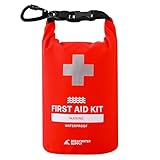
Make sure your safety gear (life jackets, fire extinguisher) is in place and good to go. It’s also wise to have a well-stocked marine first aid kit on board for any minor mishaps.
3. Launch your boat.
- What to do: Back your trailer down the ramp and carefully launch.
- What “good” looks like: A smooth, controlled launch with minimal fuss.
- Common mistake: Rushing the launch and dropping the trailer too deep, potentially submerging your tow vehicle’s rear end.
4. Secure your vehicle and trailer.
- What to do: Park your tow vehicle and trailer in the designated area.
- What “good” looks like: Your vehicle is safely parked and locked, and the trailer is secured.
- Common mistake: Leaving valuables visible in your truck cab. Out of sight, out of mind.
5. Familiarize yourself with the immediate area.
- What to do: Take a moment to look around. Note the nearest landmarks and any obvious hazards.
- What “good” looks like: You have a basic understanding of your starting point and immediate surroundings.
- Common mistake: Getting distracted by the excitement and immediately heading out without orienting yourself.
6. Check current conditions (again).
- What to do: Observe the water and wind. Talk to other boaters if possible.
- What “good” looks like: You have a real-time sense of the lake’s mood.
- Common mistake: Relying solely on the forecast you checked hours ago. Conditions can change fast.
7. Plot your course (loosely).
- What to do: Decide on a general direction or area you want to explore. If you have a GPS or map, consult it.
- What “good” looks like: You have a plan, even if it’s just “head upstream” or “explore that big cove.”
- Common mistake: Heading out with no idea where you’re going, leading to wasted time and fuel.
8. Operate at a safe speed and be aware of your surroundings.
- What to do: Maintain a safe speed, especially near the shore or other boats. Watch for submerged objects and other watercraft.
- What “good” looks like: You’re moving confidently but cautiously, respecting other users and the lake.
- Common mistake: Speeding in no-wake zones or getting too close to other boats, which can lead to collisions or wake damage.
9. Monitor your fuel and time.
- What to do: Keep an eye on your fuel gauge and the clock.
- What “good” looks like: You’re aware of how much fuel you have left and when you need to start heading back.
- Common mistake: Running out of gas far from shore. It’s a long swim.
10. Return to your launch point or a designated dock.
- What to do: Make your way back safely.
- What “good” looks like: You return without incident.
- Common mistake: Trying to dock or load the trailer in a hurry as daylight fades, leading to mistakes.
11. Load your boat and clean up.
- What to do: Carefully load your boat back onto the trailer. Clean up any trash from your vessel.
- What “good” looks like: Boat is secured on the trailer, and your area is cleaner than you found it.
- Common mistake: Leaving trash behind at the boat ramp. That’s just not cool.
12. Do a final sweep of the area.
- What to do: Before you leave the park or access point, take one last look around to ensure you haven’t left anything.
- What “good” looks like: You leave the area completely clear of your belongings and trash.
- Common mistake: Forgetting a fishing rod or a cooler on the dock. Been there.
Common mistakes (and what happens if you ignore them)
| Mistake | What it causes | Fix |
|---|---|---|
| Not checking fire restrictions | Fines, dangerous wildfires, damage to the environment. | Check the Brazos River Authority or local fire department website before you go. |
| Ignoring boat ramp etiquette | Delays for everyone, frustration, potential accidents. | Wait for your turn, have your boat ready to launch, and don’t block the ramp. |
| Underestimating wind and waves | Swamping, capsizing, being blown off course, dangerous conditions. | Watch the water and wind; don’t go out if conditions are rough. Turn back early if needed. |
| Not having enough life jackets | Fines, potential tragedy if someone falls overboard. | Ensure you have one Coast Guard-approved PFD for every person on board, properly sized. |
| Running out of fuel | Stranded on the water, expensive tow, potential safety hazard. | Monitor your fuel gauge regularly and plan your return trip with a buffer. |
| Not respecting “No Wake” zones | Erosion of shorelines, damage to docks, citations. | Observe posted speed limits and reduce speed to a minimum when near shore or other boats. |
| Leaving trash behind | Polluting the lake and surrounding areas, harming wildlife, ruining the experience. | Pack out everything you pack in. Use trash receptacles if available and properly dispose of waste. |
| Not checking weather forecasts | Unexpected storms, lightning, dangerous conditions leading to accidents. | Check the forecast right before you leave and keep an eye on the sky while on the water. |
| Driving too fast on rough roads | Tire damage, suspension issues, loss of control. | Slow down on unpaved or uneven roads; assess conditions before increasing speed. |
| Forgetting to secure loose items onboard | Items lost overboard, potential damage to the boat or other craft. | Stow or tie down all loose gear before you start moving. |
| Not knowing local boating laws | Citations, fines, and potential loss of boating privileges. | Familiarize yourself with BRA regulations and Texas boating laws. |
Decision rules (simple if/then)
- If the wind is gusting over 20 mph, then stay close to shore or consider postponing your trip because strong winds can make boat control difficult and increase the risk of capsizing.
- If you see a “No Wake” sign, then reduce your speed to a minimum because this is for shoreline protection and the safety of other boaters.
- If you are unsure about a submerged object, then steer clear of it because it could be a submerged log, rock, or marker that can damage your boat.
- If you are fishing and catch a fish that you plan to keep, then know the size and bag limits for that species because fishing regulations are in place to ensure sustainable populations.
- If you plan to camp overnight, then check for any fire restrictions first because Texas can be very dry, and open fires can be a major hazard.
- If you are approaching another boat head-on, then both vessels should pass on the starboard (right) side because this is a standard maritime rule for avoiding collisions.
- If you see a posted speed limit, then adhere to it because these limits are often in place for safety or environmental reasons.
- If your boat begins taking on water, then immediately engage the bilge pump and head to the nearest safe shore because a leak can quickly become a serious problem.
- If you are unfamiliar with the area, then carry a detailed map or GPS and pay attention to landmarks because Possum Kingdom Lake has many coves and can be disorienting.
- If you see wildlife on or near the water, then maintain a respectful distance and do not feed them because this can disrupt their natural behavior and make them dependent on humans.
- If you are operating a boat after sunset, then ensure all navigation lights are functioning correctly because visibility is reduced, and lights are essential for safety.
FAQ
How long is Possum Kingdom Lake?
Possum Kingdom Lake is about 52 miles long, following the winding path of the Brazos River. It’s a good stretch for a full day of exploring.
What is the surface area of Possum Kingdom Lake?
The lake covers approximately 18,000 acres of surface area. This gives you plenty of room to spread out and enjoy the water.
How deep is Possum Kingdom Lake?
The water can get quite deep, reaching up to 180 feet in places. This depth contributes to its clear water and makes it great for certain types of fishing.
Can I swim anywhere on Possum Kingdom Lake?
You can swim in most areas of the lake, but always be aware of boat traffic, submerged objects, and posted restrictions. Stick to designated swimming areas or coves if you’re unsure.
Are there public boat ramps on Possum Kingdom Lake?
Yes, the Brazos River Authority operates several public boat ramps around the lake, offering access for various types of watercraft.
What kind of fish can I catch at Possum Kingdom Lake?
It’s known for largemouth bass, striped bass, white bass, crappie, and catfish. Anglers often have a good time here.
Is it safe to drink the water from Possum Kingdom Lake?
No, you should never drink untreated water directly from the lake. Always bring potable water or have a reliable water purification system.
What are the main activities at Possum Kingdom Lake besides boating?
Besides boating, popular activities include fishing, waterskiing, wakeboarding, swimming, camping, and hiking in the surrounding state parks.
How do I find out about current lake conditions?
The best way is to check the Brazos River Authority website or contact local marinas and park offices. They usually have up-to-date information on water levels and any advisories.
What this page does NOT cover (and where to go next)
- Specific campsite availability and reservation details. Check the official Texas Parks and Wildlife Department or Brazos River Authority pages for this.
- Detailed fishing reports for specific species and locations. You’ll want to look for local fishing forums or guides.
- Detailed trail maps for hiking in the surrounding state parks. These are usually available from the park itself.
- Specific regulations for jet skis or personal watercraft. Always check the BRA’s site for the latest rules.
- Detailed emergency contact information for every ranger station. Have general emergency numbers saved, and know the nearest services to your location.

Camping Bob has spent over 20 years camping across the US — from BLM dispersed sites in the Southwest to KOA campgrounds in the Pacific Northwest. He writes practical, no-nonsense guides to help fellow campers get outdoors with confidence.