
Dry Ice Longevity in a Cooler: Factors to Consider
Quick answer
- Keep dry ice in an insulated cooler, not airtight.
- Block ice lasts longer than pellets.
- Size matters: bigger blocks mean longer sublimation.
- Vent the cooler; pressure build-up is dangerous.
- Temperature is key; colder ambient temps extend life.
- Avoid opening the cooler frequently.
- Pack it tight to minimize air space.
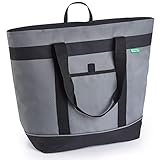
For optimal dry ice longevity, consider using a high-quality insulated cooler. A well-insulated cooler is crucial for maintaining low temperatures and slowing down sublimation.
What to check first (do this before you drive out)
Before you load up that cooler with dry ice, a few things need your attention. This isn’t just about keeping your food frosty; it’s about safety and making sure your dry ice actually does its job.
- Land manager / legality: For camping, this usually means checking with the National Forest Service (USFS), Bureau of Land Management (BLM), National Park Service (NPS), or state park agencies. They dictate what you can and can’t do, especially regarding fires and waste disposal. For dry ice, it’s less about land rules and more about safe handling and transport.
- Access/road conditions: Know your route. Is it paved all the way, or are you hitting dirt roads? A regular sedan might be fine for some spots, but others will demand AWD or high clearance. Mud, snow, or washouts can stop you cold. I learned that lesson the hard way once with a blown tire miles from anywhere.
- Fire restrictions + weather + wind: Crucial for any outdoor trip. Check burn bans before you go. Weather forecasts are your friend – know if you’re in for sun, rain, or gale-force winds. High winds can impact campfire safety and also how quickly things cool down (or heat up) in your cooler.
- Water plan + waste plan (Leave No Trace): Always have a solid plan for water. Can you filter or treat water at your destination, or do you need to pack it all in? And remember Leave No Trace principles. Pack out everything you pack in, including food scraps and any packaging. Dry ice itself sublimates into CO2 gas, which is fine, but any packaging it comes in needs to be disposed of properly.
- Safety (wildlife, distance to help, comms): Be aware of local wildlife. Know what to do if you encounter bears or other critters. Understand how far you are from the nearest ranger station or town. Cell service can be spotty out there, so consider a satellite communicator for emergencies. For dry ice, the main safety concern is handling it properly to avoid frostbite and ensuring adequate ventilation.
Step-by-step (field workflow)
Here’s how to get your cooler ready for dry ice and keep it working for your trip.
1. Acquire your dry ice.
- What “good” looks like: You get solid blocks or pellets from a reputable supplier. They should be very cold to the touch.
- Common mistake: Buying it last minute from a place that doesn’t specialize in it. This can mean lower quality, less dense ice that sublimates faster. Plan ahead.
2. Prepare your cooler.
- What “good” looks like: A clean, dry cooler that’s in good shape. No cracks or warped lids.
- Common mistake: Using a cooler with damaged seals or a lid that doesn’t close tightly. This lets warm air in and cold air out, drastically reducing how long the dry ice lasts.
To maximize the life of your dry ice, ensure you’re using a top-notch insulated cooler. A good cooler will have intact seals and a lid that closes tightly, preventing warm air from entering.
3. Pre-chill your cooler.
- What “good” looks like: The inside of the cooler is already cold before you add the dry ice.
- Common mistake: Throwing dry ice into a warm cooler. The dry ice will spend its initial energy just cooling the cooler itself, not keeping your food cold. A few hours with some regular ice packs or even some sacrificial ice works wonders.
4. Vent the cooler.
- What “good” looks like: The cooler lid can be opened and closed, and you don’t hear a constant hiss of escaping gas.
- Common mistake: Sealing the cooler completely. Dry ice turns into CO2 gas. If it can’t escape, pressure builds up, and it can rupture the cooler. This is a serious safety hazard. Leave the lid slightly ajar or use a cooler with a vent.
5. Wrap the dry ice (optional but recommended).
- What “good” looks like: Dry ice is wrapped in a layer or two of newspaper or a thick towel.
- Common mistake: Placing dry ice directly against plastic containers or thin-walled items. It can make them brittle and crack. Wrapping also slows sublimation slightly.
6. Pack the dry ice.
- What “good” looks like: Dry ice is placed at the bottom of the cooler, or strategically distributed.
- Common mistake: Putting it on top of your food. Cold air sinks. Placing it at the bottom ensures the coldest air flows over your items.
7. Pack your items.
- What “good” looks like: Food and drinks are packed snugly around the dry ice, with minimal air gaps.
- Common mistake: Leaving large empty spaces in the cooler. Air is an insulator, but too much air means less efficient cooling. Fill voids with towels or extra packing material if needed.
8. Minimize opening the cooler.
- What “good” looks like: You only open the cooler when absolutely necessary and close it quickly.
- Common mistake: Constantly peeking inside to check on things. Every time you open it, you let warm air in and cold air out, shortening the dry ice’s lifespan.
9. Monitor and replenish (if needed).
- What “good” looks like: You have a plan for how long the dry ice should last and a backup if you need more.
- Common mistake: Assuming the dry ice will last the entire trip without checking. Sublimation rates vary. If you’re on a multi-day trip, you might need to get more.
Common mistakes (and what happens if you ignore them)
| Mistake | What it causes | Fix |
|---|---|---|
| Sealing the cooler airtight | Pressure build-up, potential cooler rupture, explosion | Always vent the cooler; leave the lid slightly ajar or use a vented cooler. |
| Handling dry ice with bare hands | Severe frostbite, burns | Use heavy gloves, tongs, or a towel to handle dry ice. |
| Storing dry ice in an unventilated room | CO2 buildup, suffocation risk | Store only in well-ventilated areas or coolers designed for sublimation. Never in a car trunk. |
| Using a damaged or leaky cooler | Rapid sublimation, inefficient cooling | Use a high-quality, well-sealed cooler. Inspect seals and lids before use. |
| Placing dry ice directly on surfaces | Brittle materials can crack or shatter | Wrap dry ice in newspaper or a towel before placing it in the cooler. |
| Not pre-chilling the cooler | Wasted dry ice energy cooling the cooler | Pre-chill the cooler for several hours with regular ice or ice packs before adding dry ice. |
| Opening the cooler frequently | Faster sublimation, shorter lifespan | Only open when necessary and close quickly. Plan ahead to grab what you need. |
| Not having a plan for CO2 buildup | Disorientation, dizziness, potential suffocation | Ensure adequate ventilation at all times, especially in enclosed spaces or vehicles. |
| Assuming dry ice lasts indefinitely | Food spoilage, unexpected warming | Understand sublimation rates and plan for potential replenishment or a backup cooling method. |
| Overfilling the cooler with items | Reduced airflow around dry ice, less efficient cooling | Pack items snugly but allow some space for air circulation. Don’t pack so tightly it hinders cooling. |
Decision rules (simple if/then)
- If you need to transport dry ice in a vehicle, then ensure the vehicle is well-ventilated because CO2 gas is heavier than air and can displace oxygen.
- If you are camping in an enclosed tent with dry ice, then make sure the tent is pitched in an open, well-ventilated area because CO2 buildup is a serious risk.
- If the dry ice is making a hissing sound, then this is normal sublimation, but if the sound is very loud or the cooler is bulging, then vent it immediately.
- If you are using pelletized dry ice, then expect it to sublimate faster than block dry ice because it has more surface area.
- If the ambient temperature is very high, then the dry ice will sublimate faster because heat transfer is increased.
- If you are concerned about dry ice lasting a long trip, then consider bringing extra dry ice or using a combination of dry ice and regular ice.
- If you need to store dry ice long-term, then use a high-quality, insulated cooler and minimize opening it, but always maintain ventilation.
- If you notice condensation building up rapidly on the outside of the cooler, then this indicates warm air is getting in, and the dry ice is working overtime.
- If you are unsure about the handling or safety of dry ice, then consult the supplier or reliable safety resources before use.
- If you are transporting dry ice for more than a few hours, then consider using a heavily insulated cooler designed for dry ice.
If you need to store dry ice for an extended period, investing in a heavily insulated cooler designed for dry ice is highly recommended. This will significantly extend its lifespan.
FAQ
How long does dry ice typically last in a cooler?
It varies, but a 5-10 pound block can last 24-48 hours in a good cooler, depending on conditions.
Can I store dry ice in a regular refrigerator?
No. Refrigerators are designed to keep things cold, not frozen, and are sealed. Dry ice needs ventilation.
What’s the difference between block and pellet dry ice for longevity?
Block dry ice has less surface area and sublimates slower, lasting longer than pelletized dry ice.
Is it safe to sleep in a room with dry ice?
Only if the room is extremely well-ventilated. Dry ice releases CO2, which can displace oxygen and be dangerous.
What happens if my cooler bursts from dry ice pressure?
It can be dangerous, potentially causing damage to the cooler and nearby items. Always vent.
Can I put dry ice directly on food?
No. It’s extremely cold and can freeze or damage food. Always use a barrier like newspaper or a towel.
How do I dispose of leftover dry ice?
Let it sublimate completely in a well-ventilated area, away from people and pets.
Will dry ice keep things frozen indefinitely?
No. While very cold, it eventually sublimates completely. It’s best for short-term freezing or keeping things very cold.
What this page does NOT cover (and where to go next)
- Specific purchasing locations for dry ice.
- Detailed chemical properties of solid carbon dioxide.
- Advanced cooler insulation techniques.
- Recipes for using dry ice in beverages (always consult safety guidelines first).