
DIY Methods For Waterproofing Your Tent
Quick answer
- Clean your tent thoroughly before any waterproofing treatment.
- Use a commercial tent waterproofing spray for ease and effectiveness.
- Reapply treatments annually or after heavy use.
- Test for leaks with a hose or shower before heading out.
- Ensure proper ventilation to prevent condensation.
- Pack a small repair kit for minor tears.
What to check first (do this before you drive out)
Before you even think about packing the car, a little prep goes a long way. This isn’t just about keeping dry; it’s about making sure your gear lasts and you don’t end up a soggy mess miles from nowhere.
- Land manager / legality: Who owns the dirt you’re sleeping on? Is it National Forest, BLM land, a state park, or private property? Each has its own rules. A quick check on their official website or a call can save you a headache. Sometimes there are permit requirements or specific camping zones.
- Access/road conditions: Can your rig actually get there? Paved roads are one thing, but a logging road can turn into a mud pit fast. Know your vehicle’s capabilities – is it 2WD, AWD, or 4×4? What’s the ground clearance? A little research on recent conditions (forums, park websites) can prevent you from getting stuck before you even set up camp.
- Fire restrictions + weather + wind: This is a big one. Check the current fire danger levels and any burn bans. Seriously. A stray spark can ruin everything. Then, look at the weather forecast. Not just rain, but wind. High winds can make setting up a tent a wrestling match and can stress seams.
- Water plan + waste plan (Leave No Trace): Where will you get water? Is it potable, or do you need a filter/treatment? And what about waste? Pack it in, pack it out. Know the LNT principles for the area. It keeps the wild places wild.
- Safety (wildlife, distance to help, comms): What critters call this place home? Know how to store food properly. How far are you from the nearest ranger station or town? Cell service is often spotty. Tell someone where you’re going and when you expect to be back. A satellite messenger can be a good investment for remote trips.
Step-by-step (field workflow)
Getting your tent ready for the elements is key. This isn’t rocket science, but it needs a bit of attention.
1. Gather your supplies: You’ll need your tent, poles, stakes, a clean space, and your chosen waterproofing treatment.
- What “good” looks like: Everything is laid out, clean, and ready to go. No last-minute scrambling.
- Common mistake: Trying to treat a tent that’s still dirty or damp. This makes the treatment less effective and can lead to mildew. Always start with a clean slate.
2. Clean your tent thoroughly: Set up your tent in a clean, dry area. Use a soft brush or sponge and mild soap (like Nikwax Tent & Gear Solarwash) to gently scrub away dirt, grime, and old coatings. Rinse it thoroughly until all soap residue is gone.
- What “good” looks like: The tent fabric is spotless and free of any debris.
- Common mistake: Using harsh detergents or abrasive scrubbers. This can damage the fabric’s coating and weaken the material. Stick to gentle cleaning.
3. Dry your tent completely: This is crucial. Hang your tent or drape it over chairs in a well-ventilated area, out of direct sunlight. Let it air dry for at least 24-48 hours, or until you’re absolutely sure it’s bone dry.
- What “good” looks like: Not a hint of moisture anywhere, inside or out.
- Common mistake: Packing up a damp tent. This is a fast track to mildew and a stinky tent, plus it ruins waterproofing efforts.
4. Choose your waterproofing treatment: You have options. Commercial sprays (like Nikwax Tent & Gear SolarProof or Scotchgard) are popular and easy. You can also use a silicone-based treatment for older tents or a DWR (Durable Water Repellent) wash-in for fabric.
- What “good” looks like: You’ve selected a product suitable for your tent’s material and your needs.
- Common mistake: Using the wrong type of treatment. For example, using a solvent-based spray on a tent not designed for it can cause damage.
For an easy and effective solution, consider a reliable tent waterproofing spray like this one.
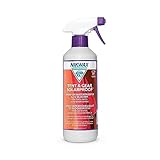
5. Apply the waterproofing treatment: Set up your tent again. If using a spray, hold the can about 6-8 inches away and apply an even coat to the outside of the tent fabric. Work in sections. For wash-in treatments, follow the product instructions carefully, usually involving a washing machine cycle.
- What “good” looks like: A consistent, even coating across the entire outer surface without drips or missed spots.
- Common mistake: Over-applying or under-applying the product. Too much can make the fabric heavy or sticky; too little means poor coverage.
When applying, ensure you get an even coat of your chosen tent waterproofing spray for the best protection.
6. Pay attention to seams and high-stress areas: These are the spots where water is most likely to find a way in. Ensure these areas get a good, even application of the waterproofing treatment.
- What “good” looks like: Seams look uniformly treated, and areas like pole sleeves and guy-out points have good coverage.
- Common mistake: Forgetting to treat the seams. This is where most leaks start.
7. Allow the treatment to cure: Let the tent air dry completely again. This can take several hours or even a full day, depending on the product and humidity. Do not pack it up until it’s fully dry.
- What “good” looks like: The fabric feels dry to the touch and doesn’t have a sticky or wet feel from the treatment.
- Common mistake: Rushing the curing process. This can lead to the treatment not bonding properly with the fabric, reducing its effectiveness.
8. Test for leaks: Once dry, set up your tent and lightly spray it with a hose or use a shower head on a gentle setting. Look for any areas where water beads up and rolls off. If you see water soaking in, you may need another coat in that spot.
- What “good” looks like: Water beads up and rolls off the fabric like on a freshly waxed car.
- Common mistake: Not testing before your trip. Discovering leaks in a downpour is no fun.
Common mistakes (and what happens if you ignore them)
| Mistake | What it causes | Fix |
|---|---|---|
| Not cleaning the tent first | Treatment won’t adhere properly; potential for mildew under the coating. | Clean tent thoroughly with mild soap and water before applying any treatment. |
| Using harsh cleaning chemicals | Damages fabric fibers and coatings, reducing lifespan and waterproofness. | Use only mild soap specifically designed for outdoor gear or gentle dish soap. |
| Drying the tent in direct sunlight | UV rays can degrade fabric and coatings, making them brittle and less effective. | Air dry in a shaded, well-ventilated area. |
| Applying treatment to a damp tent | Traps moisture, leading to mildew and poor treatment adhesion. | Ensure the tent is completely dry before treating. |
| Using the wrong type of waterproofing | Can damage fabric, not provide adequate protection, or be difficult to apply. | Research your tent material and choose a treatment specifically designed for it (e.g., nylon, canvas). |
| Uneven application of treatment | Creates spots that are less waterproof and can lead to premature wear. | Apply in thin, even coats, working in sections. |
| Not treating seams and stress points | Seams are common entry points for water; stress points can wear down faster. | Focus extra attention on seams, zippers, and guy-out points during application. |
| Not allowing treatment to cure fully | Treatment can remain sticky, attract dirt, and wash off prematurely. | Follow product instructions for drying and curing times. |
| Forgetting to reapply treatment | Waterproofing wears off over time and with use, leading to leaks. | Reapply annually or after significant use, checking for water beading. |
| Storing a dirty or damp tent | Promotes mildew growth and degrades fabric and coatings. | Always clean and thoroughly dry your tent before long-term storage. |
Decision rules (simple if/then)
- If your tent is brand new, then you might not need to waterproof it immediately because most new tents come with a factory DWR coating.
- If you’re camping in consistent, heavy rain, then prioritize a robust waterproofing treatment because you’ll need maximum protection.
- If you notice water starting to soak into the fabric (not just bead off), then it’s time to reapply waterproofing.
- If you’re treating an older tent with faded or peeling coatings, then a silicone-based treatment might be more effective than a simple DWR spray.
- If you’re treating a tent with a breathable membrane (like some backpacking tents), then check the manufacturer’s recommendations carefully to avoid damaging the membrane.
- If you’re using a wash-in treatment, then make sure your washing machine is clean and free of detergent residue because that can interfere with the treatment.
- If you plan to camp in very humid conditions, then ensure your tent is absolutely bone dry before treating and curing, as trapped moisture is a bigger issue.
- If you’re unsure about a specific product, then test it on an inconspicuous area first (like the inside of a stuff sack) to see how it reacts with the fabric.
- If you’re treating a canvas tent, then you’ll likely need a different type of treatment than for synthetic fabrics, often a wax-based or specific canvas treatment.
- If you’re going on a long trip with unpredictable weather, then it’s wise to bring a small bottle of waterproofing spray for quick touch-ups in the field.
If you’re going on a long trip with unpredictable weather, it’s wise to bring a small bottle of tent waterproofing spray for quick touch-ups in the field.
FAQ
How often should I waterproof my tent?
Most manufacturers recommend reapplying waterproofing annually, or after about 30-50 nights of use, especially if you’re camping in challenging conditions.
Can I just use a regular waterproofing spray on my tent?
It’s best to use products specifically designed for tents and outdoor gear. Regular sprays might contain chemicals that can damage tent fabrics or coatings.
What’s the difference between DWR and a full waterproofing treatment?
DWR (Durable Water Repellent) is a finish that makes water bead up and roll off. A full waterproofing treatment often involves a more substantial coating or sealant that penetrates the fabric for deeper protection.
Will waterproofing make my tent completely waterproof?
It significantly increases water resistance and helps prevent leaks, but extreme conditions or damaged seams can still allow some moisture in. Proper seam sealing is also key.
How do I know if my tent needs waterproofing?
If water no longer beads up and rolls off the fabric, but instead soaks in, it’s a good sign your tent’s waterproof coating has worn off.
Can I waterproof the inside of my tent?
Generally, you only waterproof the outside of the tent. Waterproofing the inside can affect breathability and may make the fabric feel clammy.
What about seam sealing?
Seam sealing is a separate but equally important step. Use a dedicated seam sealer to treat the stitching lines, especially on the floor and fly.
How long does a DIY waterproofing treatment last?
This varies based on the product used, the type of fabric, and how much the tent is used and exposed to the elements. Expect it to last at least one season for most treatments.
What this page does NOT cover (and where to go next)
- Specific product reviews and comparisons. (Next: Research tent waterproofing product reviews.)
- Detailed instructions for repairing rips and tears. (Next: Learn how to patch a tent.)
- Advanced techniques for restoring old or severely degraded tent fabrics. (Next: Explore professional tent restoration services or specialized canvas treatments.)
- Information on specific tent materials like Gore-Tex or eVent. (Next: Consult your tent manufacturer’s guide for material-specific care.)
- How to choose the right tent for your camping needs. (Next: Read guides on selecting tents based on season, capacity, and activity.)