
Deflating an Air Mattress with a Foot Pump
Quick answer
- Unroll the mattress, find the deflation valve.
- Open the valve completely.
- Press down on the mattress with your feet or knees.
- Roll it up tightly, starting from the end opposite the valve.
- Secure with straps or cord.
- Store in its bag.
What to check first (do this before you drive out)
Before you even think about packing up camp, a few quick checks will save you a world of hassle. It’s all about being prepared, right?
- Land manager / legality: Who’s in charge here? Is it the Forest Service, BLM, a state park? Knowing this helps you understand any specific rules for the area, like fire bans or permits. Always check the official website for the specific site or agency.
- Access/road conditions: Is that dirt road still passable after last night’s rain? If you’re in a 2WD sedan, you might be in for a muddy surprise. Know your vehicle’s limits and the terrain.
- Fire restrictions + weather + wind: Is it bone dry out there? Are there fire bans in effect? High winds can make deflating and packing a nightmare, and they’re a fire hazard. Check the local forecast and fire danger levels.
- Water plan + waste plan (Leave No Trace): Got enough water for the trip, and a plan for where it’s going to go when you’re done? Pack it in, pack it out is the golden rule. Don’t leave anything behind.
- Safety (wildlife, distance to help, comms): Are there any bears in the area? How far is the nearest ranger station or cell service? Let someone know where you’re going and when you expect to be back.
Step-by-step (field workflow)
Alright, time to pack up. Deflating that air mattress with a foot pump is pretty straightforward, but doing it right makes a big difference.
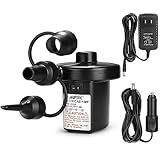
If you’re looking for a reliable way to inflate and deflate your air mattress, consider a versatile foot pump for air mattress. It makes the process much easier.
1. Locate the valve.
- What to do: Find the air valve on your mattress. These are usually pretty obvious.
- What “good” looks like: You can easily see and access the valve.
- Common mistake: Trying to deflate without opening the valve fully. This is like trying to drain a tub with the plug still in. Make sure it’s all the way open.
2. Open the valve.
- What to do: Twist or pull the valve open. Some have a simple twist-off cap, others have a plug you need to pull out.
- What “good” looks like: The valve is completely open, allowing air to escape freely.
- Common mistake: Only partially opening the valve. You’ll be there all day trying to get the air out.
3. Remove the foot pump.
- What to do: Disconnect the foot pump from the valve.
- What “good” looks like: The pump is detached, and the valve is still wide open.
- Common mistake: Forgetting to disconnect the pump. It’ll just get in the way.
Remember to disconnect your foot pump for air mattress before you start the manual deflation process. This ensures it doesn’t get in the way.
4. Start the deflation process.
- What to do: Press down on the mattress to push the air out. You can use your feet, knees, or even the flat of your hands.
- What “good” looks like: Air is visibly escaping from the valve. The mattress starts to flatten.
- Common mistake: Not applying enough pressure. You need to actively push the air out.
5. Work the air out.
- What to do: Continue pressing down, working your way across the mattress to push as much air as possible towards the valve.
- What “good” looks like: The mattress is becoming significantly flatter and more compact.
- Common mistake: Just standing on one spot. You need to move around to get all the air out.
6. Begin rolling.
- What to do: Once most of the air is out, start rolling the mattress tightly from the end opposite the valve.
- What “good” looks like: You’re creating a tight, compact roll, pushing any remaining air out as you go.
- Common mistake: Rolling too loosely. This leaves air pockets and makes the final package bulky.
7. Continue rolling and pressing.
- What to do: Keep rolling, using your body weight to compress the mattress. You might need to press down as you roll.
- What “good” looks like: The roll is getting smaller and denser.
- Common mistake: Not applying consistent pressure. The roll will expand if you let up.
8. Secure the roll.
- What to do: Once it’s rolled up tightly, use the straps that came with the mattress, or some cord, to secure it.
- What “good” looks like: The roll stays compressed and won’t unspool.
- Common mistake: Not securing it well enough. It’ll pop open in your pack or car.
9. Fold or store.
- What to do: Fold the secured roll in half if it fits, or place it directly into its storage bag.
- What “good” looks like: The mattress is neatly contained and ready for transport.
- Common mistake: Stuffing it haphazardly into the bag. This can damage the material over time.
Common mistakes (and what happens if you ignore them)
| Mistake | What it causes | Fix |
|---|---|---|
| Not opening the deflation valve fully | Mattress won’t deflate, takes forever to pack. | Double-check the valve is completely open before you start. |
| Trying to deflate without pressure | Mattress stays puffy, impossible to roll. | Actively push air out with your feet or body weight. |
| Rolling too loosely | Mattress is bulky, takes up too much space, hard to store. | Roll it as tightly as possible, using your body to compress it. |
| Not securing the roll properly | Mattress unrolls in your pack or car, making a mess. | Use the provided straps or cord to cinch it down tight. |
| Forgetting to disconnect the foot pump | Pump gets in the way, might get damaged. | Always disconnect the pump before you start deflating or rolling. |
| Leaving air trapped inside | Mattress won’t fit in its bag, or it’s harder to store. | Work diligently to push out as much air as possible during the rolling process. |
| Forcing the mattress into its bag | Can damage seams or the material, leading to leaks later. | Gently fold or place the rolled mattress into the bag. Don’t jam it. |
| Not cleaning the mattress before packing | Dirt and debris can rub into the material, causing wear. | Give it a quick wipe down if it’s dirty before you start deflating. |
| Deflating on a rough surface | Can cause punctures or tears, especially if the mattress is old. | Try to deflate on a smoother surface, or lay down a tarp first. |
| Not checking the valve for debris | Debris can obstruct airflow, slowing deflation. | Give the valve a quick look-over to ensure it’s clear. |
A common mistake is forgetting to disconnect the foot pump for air mattress; always ensure it’s detached to avoid damage and obstruction.
Decision rules (simple if/then)
- If the air mattress is brand new, then check the instructions for any specific deflation quirks because some have unique valve systems.
- If the weather is extremely cold, then be aware the material might be stiffer and harder to roll, so give yourself a little extra time and warmth.
- If you’re camping in bear country, then pack your mattress away securely and immediately after deflating because food smells can attract wildlife.
- If the mattress feels damp, then air it out thoroughly at home before storing it long-term to prevent mold and mildew.
- If you’ve lost the original straps, then use some sturdy bungee cords or rope to secure the roll because a loose mattress is a nuisance.
- If you’re short on time, then focus on getting the bulk of the air out and rolling it as tightly as you can; perfection isn’t always necessary for packing up.
- If the mattress is very large, then you might need two people to help push and roll it effectively because coordinating the effort makes it easier.
- If you notice a slow leak while deflating, then it might indicate a puncture that needs repair before your next trip.
- If you’re using a pump with a specific deflation port, then make sure you’re using the correct attachment because the wrong one won’t work.
- If you’re packing into a tight space, then rolling it smaller than usual might be key, so spend extra time compressing the air out.
FAQ
Q: My foot pump has a deflation setting. How does that work?
A: Some pumps have a reversible mechanism. You’ll connect it to the mattress valve, and then operate the pump in reverse to suck the air out. It’s usually faster than manual pressing.
Many modern foot pumps for air mattresses come with a deflation setting, which can significantly speed up the process by actively sucking air out.
Q: Can I just leave the valve open and let it deflate on its own?
A: You can, but it’s slow. The mattress will expand again if not actively compressed. Using your body weight or a pump’s deflation mode is much more efficient.
Q: What if the mattress won’t get completely flat?
A: There will always be a little residual air. The goal is to get it as flat as possible for easy rolling. If it’s stubbornly puffy, you might have missed a bit of air or the valve isn’t fully open.
Q: How tight should I roll it?
A: As tight as you can manage. Think of it like rolling up a sleeping bag. The tighter you roll, the smaller and more manageable the final package will be.
Q: My mattress is dirty. Should I clean it before deflating?
A: It’s a good idea. Wipe it down with a damp cloth if it’s muddy or dusty. This prevents dirt from getting ground into the material during rolling and storage.
Q: What are these straps for?
A: They’re to keep the mattress rolled up tightly after you’ve deflated and rolled it. Without them, it’ll just unroll itself.
Q: Can I use my car’s vacuum cleaner to deflate it?
A: Some people do, using an adapter. You’d need a vacuum with a hose attachment that fits your mattress valve. It can be quite effective if you have the right gear.
Q: How do I store my deflated air mattress?
A: Keep it in its original stuff sack or bag. Store it in a cool, dry place, away from direct sunlight and extreme temperatures. Avoid placing heavy objects on top of it.
What this page does NOT cover (and where to go next)
- Repairing punctures: This guide focuses on deflation. If your mattress has a hole, you’ll need to look into patching kits.
- Advanced packing techniques: We covered the basics. For ultralight backpacking, there are more specialized ways to pack sleeping pads.
- Choosing the right air mattress: This is about using what you have. Researching different types of mattresses for your specific needs is a separate topic.
- Long-term storage solutions: While we touched on it, detailed advice on storing mattresses for months or years might involve specific cleaning and climate control.
- Alternative sleeping pads: There are foam pads, self-inflating pads, and more. Understanding those options is a different discussion.

Camping Bob has spent over 20 years camping across the US — from BLM dispersed sites in the Southwest to KOA campgrounds in the Pacific Northwest. He writes practical, no-nonsense guides to help fellow campers get outdoors with confidence.