
Camping Information For Eisenhower State Park, Texas
Quick answer
- Book your campsite well in advance, especially for weekends and holidays.
- Check the Texas Parks and Wildlife Department (TPWD) website for reservations and current park alerts.
- Understand the park’s specific rules regarding pets, campfires, and quiet hours.
- Pack for Texas weather: it can change fast. Sunscreen and bug spray are your friends.
- Know your campsite amenities: water, electricity, restrooms, showers.
- Leave No Trace principles are key. Pack it in, pack it out.
What to check first (do this before you drive out)
Before you even think about loading the car, there are a few critical things to nail down. This saves you a long drive and a potential disappointment.
- Land manager / legality: Eisenhower State Park is managed by the Texas Parks and Wildlife Department (TPWD). This means their rules and reservation system are the ones that matter. Check the official TPWD page for Eisenhower State Park.
- Access/road conditions: The park roads are generally paved and well-maintained. Most standard vehicles can handle them fine. However, if you plan on exploring any unpaved service roads (usually not recommended for visitors), check with the park directly about current conditions, especially after heavy rain. We usually stick to the main roads.
- Fire restrictions + weather + wind: Texas weather is no joke. Check the TPWD site for any current fire bans. High winds can also be a factor, especially near the lake. Always check the forecast right before you leave. A sudden thunderstorm can roll in fast.
- Water plan + waste plan (Leave No Trace): Your campsite will likely have potable water hookups or spigots. Bring your own water bottles and containers. For waste, use the provided trash receptacles. If you’re in a primitive site or dispersed camping (less common in state parks like this), pack out all your trash, including food scraps.
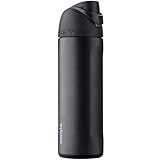
While your campsite will likely have potable water, bringing your own insulated water bottle is essential for staying hydrated on trails or around camp, keeping your water cool all day.
- Safety (wildlife, distance to help, comms): Eisenhower is in a wooded area, so expect common Texas wildlife like deer, raccoons, and various birds. Keep food secured and don’t feed animals. The park has rangers, but know the closest hospital is a drive away. Cell service can be spotty, so tell someone where you’re going and when you’ll be back.
Step-by-step (field workflow)
This is how you set up camp once you get to your spot. It’s about getting organized and making your stay comfortable and safe.
1. Arrive and check in: Head to the park entrance or ranger station.
- Good looks like: You have your reservation confirmation handy and are ready to pay any entrance fees.
- Common mistake: Showing up without a reservation, especially on a busy weekend. Avoid this by booking way ahead.
2. Locate your campsite: Follow the park signs to your assigned site.
- Good looks like: You find your site easily and it matches the description you saw online.
- Common mistake: Driving around aimlessly, disturbing other campers. Double-check your site number before you start searching.
3. Assess the site: Take a quick look around. Note the location of the picnic table, fire ring, and utility hookups (if any).
- Good looks like: The site is relatively level and free of obvious hazards like dead branches overhead.
- Common mistake: Setting up your tent in a low spot that will collect water if it rains. Walk the area first.
4. Set up your tent: Unpack and pitch your shelter.
- Good looks like: Your tent is staked down securely, with the rainfly on if needed.
- Common mistake: Forgetting to stake down your tent properly, leading to it blowing away in the wind. Always stake it out.
When setting up your shelter, ensure your camping tent is durable and easy to pitch. A good quality tent makes a huge difference in comfort and protection from the elements.

5. Organize your gear: Unpack essentials like chairs, coolers, and cooking equipment.
- Good looks like: Your camp is tidy, with items accessible but not scattered.
- Common mistake: Leaving gear strewn everywhere, creating tripping hazards and attracting critters. Keep things contained.
6. Prepare your cooking area: Set up your stove and prep your food.
- Good looks like: Your cooking area is clean and away from your tent.
- Common mistake: Cooking right next to your tent, which can transfer food odors and attract animals. Set up a dedicated cooking zone.
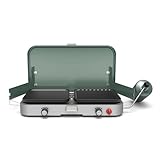
For preparing your meals, a reliable camping stove is a must-have. It allows you to cook efficiently and safely, keeping your cooking area clean and away from your tent.
7. Secure food and trash: Store all food in a bear-resistant container or your vehicle. Seal all trash.
- Good looks like: No food smells lingering, and trash is in a closed bin.
- Common mistake: Leaving food out or not sealing trash bags, which invites raccoons and other critters. They will get into your stuff.
8. Familiarize yourself with park amenities: Locate restrooms, water spigots, and trash cans.
- Good looks like: You know where everything is for convenience and proper waste disposal.
- Common mistake: Not knowing where the nearest restroom is when nature calls urgently. A quick scout saves you trouble.
9. Start your campfire (if permitted): Gather firewood (or buy it) and get a fire going safely.
- Good looks like: A controlled fire within the designated ring, with water and a shovel nearby.
- Common mistake: Building a fire outside the ring or leaving it unattended. This is a major fire risk.
10. Relax and enjoy: Kick back, take in the surroundings.
- Good looks like: You’re settled in and ready to have a good time.
- Common mistake: Rushing the setup and not taking time to appreciate being outdoors. Slow down.
Common mistakes (and what happens if you ignore them)
| Mistake | What it causes | Fix |
|---|---|---|
| Not booking a campsite in advance | Arriving to find no available spots, especially on weekends. | Reserve online or by phone through TPWD well ahead of your trip. |
| Ignoring fire restrictions | Fines, damage to the park, and potential wildfire. | Always check current fire ban status on the TPWD website before you go. |
| Leaving food or trash unsecured | Attracting wildlife (raccoons, rodents, etc.), leading to damaged gear/food. | Store all food in sealed containers or vehicles; use designated trash bins. |
| Setting up tent in a low-lying area | Your tent floods during rain. | Inspect your site for drainage before pitching your tent. |
| Not bringing enough water | Dehydration, discomfort, and a rushed trip home. | Bring more water than you think you’ll need, or confirm potable water access. |
| Driving on unpaved roads without 4WD | Getting stuck in mud or damaging your vehicle. | Stick to paved roads unless you know the conditions and have appropriate vehicle. |
| Disregarding quiet hours | Disturbing other campers and potential warnings from park staff. | Be mindful of posted quiet hours (usually 10 PM to 6 AM). |
| Not packing bug spray/sunscreen | Uncomfortable, itchy bites and sunburn. | Essential for Texas. Apply liberally and reapply often. |
| Assuming cell service will be reliable | Inability to contact help or family in an emergency. | Download offline maps and inform someone of your itinerary. |
| Not checking park alerts/closures | Arriving to find part or all of the park inaccessible. | Visit the TPWD Eisenhower State Park page for current alerts. |
Decision rules (simple if/then)
- If the forecast shows high winds, then secure your tent and canopy extra well because wind can easily damage or blow away unsecured gear.
- If you see a snake, then keep your distance and do not try to handle it because many are venomous and best left alone.
- If your campsite has a fire ring, then use it for campfires because building fires elsewhere is prohibited and dangerous.
- If you plan to swim in Lake Texoma, then check the water quality advisories because conditions can change.
- If you are bringing pets, then check the park’s specific pet policy first because some areas may be off-limits.
- If you are heading out for a hike, then tell someone your route and expected return time because it’s a safety precaution.
- If you are using a grill or camp stove, then keep it on a level surface away from flammable materials because this prevents accidental fires.
- If you notice a large group gathering loudly after quiet hours, then politely inform them of the rules or contact a park ranger because maintaining a peaceful environment is for everyone.
- If you are visiting during peak season, then book your campsite at least 1-2 months in advance because popular spots fill up fast.
- If you encounter any wildlife that seems aggressive or too comfortable around humans, then report it to a park ranger immediately because it’s a safety concern for you and the animal.
FAQ
Can I bring my dog to Eisenhower State Park?
Yes, pets are generally allowed in Eisenhower State Park, but they must be on a leash no longer than six feet. Always check the park’s specific pet policy on the TPWD website for any restricted areas.
Are there places to swim at Eisenhower State Park?
Absolutely. The park offers access to Lake Texoma, which is great for swimming, boating, and fishing. There are designated swimming areas.
What kind of wildlife can I expect to see?
You’ll likely see white-tailed deer, various bird species, raccoons, and maybe even armadillos. Keep a safe distance and never feed them.
Is there electricity and water at the campsites?
Eisenhower State Park offers a range of campsites, many with water and electric hookups. Some are more primitive. Check the specific campsite details when booking to know what amenities are available.
What are the quiet hours at the park?
Quiet hours are typically from 10 PM to 6 AM. This is standard for most Texas State Parks to ensure a peaceful experience for all campers.
Can I have a campfire?
Campfires are usually allowed in designated fire rings, but this is subject to current fire restrictions. Always check the TPWD website for the latest burn ban information before you go.
What if I forget something essential?
The park store might have some basics, but it’s best to come prepared. For major forgotten items, you might need to drive to the nearest town.
Is there cell service in the park?
Cell service can be spotty in Eisenhower State Park, especially in more remote areas or deep within the campground loops. Don’t rely on it for critical communication.
What this page does NOT cover (and where to go next)
- Specific campsite numbers and their exact features.
- Detailed fishing or boating regulations for Lake Texoma.
- Current weather forecasts (always check a reliable source before leaving).
- The exact location of every trail or picnic area.
Next, you should visit the official Texas Parks and Wildlife Department website for Eisenhower State Park to get the most up-to-date information on reservations, park alerts, and specific rules. You might also want to research local fishing or hiking guides if you plan on those activities.

Camping Bob has spent over 20 years camping across the US — from BLM dispersed sites in the Southwest to KOA campgrounds in the Pacific Northwest. He writes practical, no-nonsense guides to help fellow campers get outdoors with confidence.