
Buying Ice at a Gas Station: What to Expect
Quick answer
- Gas stations are your go-to for bagged ice, especially for coolers.
- Standard bags are usually 7-10 pounds.
- Prices can vary, but expect $2-$5 per bag.
- Look for the ice chest near the checkout or in a dedicated freezer aisle.
- Some stations have larger “party” or “block” ice, but it’s less common.
- Always check the bag for leaks before you buy.
What to check first (do this before you drive out)
Before you even think about hitting the road for that camping trip, a few quick checks can save you a headache.
- Land manager / legality: Who’s actually in charge of where you’re going? Is it National Forest, BLM land, a State Park, or private? Knowing this helps you understand rules about campfires, permits, and what you can and can’t do. A quick look at the agency’s website is usually all it takes.
- Access/road conditions: This is a big one. Is that dirt road leading to your spot going to swallow your sedan whole? Check recent trip reports online or call the ranger station. If it’s rough, you might need 4WD, high clearance, or just accept you’re parking a mile out. I learned that lesson the hard way with a flat tire on a logging road.
- Fire restrictions + weather + wind: Fire bans are no joke. Check the local fire danger level and any active restrictions. Also, check the weather forecast. High winds can make campfires dangerous and tents a nightmare. A sudden storm can turn a pleasant trip into a soggy ordeal.
- Water plan + waste plan (Leave No Trace): Where’s your water coming from? Are you packing it all in, or is there a reliable source you can filter? Equally important: how are you handling your trash and human waste? Pack it in, pack it out. Digging catholes properly is key.
- Safety (wildlife, distance to help, comms): What kind of critters share the area? Know the basics for bear country or venomous snakes. How far is the nearest town or ranger station if something goes wrong? And what’s your cell service situation? Don’t count on it. Consider a satellite communicator if you’re heading deep into the sticks.
Step-by-step (field workflow)
Alright, you’re at the gas station, cooler in the back, ready to stock up. Here’s how to nail the ice run.
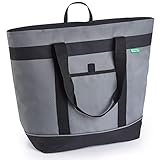
Before you head out, make sure you have a reliable insulated cooler bag to keep your ice and perishables cold.
1. Locate the ice:
- What to do: Scan the store for an ice chest or freezer. They’re usually near the front registers or in a dedicated refrigerated section.
- What “good” looks like: A clearly marked ice chest, often with a sign, filled with bags of ice.
- Common mistake: Assuming it’s always by the drinks. Sometimes it’s tucked away.
- How to avoid it: Do a quick sweep of the main aisles and near the checkout. If you don’t see it, ask the cashier.
2. Choose your bag size:
- What to do: Most stations offer standard 7-10 pound bags. Some might have larger “party” bags or even block ice.
- What “good” looks like: You see a selection of bag sizes, giving you options.
- Common mistake: Grabbing the first bag you see without checking the weight.
- How to avoid it: Look at the packaging. It usually states the weight. Pick what fits your cooler and trip length.
3. Inspect the bag:
- What to do: Pick up the bag and give it a gentle squeeze. Check for leaks or excessive condensation.
- What “good” looks like: A sturdy bag with no visible holes or wet spots. The ice inside should be solid, not a slushy mess.
- Common mistake: Buying a bag that’s already leaking.
- How to avoid it: Always inspect before you pay. A leaky bag means a wet car and melting ice.
4. Check the price:
- What to do: Look for the price tag on the ice chest or individual bags.
- What “good” looks like: Clear pricing so you know what you’re paying for.
- Common mistake: Not noticing the price until checkout and being surprised.
- How to avoid it: Glance at the price before you grab the bag. It helps to budget.
5. Grab your ice:
- What to do: Take the bag(s) to the checkout counter.
- What “good” looks like: You’ve got your ice, ready to go.
- Common mistake: Forgetting the ice in the cart or cooler while you pay for other things.
- How to avoid it: Keep the ice with you as you shop.
6. Pay for your ice:
- What to do: Hand over your payment for the ice and any other items.
- What “good” looks like: A smooth transaction.
- Common mistake: Leaving the ice behind after paying.
- How to avoid it: Make sure the cashier bags it or you put it in your own bag.
7. Load into your cooler:
- What to do: Get the ice into your cooler as quickly as possible.
- What “good” looks like: The ice is safely in the cooler, lid closed.
- Common mistake: Leaving the cooler open or the ice bag sitting out.
- How to avoid it: Transfer the ice immediately. Every minute counts.
8. Add water (optional, for longer cooling):
- What to do: For maximum cooling, some folks add a little water to the cooler once the ice is in.
- What “good” looks like: The ice is surrounded by a bit of water, creating a super-cold brine.
- Common mistake: Filling the cooler with too much water, diluting the ice too fast.
- How to avoid it: Start with just an inch or two of water.
9. Secure the cooler:
- What to do: Make sure your cooler is packed in your vehicle so it won’t slide around.
- What “good” looks like: A stable cooler that won’t tip over.
- Common mistake: Letting the cooler become a projectile in the car.
- How to avoid it: Use a strap, bungee cord, or pack other gear around it.
Common mistakes (and what happens if you ignore them)
| Mistake | What it causes | Fix |
|---|---|---|
| Not checking fire restrictions | Fines, wildland fires, environmental damage | Always check the local fire danger level and bans before you go. |
| Ignoring road conditions | Flat tires, stuck vehicle, costly repairs | Research road conditions; know your vehicle’s limits; pack a spare. |
| Underestimating weather | Uncomfortable or dangerous camping conditions | Check forecasts for temperature, rain, and wind; pack accordingly. |
| Forgetting a water plan | Dehydration, carrying too much weight | Know your water sources; bring filters/purifiers or enough to carry. |
| Not planning for waste | Environmental contamination, attracting wildlife | Pack out all trash; know LNT principles for human waste disposal. |
| Assuming cell service exists | Inability to call for help in an emergency | Download offline maps; carry a satellite communicator if remote. |
| Buying a leaky ice bag | Wet car interior, melting ice, lost cooling power | Inspect bags for holes and condensation before purchasing. |
| Not securing the cooler | Spilled contents, damaged cooler, safety hazard | Use straps or pack gear to keep the cooler stable in transit. |
| Overpacking the cooler with ice | Wasted money, heavy lifting, less space for food | Pack only what you need for the duration; block ice lasts longer. |
| Not pre-chilling the cooler | Ice melts faster, food spoils quicker | Bring the cooler inside the night before and fill with cold packs. |
| Leaving the cooler lid open too long | Rapid ice melt, food spoilage, attracting animals | Minimize opening time; have a system for what you need quickly. |
| Not bringing enough ice | Spoiled food, warm drinks, unhappy campers | Estimate your needs based on trip length and expected temps. |
To extend the life of your ice and keep things colder longer, consider adding some reusable ice packs to your cooler.

Decision rules (simple if/then)
- If the forecast calls for high winds, then secure all loose items at camp because wind can turn them into projectiles or rip them away.
- If you’re going into bear country, then store food properly in bear-resistant containers or hang it properly because bears are attracted to food smells.
- If the road is marked as “4WD recommended” and you’re in a sedan, then find an alternative route or plan to hike in because you’ll likely get stuck.
- If you see signs of recent heavy rain, then check creek crossings before you attempt to cross them because flash floods are dangerous.
- If you’re planning a campfire, then check the current fire restrictions for that specific area because they can change daily.
- If your phone shows no signal, then don’t rely on it for emergencies and consider a satellite device because you’re off the grid.
- If the ice bag feels unusually light or slushy, then choose a different bag because it’s already melting.
- If you’re unsure about water potability, then always filter or treat it because drinking contaminated water can make you very sick.
- If you plan to stay for more than a weekend, then consider bringing a block of ice because it melts slower than cubed ice.
- If you’re camping near a water source, then pitch your tent at least 200 feet away because it protects the riparian area and reduces bug issues.
- If you’re traveling with children or pets, then always supervise them closely because they can wander off or get into trouble quickly.
- If you’re purchasing ice for a long trip, then buy more than you think you’ll need because it’s better to have too much than too little.
FAQ
How much ice do gas stations usually sell?
Most gas stations offer standard bags of ice, typically weighing between 7 and 10 pounds. You might occasionally find larger “party” bags or even block ice, but these are less common.
What’s the average price for a bag of ice at a gas station?
Prices can vary depending on location and the season, but you can generally expect to pay somewhere in the range of $2 to $5 per 7-10 pound bag.
Can I buy ice in advance for my trip?
It’s best to buy ice as close to your departure time as possible. While you can buy it the day before, it will start melting, especially if you don’t have a way to keep it in a cooler.
What if the ice bag is leaking?
If you notice a leak or excessive condensation, it’s a good idea to pick a different bag. A leaky bag means you’re losing ice and will have a wet mess in your car.
Are there different types of ice?
Yes, gas stations primarily sell cubed ice, which is great for coolers. Some might offer block ice, which melts much slower and is ideal for keeping things cold for extended periods.
What’s the best way to pack ice in my cooler?
For maximum efficiency, pre-chill your cooler. Then, pack ice at the bottom, add your food and drinks, and fill any remaining space with more ice. Adding a little water can help create a super-cold brine, but don’t overdo it.
For the best results, always use a high-quality insulated cooler bag to maximize ice retention.
Will gas station ice last all weekend camping?
For a weekend trip, a couple of bags should do the trick if packed properly in a good cooler. For longer trips, you’ll likely need to replenish your ice supply.
Is it cheaper to buy ice at a gas station or a grocery store?
Often, grocery stores have more competitive pricing on ice, especially if they have large freezers. However, gas stations are convenient for last-minute needs.
What this page does NOT cover (and where to go next)
- Detailed cooler packing strategies (look for guides on insulation and layering).
- DIY ice-making or advanced ice preservation techniques.
- Specific recommendations for ice brands or types for extended trips.
- Comparisons of ice prices across different types of retailers.
- How to properly dispose of melted ice water in a Leave No Trace manner.

Camping Bob has spent over 20 years camping across the US — from BLM dispersed sites in the Southwest to KOA campgrounds in the Pacific Northwest. He writes practical, no-nonsense guides to help fellow campers get outdoors with confidence.