
Building a Safe and Enjoyable Bonfire
Quick answer
- Check land manager rules before you even think about a fire.
- Know the current fire restrictions and weather forecast.
- Pick a safe spot away from trees and flammable stuff.
- Clear a wide area around your fire pit down to bare dirt.
- Keep water and a shovel handy, always.
- Never leave a fire unattended.
- Douse it completely until it’s cool to the touch.
- Have fun, but be smart.
What to check first (do this before you drive out)
Before you even load up the truck, some homework is non-negotiable. This isn’t just about having a good time; it’s about not starting a wildfire.
- Land manager / legality: Who owns the land you’re going to? Is it National Forest, BLM, a State Park, or private? Each has its own set of rules. A quick look at their website or a call can save you a big headache. Some areas are totally off-limits for fires, even when restrictions are low elsewhere.
- Access/road conditions: Can your rig actually get there? If you’re heading deep into the backcountry, check if the roads are suitable for your vehicle. Mud, snow, or just rough terrain can turn a fun trip into a tow-truck operation. Know your vehicle’s limits.
- Fire restrictions + weather + wind: This is huge. Fire bans are common, especially in dry seasons. Check the local fire danger level and any burn bans. Also, look at the forecast. High winds are a fire’s best friend. If it’s gusty, reconsider the fire. Seriously.
- Water plan + waste plan (Leave No Trace): Have a plan for putting out the fire. This means plenty of water – more than you think you’ll need. And what about trash? Pack it in, pack it out. Don’t burn your garbage; it pollutes and can attract critters.
Having a reliable camping water jug is essential for ensuring you have enough water to extinguish your fire properly.

- Safety (wildlife, distance to help, comms): Know what wildlife is in the area and how to store food properly. How far are you from the nearest ranger station or emergency services? Do you have cell service? If not, let someone know your plans and expected return time.
Step-by-step (field workflow)
Alright, you’ve done your homework. You’re at the campsite, and the urge to get a fire going is strong. Here’s how to do it right.
1. Choose your spot: Find a designated fire ring if one exists. If not, find a level spot at least 15 feet from tents, vehicles, overhanging branches, and dry grass.
- Good looks like: A clear, established spot or a safe, pre-selected location.
- Common mistake: Using a spot that’s too close to flammable materials. Always err on the side of caution.
2. Clear the area: Remove all dry leaves, grass, pine needles, and other flammable debris from a circle at least 10 feet in diameter around your chosen spot. Down to bare dirt is the goal.
- Good looks like: A wide, clean circle of bare earth.
- Common mistake: Rushing this step and leaving small bits of dry material. A single spark can travel.
A sturdy folding camp shovel is invaluable for clearing the area around your fire pit down to bare dirt.

3. Prepare the fire pit: If using a designated ring, great. If not, dig a pit about 6 inches deep and 2 feet wide, or create a ring of rocks to contain the fire.
- Good looks like: A contained area that won’t let embers escape easily.
- Common mistake: Not making the pit deep or wide enough, or using rocks that might explode when heated (like river rocks).
4. Gather firewood: Collect dry, dead wood from the ground. Never cut live trees or branches. Gather wood of varying sizes: tinder (small, fluffy stuff), kindling (pencil-sized twigs), and fuel wood (larger pieces).
- Good looks like: A neat pile of dry, dead wood, sorted by size.
- Common mistake: Bringing in outside firewood, which can spread invasive insects. Check local regulations on firewood.
5. Build the fire structure: Place a small amount of tinder in the center of the pit. Then, lean kindling against it, forming a teepee or log cabin shape. Leave space for air.
- Good looks like: A structure that allows airflow and can catch a spark easily.
- Common mistake: Packing the kindling too tightly, starving the flame of oxygen.
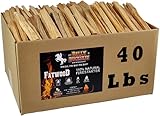
For an easier start, consider using tinder firestarter sticks to get your bonfire going quickly and efficiently.
6. Light the fire: Use a long lighter or matches to ignite the tinder. Gently blow on the flame if needed to help it catch the kindling.
- Good looks like: A small flame that steadily grows and ignites the kindling.
- Common mistake: Using too much accelerant (like gasoline). This is dangerous and unnecessary.
7. Add fuel wood: Once the kindling is burning well, gradually add smaller pieces of fuel wood, then larger ones. Don’t overload the fire.
- Good looks like: A steady, manageable fire.
- Common mistake: Piling on too much wood at once, which can smother the fire or make it too large and uncontrollable.
8. Manage the fire: Keep the fire contained within the pit. Add wood as needed to maintain a safe, enjoyable flame. Never leave it unattended, not even for a minute.
- Good looks like: A controlled fire that you are actively watching.
- Common mistake: Wandering off to do other things while the fire is burning.
9. Prepare for extinguishing: Before you plan to leave or go to sleep, stop adding wood. Let the fire burn down to coals.
- Good looks like: A pile of glowing embers, not active flames.
- Common mistake: Trying to douse a roaring fire. It’s much harder and less effective.
10. Extinguish the fire: Pour water on the coals and embers. Stir with a shovel. Repeat until all hissing stops.
- Good looks like: No smoke, no steam, no glowing embers.
- Common mistake: Thinking it’s out when it’s just stopped smoking.
When extinguishing the fire, heat resistant gloves can protect your hands while you stir the coals with a shovel.

11. Check for heat: Carefully feel the ashes and embers with the back of your hand. If it’s too hot to touch, it’s too hot to leave.
- Good looks like: Cool ashes.
- Common mistake: Leaving a fire that still has heat. This is how wildfires start.
12. Scatter ashes (optional, check rules): Once completely cool, if regulations allow, scatter the ashes.
- Good looks like: A clean fire pit area.
- Common mistake: Leaving a pile of ashes that can be blown around or attract animals.
Common mistakes (and what happens if you ignore them)
| Mistake | What it causes | Fix |
|---|---|---|
| Not checking fire restrictions | Fines, forced evacuation, and a wildfire that destroys acres of land. | Always check the current fire danger level and burn bans for your specific location before you go. |
| Building a fire near flammable materials | Rapid spread of flames, potential to ignite tents, trees, or vehicles. | Clear a minimum 10-foot radius down to bare dirt around your fire pit. |
| Leaving a fire unattended | Escaped embers can start spot fires that quickly grow out of control. | Designate a fire watcher, and never leave the fire until it’s completely out and cold. |
| Not having enough water/tools | Inability to control or extinguish the fire quickly if it starts to spread. | Keep a large bucket of water and a shovel right next to the fire at all times. |
| Burning trash | Attracts animals, pollutes the air, and can leave non-burnable residue. | Pack out all trash. Never burn plastic, foil, or food waste. |
| Using green or wet wood | Lots of smoke, little heat, and a generally miserable fire experience. | Collect only dry, dead wood from the ground. |
| Improperly extinguishing the fire | Rekindling of the fire hours later, often starting a wildfire. | Douse with water, stir, and repeat until the ashes are cool to the touch. |
| Building a fire in prohibited areas | Fines, ecological damage, and potential for large-scale disaster. | Only build fires in designated fire rings or areas approved by the land manager. |
| Using accelerants like gasoline | Explosive flare-ups, severe burns, and uncontrolled fire spread. | Use proper tinder and kindling. Never use gasoline or other volatile liquids to start a fire. |
| Not clearing enough space around the fire | Embers can easily jump to nearby dry grass or brush, starting a new fire. | Ensure a 10-foot, bare-dirt perimeter is cleared around the fire pit. |
Decision rules (simple if/then)
- If the fire danger level is “high” or “very high,” then postpone your bonfire because the risk of wildfire is too great.
- If the wind is gusting over 15 mph, then cancel your bonfire because embers can travel far and start unintended fires.
- If you can’t find a designated fire ring, then don’t build a fire unless you can find a safe, legal spot and prepare it properly.
- If you don’t have at least 5 gallons of water readily accessible, then don’t start a fire because you won’t be able to put it out effectively.
- If you are unsure about the current fire restrictions, then call the local ranger station before you go because ignorance is not a defense.
- If you see any signs of wildlife near your intended fire spot, then move your spot or reconsider the fire because animals can be attracted to food smells and curious about flames.
- If you are camping in a drought-stricken area, then err on the side of caution and skip the fire because the landscape is highly flammable.
- If you have any doubt about whether your fire is completely out, then keep adding water and stirring until you are 100% sure it’s cold.
- If the land manager explicitly states no fires, then absolutely no fires, no exceptions.
- If you are in a red flag warning area, then do not have any open flames, including campfires, because conditions are extremely dangerous.
FAQ
How big should a bonfire be?
Keep your bonfire manageable. A good campfire is one you can easily control and that fits within your cleared area and fire ring. Big isn’t always better.
What’s the difference between tinder, kindling, and fuel wood?
Tinder is the super-fine stuff that catches a spark (like dry grass or birch bark). Kindling is pencil-sized twigs that catch from the tinder. Fuel wood is larger pieces that sustain the fire.
Can I burn logs in my campfire?
Only use dry, dead wood collected on-site, and only if it fits within your fire ring and is manageable. Avoid large, green logs that will smolder and smoke.
What if I see a wildfire start?
If you see a fire that’s not in a designated pit or is spreading out of control, call 911 immediately. Give your location as precisely as possible.
Is it okay to leave my campfire to go for a hike?
Absolutely not. Never leave a campfire unattended, even for a short time. It only takes a gust of wind to turn a small fire into a disaster.
What’s the best way to put out a campfire?
Douse it with plenty of water, stir the ashes and embers with a shovel, and repeat until everything is cool to the touch. Don’t just bury it; that can keep it smoldering.
Can I build a fire on the beach?
It depends. Some beaches allow fires in designated rings, while others have strict bans. Always check with the local authorities or park service.
What if my fire gets too big?
Don’t panic. Use your shovel to push burning logs back into the center of the fire pit. If it’s spreading, get everyone away and call for help immediately.
How do I know if the fire is truly out?
The back of your hand test is key. If it’s too hot to touch comfortably, it’s too hot to leave. No smoke, no steam, no heat.
What this page does NOT cover (and where to go next)
- Specific regulations for national parks, national forests, or BLM lands. (Check the official USFS, NPS, or BLM website for your destination.)
- Detailed instructions on building different types of fire structures for survival. (Look for wilderness survival guides.)
- Information on using camp stoves or other cooking appliances. (Consult appliance manuals or outdoor gear reviews.)
- Advanced fire-starting techniques for extreme weather conditions. (Seek out specialized survival training resources.)
- Legal ramifications and penalties for violating fire bans. (Consult local law enforcement or park ranger websites for specific details.)

Camping Bob has spent over 20 years camping across the US — from BLM dispersed sites in the Southwest to KOA campgrounds in the Pacific Northwest. He writes practical, no-nonsense guides to help fellow campers get outdoors with confidence.