
Simple Methods For Starting A Fire
Quick answer
- Gather tinder, kindling, and fuel wood before you strike a match.
- Understand your fire starter – ferro rod, matches, lighter – and practice with it.
- Build a stable fire lay that allows airflow.
- Shield your initial flame from wind.
- Gradually add fuel, starting small.
- Never leave a fire unattended.
- Douse completely before leaving.
What to check first (do this before you drive out)
Before you even think about sparking up, there are a few crucial checks. This isn’t just about convenience; it’s about safety and legality.
- Land manager / legality: Who owns this land? Is it National Forest, BLM land, a State Park, or private? Each has different rules. A quick search for the specific area’s land management agency will tell you. This dictates if fires are even allowed and what types.
- Access/road conditions: Is the road to your spot a smooth gravel path or a rutted, rocky mess? Know your vehicle’s clearance and capabilities. A slick forest road can turn into a mud pit after rain. Don’t get stuck miles from anywhere.
- Fire restrictions + weather + wind: This is huge. Burn bans can pop up fast, especially in dry seasons. Check the land manager’s website or local ranger station for current restrictions. Also, check the weather forecast. High winds are a fire’s best friend, and not in a good way for campers.
- Water plan + waste plan (Leave No Trace): Have a way to put your fire out completely. This means having plenty of water nearby or knowing you can get it. Also, plan how you’ll dispose of ashes. Leave No Trace principles are key here. Pack it in, pack it out.
- Safety (wildlife, distance to help, comms): Be aware of your surroundings. Know what wildlife is common in the area. Make sure you’re not setting up camp too close to dry brush or overhanging branches. How far is the nearest ranger station or town? Do you have cell service? A satellite messenger is a smart backup.
Step-by-step (field workflow)
Getting a fire going is a process. Don’t rush it.
1. Scout your location: Find a spot that’s clear of dry grass, leaves, and overhanging branches. A rock ring or existing fire pit is ideal.
- Good looks like: A bare patch of earth or a designated pit, at least 10 feet from anything flammable.
- Common mistake: Setting up too close to trees or dry vegetation. Avoid this by always checking overhead and all around.
2. Gather your materials: Collect tinder, kindling, and fuel wood. Do this before you try to light anything.
- Good looks like: A pile of dry, fluffy tinder (like birch bark shavings, cotton balls with petroleum jelly, or commercial fire starters), a generous armload of pencil-lead to finger-thick kindling, and a good supply of wrist-thick fuel wood.
- Common mistake: Only gathering a few small twigs. Avoid this by gathering more than you think you’ll need, especially kindling.
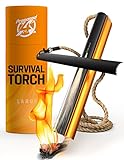
For reliable ignition, consider bringing a camping fire starter kit, which often includes commercial fire starters that are excellent for getting your fire going quickly.
3. Prepare your tinder: Make sure it’s dry and fluffy. If using natural materials, shred them to increase surface area.
- Good looks like: A loose, airy nest of tinder ready to catch a spark.
- Common mistake: Using damp or matted tinder. Avoid this by finding the driest stuff or bringing a reliable commercial starter.
4. Build your fire lay: Arrange your tinder and kindling. A teepee or log cabin structure works well. Ensure airflow.
- Good looks like: A structure where air can easily reach the tinder and initial flame.
- Common mistake: Packing kindling too tightly, starving the flame. Avoid this by leaving small gaps.
5. Choose your ignition: Select your fire starter – a ferro rod, waterproof matches, or a lighter.
- Good looks like: A reliable tool you know how to use.
- Common mistake: Relying on a single, unreliable method. Avoid this by having a backup ignition source.
A good camping fire starter kit will provide reliable tools like ferro rods or waterproof matches, ensuring you have the right gear for ignition.
6. Ignite the tinder: Strike your match, flick your lighter, or scrape your ferro rod to create sparks directed at the tinder bundle.
- Good looks like: The tinder catches flame quickly and burns steadily.
- Common mistake: Not shielding the initial flame from wind. Avoid this by using your body or a jacket as a windbreak.
7. Feed the flame: Once the tinder is burning well, gently add the smallest pieces of kindling.
- Good looks like: The kindling catches and starts to burn, producing small flames.
- Common mistake: Smothering the small flame by adding too much kindling too soon. Avoid this by adding only a few pieces at a time.
8. Build the fire: As the kindling burns, gradually add larger pieces of kindling, then small fuel wood.
- Good looks like: The fire grows stronger, with sustained flames.
- Common mistake: Adding large logs too early. Avoid this by working your way up in size.
9. Maintain the fire: Add fuel wood as needed to keep the fire going.
- Good looks like: A controlled, contained fire that provides heat and light.
- Common mistake: Letting the fire get too big or spread out of the pit. Avoid this by managing your fuel and keeping it within the fire ring.
10. Extinguish completely: When you’re done, douse the fire with water, stir the embers and ashes, and douse again. Repeat until it’s cool to the touch.
- Good looks like: No glowing embers, no smoke, and the ashes are cold.
- Common mistake: Thinking it’s out when it’s just no longer flaming. Avoid this by stirring and dousing until completely cold.
Common mistakes (and what happens if you ignore them)
| Mistake | What it causes | Fix |
|---|---|---|
| Not gathering materials first | Frantic searching, cold fingers, potential for fire to die out | Collect tinder, kindling, and fuel <em>before</em> lighting. |
| Using damp wood | Difficulty lighting, smoky fire, potential for it to go out | Find the driest wood possible; split logs to access dry inner wood. |
| Poor airflow in fire lay | Smothered flame, inability to catch kindling | Build a teepee or log cabin structure that allows air to circulate. |
| Ignoring fire restrictions | Fines, wildfire, jail time | Always check local fire restrictions before heading out. |
| Not having enough water to extinguish | Escaped fire, wildfire, damage to environment | Bring plenty of water, or have a plan to access it safely. |
| Leaving fire unattended | Potential for escaped fire, wildfire | Never leave a fire burning without direct supervision. |
| Building fire too close to combustibles | Rapid spread of flames, potential for wildfire | Clear a wide radius around the fire pit and ensure no overhanging branches. |
| Using green wood as fuel | Smoky, inefficient fire; can damage trees if cut live | Use dead and downed wood. Green wood burns poorly and can be harmful if harvested live. |
| Relying on a single, unreliable starter | Inability to start a fire in adverse conditions | Carry multiple ignition sources (e.g., lighter, waterproof matches, ferro rod). |
| Not stirring embers when extinguishing | Hidden hot spots can reignite, leading to escaped fire | Stir the ashes and embers thoroughly with a stick or shovel while dousing with water. |
| Rushing the process | Frustration, wasted effort, potential for fire to go out | Be patient. Build the fire gradually, adding fuel as the flames grow stronger. |
| Not packing out ashes (where required) | Unnatural appearance, potential for lingering embers, impacts LNT principles | Pack out ashes in a metal container if LNT guidelines for the area require it. |
Decision rules (simple if/then)
- If the land manager has issued a burn ban, then do not start a fire because it is illegal and dangerous.
- If it is windy, then build a fire in a sheltered spot and consider skipping the fire altogether because wind can quickly spread embers.
- If you can’t find dry tinder, then use a commercial fire starter or petroleum jelly-soaked cotton balls because they are designed to ignite easily.
- If your kindling is damp, then try splitting it to expose the dry inner wood because the outer layer may be too wet to catch.
- If you are in a designated fire ring, then use it because it is designed to contain fires safely.
- If you are unsure about road conditions, then err on the side of caution and don’t drive down if your vehicle isn’t suited for it because getting stuck is a bad time.
- If you have less than 10 feet of clearance around your fire pit, then clear more space because embers can travel surprisingly far.
- If you are unsure if your fire is completely out, then add more water and stir again because it’s better to be safe than sorry.
- If you have a gas stove, then use it for cooking instead of a campfire when fire restrictions are high or conditions are dry because it’s a much safer alternative.
- If you see smoke or embers after you think the fire is out, then douse it again because hot spots can linger.
- If you are in bear country, then be extra diligent about extinguishing your fire and storing food properly because you don’t want to attract unwanted visitors.
- If you are relying on a lighter, then make sure it has fuel and works properly before you need it because a dead lighter is useless.
FAQ
Q: What’s the best type of wood to burn?
A: Hardwoods like oak, maple, and hickory burn longer and hotter. Softwoods like pine are good for starting fires because they ignite easily but burn faster. Always use dead and downed wood.
Q: How do I know if my wood is dry enough?
A: Dry wood will feel lighter, make a hollow sound when tapped, and may have cracks at the ends. If it’s heavy and smells resinous, it’s likely too wet.
Q: What if I can’t find any natural tinder?
A: Bring your own! Cotton balls soaked in petroleum jelly, dryer lint, or commercial fire starters are excellent backups. They catch a spark easily.
If natural tinder is scarce, a camping fire starter kit often contains commercial fire starters or cotton balls that can easily catch a spark.
Q: Is it okay to use lighter fluid?
A: While it works, it’s generally discouraged in wild areas. It can leave a chemical smell and taste on food if used for cooking, and it’s a fire hazard if spilled. Stick to more natural methods or reliable starters.
Q: How much water do I really need to put out a fire?
A: Enough to drown every ember. You should be able to run your hand through the ashes without feeling any heat. If it sizzles, it’s not out.
Q: Can I burn trash in my campfire?
A: Generally, no. Most trash, especially plastics and treated materials, releases toxic fumes. Pack out all your trash.
Q: What’s the difference between tinder, kindling, and fuel wood?
A: Tinder is the material that catches the initial spark or flame (e.g., fluff, shavings). Kindling is small twigs that catch fire from the tinder. Fuel wood is larger pieces that sustain the fire.
Q: My fire won’t stay lit. What am I doing wrong?
A: Likely a combination of damp wood, poor airflow, or adding fuel too quickly. Rebuild your lay with dry materials, ensure gaps for air, and add fuel gradually.
What this page does NOT cover (and where to go next)
- Detailed regional fire restrictions and how to find them. (Next: Check specific park/forest websites or call ranger stations.)
- Advanced fire-starting techniques like friction-based methods (bow drill, hand drill). (Next: Seek out dedicated bushcraft courses or guides.)
- Specific regulations for campfires in different types of public lands (e.g., wilderness areas vs. developed campgrounds). (Next: Consult the land management agency’s regulations for the area you’re visiting.)
- How to build a fire for specific purposes like cooking versus warmth. (Next: Explore guides on campfire cooking or outdoor survival.)
- Legal ramifications of escaped fires and wildfires. (Next: Review land management agency safety guidelines and local laws.)