
Burning Coffee Grounds: Uses and Considerations
Quick answer
- Coffee grounds can be burned for a smoky flavor in BBQ or as a fire starter.
- Always burn them in a controlled environment, like a fire pit or grill.
- Check local fire restrictions before any open burning.
- Mix grounds with other tinder for better ignition.
- Don’t expect them to burn like solid fuel; they burn fast and smolder.
- Clean up ash thoroughly to minimize your impact.
What to check first (do this before you drive out)
Before you even think about lighting up some coffee grounds, get a few things dialed in. This isn’t just about convenience; it’s about being smart and responsible.
- Land manager / legality: Who’s in charge of the dirt you’re on? Is it US Forest Service, BLM land, a state park, or private property? Each has its own set of rules, especially when it comes to fire. A quick look at the managing agency’s website or a call can save you a headache.
- Access/road conditions: How are you getting there? Some spots are easy pavement, others are rough dirt tracks that demand AWD and decent clearance. Don’t get your rig stuck miles from anywhere. Check recent reports if you can.
- Fire restrictions + weather + wind: This is non-negotiable. Dry conditions and high winds are a recipe for disaster. Check the local fire danger rating and weather forecast. If it’s looking dicey, postpone. Seriously. I once saw a small brush fire start from a seemingly minor ember on a windy day. Not worth it.
- Water plan + waste plan (Leave No Trace): Have water and a shovel ready to put out any fire completely. And what about the grounds themselves? Ash is generally biodegradable, but you don’t want to leave a big grey pile. Pack it out if needed, or scatter it widely away from water sources.
- Safety (wildlife, distance to help, comms): Be aware of your surroundings. Know what critters are in the area. Are you close to a ranger station or a town if something goes wrong? Do you have cell service? If not, tell someone where you’re going and when you’ll be back.
Step-by-step (field workflow)
Alright, you’ve done your homework. Now, let’s get down to business with those grounds.
1. Gather your grounds: Collect dry coffee grounds. Fresh, damp grounds won’t burn well. Let them air dry thoroughly on a tray or screen.
- Good looks like: Crispy, dry grounds that crumble easily.
- Common mistake: Trying to burn wet grounds. They just steam and smolder, producing little heat or smoke. Dry them out first, no shortcuts.
2. Choose your spot: Find a safe, designated fire pit or a cleared area away from flammable materials.
- Good looks like: A safe zone, cleared down to bare earth, at least 10 feet from any trees, bushes, or dry grass.
- Common mistake: Setting up too close to vegetation. A stray spark can turn into a big problem fast.
3. Prepare your tinder: Use standard fire-starting materials like dry leaves, twigs, or commercial fire starters.
- Good looks like: A neat pile of fluffy, dry material that will catch a spark easily.
- Common mistake: Using damp or green tinder. It’s hard to get going, and you’ll get frustrated.
For an even easier start, consider using a reliable campfire fire starter alongside your natural tinder. They can be a real lifesaver in damp conditions.
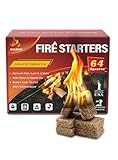
4. Add coffee grounds (optional): Sprinkle a small amount of dry coffee grounds over your tinder if you’re aiming for smoke flavor or added smolder.
- Good looks like: A light dusting, not a thick layer, mixed with the tinder.
- Common mistake: Piling on too many grounds. They can smother your initial flame.
5. Ignite the tinder: Use a match or lighter to carefully ignite the tinder.
- Good looks like: A steady flame that starts to lick at the tinder.
- Common mistake: Blowing out the initial spark or flame. Be patient.
6. Feed the fire: Once the tinder is burning well, gradually add small twigs and then larger pieces of wood.
- Good looks like: A controlled burn where the fire grows steadily without getting out of hand.
- Common mistake: Overloading the fire with too much wood at once. This can cause it to die down or flare up uncontrollably.
7. Add grounds for smoke (if desired): For smoky flavor, toss a small handful of dry grounds onto the hot coals or into the flames.
- Good looks like: A puff of smoke, not a giant cloud. The grounds should smolder and release their aroma.
- Common mistake: Adding too many grounds at once. You’ll get a brief, intense smoke, but it can extinguish your fire.
8. Manage the fire: Keep the fire contained and add fuel as needed.
- Good looks like: A steady, manageable fire that’s doing what you want it to do.
- Common mistake: Letting the fire get too big or unattended. Always keep an eye on it.
9. Extinguish completely: Douse the fire with plenty of water. Stir the ashes and embers with a shovel. Douse again until everything is cold to the touch.
- Good looks like: No glowing embers, no steam, and the ashes are cool enough to touch with your hand.
- Common mistake: Not stirring the ashes. Embers can hide deep down and reignite later.
10. Clean up: Pack out any trash. Scatter cooled ashes widely or dispose of them properly according to land manager rules.
- Good looks like: The area looks as close to how you found it as possible.
- Common mistake: Leaving ash piles or trash behind. This disrespects the land and the next visitor.
Common mistakes (and what happens if you ignore them)
| Mistake | What it causes | Fix |
|---|---|---|
| Burning wet coffee grounds | Smoldering, little heat, excessive steam, poor ignition, fire might go out | Dry grounds thoroughly before burning. |
| Using too many grounds at once | Smothering the flame, excessive smoke, fire extinguishes | Start with small amounts, add more gradually as needed. |
| Not checking fire restrictions | Fines, legal trouble, and potentially starting a wildfire | Always check local fire danger ratings and burn bans before you even pack your gear. |
| Burning grounds in windy conditions | Sparks can travel far, leading to unintended fires and potential wildfires | Postpone burning if winds are high; choose a calm day. |
| Ignoring Leave No Trace principles | Environmental damage, unsightly campsites, impact on wildlife | Pack out all trash, scatter ashes widely, and restore the site. |
| Not having water/shovel readily available | Inability to control or extinguish a fire quickly, leading to potential disaster | Keep water and a shovel within arm’s reach of your fire at all times. |
| Using grounds as primary fuel source | Grounds burn too quickly and don’t provide sustained heat | Use grounds as an additive for flavor or as a secondary tinder, not as your main firewood. |
| Setting up fire too close to vegetation | Accidental ignition of surrounding grass or trees, leading to a wildfire | Clear a wide area around your fire pit down to bare mineral soil. |
| Not fully extinguishing embers | Embers can reignite hours later, causing a wildfire | Stir ashes thoroughly and douse with water until cold to the touch. |
| Not informing someone of your plans | Delayed rescue if you get into trouble | Tell a trusted person where you’re going, your route, and when you expect to be back. |
Decision rules (simple if/then)
- If fire danger is high, then do not burn coffee grounds because it’s a major wildfire risk.
- If you are in a designated fire ban area, then do not burn coffee grounds because it’s illegal and dangerous.
- If coffee grounds are damp, then dry them completely before attempting to burn them because wet grounds won’t ignite properly.
- If you want to add smoky flavor to your food, then add a small amount of dry grounds to hot coals because this creates a controlled smoke.
- If the wind picks up significantly, then extinguish the fire immediately because wind can spread embers rapidly.
- If you are unsure about land regulations, then check the land manager’s website or call them because rules vary widely.
- If you don’t have adequate water and a shovel, then do not start a fire because you won’t be able to control or extinguish it safely.
- If you are using coffee grounds as a fire starter, then mix them with other dry tinder because they burn fast and can smother other materials if used alone.
- If you are finished with your fire, then ensure it is cold to the touch by dousing and stirring multiple times because hidden embers are a serious hazard.
- If you are in an area with sensitive vegetation, then use an established fire ring or portable fire pit because this minimizes ground impact.
- If you are unsure about road conditions, then err on the side of caution and use a vehicle suited for the terrain because getting stuck is no fun.
- If you plan to leave no trace, then pack out all non-combustible trash and scatter cooled ashes thinly, or pack them out if required.
If you are using coffee grounds as a fire starter, then mix them with other dry tinder because they burn fast and can smother other materials if used alone. A dedicated campfire fire starter can also significantly improve your chances of success.
FAQ
Can I burn coffee grounds in my backyard fire pit?
Generally, yes, if local regulations allow open fires. Ensure your fire pit is safe and you follow all fire safety practices.
Will burning coffee grounds attract bugs?
While the aroma might attract some insects, the act of burning itself, especially in a hot fire, usually dissipates them. It’s not a significant attractant compared to food scraps.
How much smoke do coffee grounds produce?
Dry coffee grounds produce a moderate amount of smoke when smoldering. They’re not as smoky as wood chips but can add a nice aroma.
Can I use coffee grounds to start a fire?
Yes, dry coffee grounds can be used as a tinder additive. They catch fire easily when dry and can help get your kindling going.
Yes, dry coffee grounds can be used as a tinder additive. They catch fire easily when dry and can help get your kindling going, especially when paired with a robust campfire fire starter.
Is burning coffee grounds bad for the environment?
When done responsibly, with proper fire management and cleanup, the environmental impact is minimal. Ash is natural, but leaving large piles is not ideal.
What if my coffee grounds don’t burn?
They’re likely too damp. You need to let them dry out completely in the sun or a warm, dry place until they are brittle.
Can I burn grounds in a charcoal grill?
You can add a small amount of dry grounds to hot coals for flavor, but they burn quickly and won’t replace charcoal as a primary fuel.
Are there any health risks associated with burning coffee grounds?
Inhaling any smoke can be irritating. Burning them in a well-ventilated outdoor area is always best. Avoid breathing the smoke directly.
What this page does NOT cover (and where to go next)
- Specific campsite reservation systems and fees. Check the official park or forest service website for details.
- Detailed foraging or identification of edible plants. Consult a local expert or field guide.
- Advanced wilderness survival techniques. Look for dedicated courses or specialized books.
- Detailed information on specific wildlife encounters and defense. Always research local fauna and carry appropriate safety gear.
- Legal regulations regarding firearms or hunting. Always check state and local hunting laws and licensing requirements.

Camping Bob has spent over 20 years camping across the US — from BLM dispersed sites in the Southwest to KOA campgrounds in the Pacific Northwest. He writes practical, no-nonsense guides to help fellow campers get outdoors with confidence.