
Mastering Your Cooler: How to Pack for a Camping Trip
Quick answer
- Pack your cooler strategically to keep food safe and drinks cold.
- Pre-chill your cooler and all food/drinks before packing.
- Use block ice or frozen water bottles for longer-lasting cold.
- Pack items in the order you’ll use them, with perishables at the bottom.
- Fill empty space with towels or extra ice to prevent shifting.
- Keep your cooler closed as much as possible.
What to check first (do this before you drive out)
Before you even think about ice, get a lay of the land.
- Land manager / legality: Who’s in charge of where you’re going? Is it National Forest, BLM land, a State Park? This dictates rules. Check their official websites for any specific regulations about campfires, food storage (especially in bear country), or dispersed camping. Don’t assume.
- Access/road conditions: Is that dirt road going to swallow your sedan? Check recent reports or call the ranger station. High clearance or 4WD might be a must. A little mud is one thing, a full-on bog is another.
- Fire restrictions + weather + wind: This is non-negotiable. Check the local fire danger levels. If there’s a burn ban, don’t even bring firewood. Look at the forecast for temperature, rain, and especially wind. High winds can make campfires dangerous and chill things down fast.
- Water plan + waste plan (Leave No Trace): Do you have enough potable water for drinking, cooking, and cleaning? Or will you be filtering/treating water? And what’s your plan for packing out all your trash, including food scraps? LNT principles are key.
- Safety (wildlife, distance to help, comms): Are there bears? Know how to store food properly. How far is the nearest town or ranger station? Cell service is often spotty. Let someone know your itinerary.
Step-by-step (field workflow)
Alright, let’s get this cooler dialed in.
1. Clean your cooler: Give it a good scrub. Old food smells are no fun.
- Good looks like: A fresh, odor-free interior.
- Mistake: Packing into a dirty cooler. This can lead to spoiled food and gross smells. Just rinse and scrub with soap and water.
2. Pre-chill the cooler: This is huge. Bring it inside the night before, or put it in the shade.
- Good looks like: The cooler’s interior temperature is already cold.
- Mistake: Packing warm food into a warm cooler. You’re fighting an uphill battle from the start.
For optimal cooling, consider pre-chilling your cooler, especially if you’re using a high-quality insulated cooler bag designed for extended cold retention.
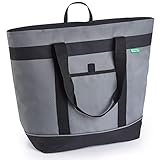
3. Pre-chill/freeze food and drinks: Everything going in should be cold. Freeze water bottles or juice boxes – they act as ice packs and give you cold water later.
- Good looks like: All your items are already cold or frozen.
- Mistake: Putting room-temperature items in. This wastes ice and compromises food safety.
4. Add a layer of ice: Start with block ice or frozen water bottles on the bottom. They melt slower.
- Good looks like: A solid base of ice.
- Mistake: Using only cubed ice. It melts way too fast.
Instead of just cubed ice, start with a layer of reusable ice packs or frozen water bottles at the bottom; they melt much slower and provide sustained cooling.

5. Pack heavy, dense items next: Think raw meats (double-bagged!), hard cheeses, and beverages.
- Good looks like: Items are packed snugly.
- Mistake: Leaving large air pockets. Air is the enemy of cold.
6. Pack perishables and frequently accessed items on top: Things like lunch meat, cheese slices, and ready-to-eat snacks.
- Good looks like: Items you’ll grab first are easily accessible.
- Mistake: Burying your lunch. You’ll be digging through everything, letting cold air escape.
7. Fill empty space: Use towels, extra bags of ice, or even crumpled newspaper.
- Good looks like: No significant gaps.
- Mistake: Letting things shift. Loose items can get crushed and air gets in.
8. Add a top layer of ice: More block ice or frozen bottles if you have space.
- Good looks like: The cooler is full.
- Mistake: Overpacking so the lid won’t seal. A good seal is crucial.
9. Close it up and keep it shaded: Don’t let it sit in direct sun.
- Good looks like: The cooler is in a cool spot.
- Mistake: Leaving it out in the sun. It’ll heat up like a greenhouse.
10. Minimize opening: Only open it when you need something, and close it fast.
- Good looks like: Quick access and immediate closure.
- Mistake: Leaving the lid open while you decide what to eat. Every second counts.
Common mistakes (and what happens if you ignore them)
| Mistake | What it causes | Fix |
|---|---|---|
| Packing into a warm cooler | Faster ice melt, food spoilage, lukewarm drinks | Pre-chill cooler and all contents. |
| Using only cubed ice | Ice melts too quickly, less efficient cooling | Use block ice or frozen water bottles for the base and bulk. Supplement with cubes if needed. |
| Leaving air gaps | Faster ice melt, temperature fluctuations | Fill all empty space with towels, extra ice, or crumpled paper. |
| Packing raw meat directly in cooler | Cross-contamination, potential leaks | Double-bag raw meats in sturdy, leak-proof containers or bags. |
| Opening the cooler frequently/leaving it open | Rapid temperature loss, increased ice melt | Plan meals, grab items quickly, and close the lid immediately. Designate one person to be the “cooler opener.” |
| Not securing the cooler in the vehicle | Items shift, potential spills, damaged cooler | Secure the cooler with straps or bungee cords, especially on rough terrain. |
| Not checking weather forecasts | Melting ice too fast, food spoilage, uncomfortable temps | Always check the forecast and pack accordingly. Consider a second, smaller cooler for drinks if it’s hot. |
| Not having a backup plan for ice | Running out of ice, food spoilage | Pack extra ice, or plan to buy more if your trip is long. Frozen water bottles are a great backup. |
| Storing cooler in direct sunlight | Rapid heating, faster ice melt | Keep the cooler in the shade, covered with a blanket, or in the vehicle (if not too hot). |
| Not thinking about order of use | Digging through the cooler, letting cold air escape | Pack items you’ll use last at the bottom, and those you’ll use first on top. |
To avoid rapid ice melt, swap out cubed ice for long-lasting reusable ice packs, which are far more efficient at maintaining cold temperatures.
Decision rules (simple if/then)
- If the temperature is expected to be above 80°F, then use extra ice because heat accelerates melting and spoilage.
- If you’re camping for more than two days, then plan to replenish ice or use two coolers: one for drinks, one for food.
- If you’re in bear country, then store your cooler with other food items in a bear-resistant canister or hang it properly, not in your tent.
- If you’re using a soft-sided cooler, then pack it tighter because they offer less insulation than hard-sided ones.
- If you’re going to be hiking and need to keep things cold at a trailhead, then use a small, well-packed cooler and keep it in the shade.
- If you’re unsure about the road conditions, then check with the local ranger district or land manager before you go.
- If you plan to cook hot meals, then pack your cooler with ingredients that can be pre-portioned or pre-chopped to save time and reduce opening.
- If you’re bringing dairy products, then make sure they are well-sealed and kept at the bottom of the cooler.
- If you want cold water for drinking, then freeze a few water bottles and use them as ice packs.
- If you’re camping near a water source, then do not assume it’s potable; always treat or filter water unless signs explicitly state it’s safe to drink.
- If you are concerned about food safety, then use a cooler thermometer to monitor the internal temperature.
FAQ
How long will ice last in a camping cooler?
It depends on the cooler quality, how often it’s opened, ambient temperature, and the type of ice. A good hard-sided cooler with block ice can last 3-5 days, sometimes longer in cool weather. Soft-sided coolers or frequent opening will drastically shorten that time.
Should I drain the water from my cooler as it melts?
Generally, no. The cold water actually helps keep things colder for longer. Only drain it if it’s getting too full or if you’re worried about soggy packaging.
What’s the best ice to use for camping?
Block ice melts slowest and is best for the bottom layer. Cubed ice is good for filling gaps and chilling drinks quickly, but it melts fast. Frozen water bottles are a great dual-purpose option – they act as ice and provide drinking water as they thaw.
How do I keep raw meat from spoiling in the cooler?
Double-bag raw meats in sturdy, leak-proof containers or bags. Pack them at the bottom of the cooler, surrounded by ice, and try to keep them separate from other items.
Can I use dry ice in my cooler?
Yes, but be careful. Dry ice is extremely cold and can cause frostbite. It also sublimates, releasing CO2 gas, so ensure your cooler has ventilation and never use it in a sealed vehicle or tent.
What’s the difference between a cooler for drinks and one for food?
A drink cooler is opened much more frequently. It’s best to keep it separate from your food cooler so you don’t lose precious cold air from the food storage. You can use cheaper ice or frozen water bottles in the drink cooler.
How do I prevent my cooler from smelling bad after a trip?
Clean it thoroughly with soap and water immediately after use. For stubborn odors, a baking soda paste or diluted vinegar solution can help. Let it air dry completely before storing.
What if I run out of ice?
If you’re near a town, buy more. If you’re remote, you might have to rely on non-perishable foods. Consider using frozen items as your primary ice source on future trips.
What this page does NOT cover (and where to go next)
- Specific bear-proofing techniques and regulations for different regions. (Check with local wildlife agencies or park services.)
- Detailed meal planning for camping trips. (Look for camping recipe guides.)
- Advanced cooler technology and performance reviews. (Research outdoor gear review sites.)
- Emergency food storage during extreme heat events. (Consult food safety guidelines from government health departments.)
- Proper disposal of food waste in sensitive ecosystems. (Review Leave No Trace principles.)

Camping Bob has spent over 20 years camping across the US — from BLM dispersed sites in the Southwest to KOA campgrounds in the Pacific Northwest. He writes practical, no-nonsense guides to help fellow campers get outdoors with confidence.