
Average Cost of Camping: Budgeting for Your Trip
Quick answer
- Dispersed camping can be free, but most developed campgrounds cost $15-$50 per night.
- Gear is a big upfront cost, but can be spread out or bought used.
- Factor in gas, food, and potential activity fees.
- Plan for $20-$75 per day for food and gas, depending on your location and menu.
- Activity costs vary wildly, from free hikes to expensive guided tours.
- Always budget a little extra for the unexpected.
What to check first (do this before you drive out)
Before you even think about packing the cooler, get a handle on the essentials. This saves headaches and keeps you legal.
- Land manager / legality: Who actually owns the land you want to camp on? Is it National Forest, BLM, a State Park, or private? Each has its own rules and fee structures. A quick look at their website or a call can clear this up. Don’t just pull over anywhere.
- Access/road conditions: Can your rig actually get there? Some forest roads are paved gems, others are rocky, rutted nightmares. Know if you need 4WD, high clearance, or if your sensible sedan will get you there. Mud season or snow can change everything.
- Fire restrictions + weather + wind: This is huge. Fire bans can be strict, sometimes meaning no fires at all, not even in established rings. Check the local ranger district or park service for current restrictions. Also, look at the forecast. High winds and camping don’t mix well, especially with an open fire.
- Water plan + waste plan (Leave No Trace): Where are you getting your water? Is there a spigot, or are you filtering from a stream? Plan accordingly. And what about trash? Pack it in, pack it out. Always. Leave the place cleaner than you found it. That’s the rule.
- Safety (wildlife, distance to help, comms): What critters share this space? Know what to do about bears, snakes, or whatever else is around. How far is the nearest town or ranger station? Cell service is often spotty, so let someone know where you’re going and when you expect to be back.
Step-by-step (field workflow)
Here’s how to actually budget once you’ve got your spot in mind.
1. Choose your camping style: Decide if you’re roughing it at a dispersed site or opting for amenities at a developed campground.
- Good: You know if you’re aiming for free and wild or paying for a picnic table and toilet.
- Mistake: Showing up at a dispersed site expecting a toilet. Avoid this by knowing your options.
2. Research campground fees: If you’re not dispersed camping, look up the nightly rate.
- Good: You know the exact cost per night for your chosen spot.
- Mistake: Assuming all campgrounds are cheap. Some popular spots can be surprisingly pricey. Check the official page for the specific site/agency.
3. Factor in travel costs (gas): Estimate your mileage and current gas prices.
- Good: You have a realistic figure for how much fuel you’ll burn getting there and back.
- Mistake: Underestimating how far your rig drinks gas, especially on rough roads.
4. Plan your food budget: Decide on your meals. Simple is usually cheaper.
- Good: You have a menu and a grocery list that fits your budget. Think ramen, trail mix, and easy-cook meals.
- Mistake: Planning gourmet meals that require tons of expensive ingredients and complex cooking.
5. Consider gear costs (if applicable): Are you buying new, renting, or borrowing?
- Good: You know if you need to buy a tent, sleeping bag, or stove, and have factored that in. Consider used gear; it’s a game-changer for saving cash.
- Mistake: Buying all brand-new, top-of-the-line gear for a single weekend trip.
And for a good night’s rest under the stars, a comfortable sleeping bag is an essential investment.

If you’re in the market for a new shelter, consider a reliable camping tent like this one for your adventures.

6. Budget for activities: Hiking is free, but tours or park entrance fees aren’t.
- Good: You’ve identified any costs for activities you want to do.
- Mistake: Forgetting that some national parks have hefty entrance fees on top of camping.
7. Include miscellaneous items: Think firewood, ice, permits, or small incidentals.
- Good: You’ve added a buffer for things you might have forgotten.
- Mistake: Thinking you have zero extra needs once the big items are covered.
8. Add a contingency fund: Always pad your budget a bit.
- Good: You have a little extra cash for emergencies or spontaneous treats.
- Mistake: Budgeting to the penny and then facing an unexpected expense.
Common mistakes (and what happens if you ignore them)
| Mistake | What it causes | Fix |
|---|---|---|
| Not checking fire restrictions | Fines, wildfires, disappointment | Check official sources before you go. Always. |
| Underestimating road conditions | Getting stuck, vehicle damage, missed reservations | Research road types, check recent conditions, know your vehicle’s limits. |
| Assuming water is available | Dehydration, carrying too much weight, illness | Plan your water sources and purification method. |
| Forgetting to pack out trash | Unattractive campsites, wildlife encounters, fines | Pack it in, pack it out. It’s that simple. |
| Not letting someone know your plans | Delayed rescue if something goes wrong | Leave a detailed itinerary with a trusted contact. |
| Overspending on initial gear | Buyer’s remorse, debt, gear gathering dust | Start with essentials, buy used, borrow, or rent. |
| Ignoring park entrance fees | Surprise costs at the gate, frustration | Check the park’s website for all associated fees. |
| Relying solely on cell service | No communication in emergencies, missed important info | Carry a map, compass, and consider a satellite messenger. |
| Not budgeting for food variety | Boring meals, impulse buys at expensive stores | Plan simple, varied meals and shop ahead. |
| Underestimating gas mileage | Running out of fuel, expensive detours | Use online calculators and factor in terrain. |
| Forgetting about permits/reservations | Being turned away, wasted travel time | Book ahead, especially for popular spots. Check permit needs. |
Decision rules (simple if/then)
- If you want to save money, then prioritize dispersed camping because it’s often free.
- If you need amenities like toilets and water, then expect to pay campground fees because developed sites cost money.
- If your vehicle is not 4WD or high clearance, then stick to paved roads or well-maintained gravel roads because rough terrain can damage your car.
- If fire restrictions are in place, then forgo campfires and use a camp stove because violating bans is dangerous and illegal.
- If you’re traveling a long distance, then calculate your gas costs carefully because fuel is a significant part of the budget.
- If you’re buying new gear, then research thoroughly because you don’t want to overspend on something you won’t use.
- If you’re going to a popular National Park, then check for entrance fees and reservation requirements because these add to the total cost.
- If you have limited cell service, then download offline maps and bring a physical map because you can’t rely on your phone for navigation.
- If you’re on a tight food budget, then plan simple, non-perishable meals because they are cheaper and easier to transport.
- If you plan on activities like guided tours, then research their costs beforehand because these can add up quickly.
- If you are unsure about conditions, then call the local ranger station or land manager because they have the most up-to-date information.
- If you want to keep costs down, then consider car camping close to home because it minimizes travel expenses.
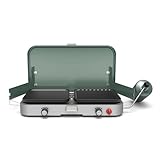
If fire restrictions are in place, then forgo campfires and use a reliable camping stove for all your cooking needs.
FAQ
How much does a campsite typically cost per night?
Developed campgrounds usually range from $15 to $50 per night. Dispersed camping on public lands like National Forests or BLM land is often free.
Is camping gear a major expense?
It can be for the initial setup, but it doesn’t have to be. You can find great used gear, borrow from friends, or rent items if you’re just starting out.
What’s the biggest hidden cost of camping?
Often, it’s food and gas. Planning your meals and knowing your vehicle’s fuel efficiency is key to controlling these costs.
Are there fees for National Parks beyond camping?
Yes, most National Parks have entrance fees, which can range from $20 to $35 per vehicle for a week-long pass. Some also have separate fees for specific areas or activities.
How can I save money on food while camping?
Stick to simple, non-perishable items like pasta, rice, canned goods, and trail mix. Pre-making some meals at home also saves money and time.
What if I want to do activities like kayaking or fishing?
You’ll need to budget for rentals, permits, or guided tours. These costs vary widely depending on the activity and location.
Is firewood included in campground fees?
Rarely. You’ll usually need to purchase firewood separately, often from the campground host or a local vendor. Don’t haul firewood long distances, as it can spread invasive pests.
What’s a good buffer amount to add to my budget?
Adding 10-15% of your total estimated cost for unexpected expenses is a smart move. It covers forgotten items or small emergencies.
What this page does NOT cover (and where to go next)
- Specific campsite booking platforms and their associated fees. (Next: Research reservation systems.)
- Detailed breakdown of gear costs for specific activities like backpacking or winter camping. (Next: Explore gear guides for your chosen style of camping.)
- Legal ramifications of violating camping regulations. (Next: Review land manager rules and regulations.)
- Detailed meal planning for specific dietary needs or long trips. (Next: Look for camping-specific recipe resources.)
- How to find free dispersed camping spots in specific regions. (Next: Learn about identifying legal dispersed camping areas.)

Camping Bob has spent over 20 years camping across the US — from BLM dispersed sites in the Southwest to KOA campgrounds in the Pacific Northwest. He writes practical, no-nonsense guides to help fellow campers get outdoors with confidence.