
Keeping Ice Cream Frozen in a Cooler: Tips and Tricks
Quick answer
- Pre-chill your cooler overnight.
- Pack it tight with frozen items.
- Use dry ice for serious chilling power.
- Block ice lasts longer than cubes.
- Minimize opening the cooler.
- Keep it in the shade.
- Consider an electric cooler if you’re serious.
What to check first (do this before you drive out)
Before you even think about loading up, get your ducks in a row. This isn’t just about convenience; it’s about saving that precious pint.
- Cooler Type and Condition: Is your cooler a trusty old beast or a flimsy thing? A good quality cooler with thick insulation is your first line of defense. Check the seals – no cracks or gaps. A damaged seal is like a leaky faucet for cold air.
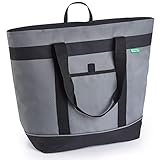
A high-quality insulated cooler is crucial for keeping ice cream frozen. Look for models with thick insulation and good seals.
- Ice Strategy: What kind of ice are you bringing? Cubes melt fast. Block ice is your friend for long hauls. Dry ice? That’s next-level stuff, but handle with care. Make sure you have enough, and then some. Better too much than too little.
- Packing Plan: How will you arrange things? Frozen items should go in first, touching the bottom and sides. Fill empty spaces. Air is the enemy of cold. Think of it like a puzzle; every gap filled keeps the cold locked in.
- Location, Location, Location: Where will the cooler live once you get to camp? Direct sun is a death sentence for ice cream. Find the shadiest spot you can. Under a tree, under a tarp, inside a vehicle – anywhere out of the sun’s direct glare.
- Travel Time: How long is the drive? A short hop is one thing, a full day on the road is another. Factor this into your ice and cooler choice. A quick trip might be fine with regular ice, but a long haul demands more robust solutions.
Step-by-step (field workflow)
Here’s how to make sure your ice cream survives the journey from the grocery store freezer to your campsite.
1. Pre-Chill Your Cooler:
- What to do: The night before, fill your cooler with ice packs or bags of ice. You can even use frozen water bottles. Close it up tight and let it sit.
- What “good” looks like: The cooler’s interior feels seriously cold to the touch. No warmth lingering.
- Common mistake: Throwing your cold food into a room-temperature cooler. This forces the ice to work overtime just to cool the cooler itself, robbing your ice cream of precious cold. Avoid this by chilling the cooler first.
Pre-chill your cooler effectively by filling it with reusable ice packs or bags of ice the night before.

2. Freeze Everything Solid:
- What to do: Make sure your ice cream is rock solid before it goes anywhere near the cooler. Same for any other frozen items.
- What “good” looks like: Your ice cream carton feels like a brick. No soft spots at all.
- Common mistake: Packing slightly soft ice cream, thinking it will just refreeze. It won’t. It’ll just get icier and less creamy, or worse, melt. Always start with fully frozen.
3. Layer Your Ice:
- What to do: Place a thick layer of ice (block ice is best for the bottom) at the very bottom of the cooler.
- What “good” looks like: A solid, cold base of ice that will keep the rest of your items frigid from below.
- Common mistake: Not putting enough ice at the bottom, or using only ice cubes. Cubes melt too quickly and leave air pockets.
4. Pack Frozen Items Tightly:
- What to do: Place your frozen ice cream and other frozen goods on top of the bottom ice layer. Pack them in snugly, filling all available space.
- What “good” looks like: Your frozen items are packed like Tetris pieces, with no significant air gaps between them.
- Common mistake: Leaving large empty spaces between frozen items. Air circulates and warms things up. Fill those gaps with more ice or frozen water bottles.
5. Add More Ice:
- What to do: Fill any remaining spaces around and on top of your frozen items with more ice. Again, block ice is superior, but cubes can fill smaller gaps.
- What “good” looks like: The cooler is packed full, with ice surrounding all your frozen goods.
- Common mistake: Underestimating how much ice you need. It’s always better to have too much ice than not enough.
6. Consider Dry Ice (Optional but Effective):
- What to do: If using dry ice, place it on top of your frozen items, separated by a layer of cardboard or newspaper. Never place dry ice directly on food or against the cooler walls. Ensure good ventilation.
- What “good” looks like: A constant, frosty vapor emanating from the cooler, indicating intense cold.
- Common mistake: Not handling dry ice safely (it can cause frostbite) or not allowing for ventilation (it releases CO2 gas). Always wear gloves and ensure your cooler isn’t hermetically sealed.
7. Seal It Up Tight:
- What to do: Close the cooler lid firmly, ensuring the seals engage properly.
- What “good” looks like: The lid clicks shut securely, creating an airtight seal.
- Common mistake: Not closing the lid all the way, or leaving it ajar. This lets all the cold air out and warm air in.
8. Keep It Out of the Sun:
- What to do: Place the cooler in the absolute shadiest spot available at your campsite. Under a dense tree canopy, inside a vehicle (if not too hot), or under a reflective tarp.
- What “good” looks like: The cooler is consistently shaded throughout the day, feeling cool to the touch even after hours.
- Common mistake: Leaving the cooler in direct sunlight, especially on a hot day. This heats the cooler’s exterior rapidly, transferring heat to the interior.
9. Minimize Opening:
- What to do: Resist the urge to constantly check on your ice cream or grab other items. Open the cooler only when absolutely necessary and close it quickly.
- What “good” looks like: The cooler is opened infrequently, and each time it’s shut within seconds.
- Common mistake: Opening the cooler for every little thing, or leaving it open while you rummage around. Each opening is a significant loss of cold air.
10. Drain Meltwater (Carefully):
- What to do: As ice melts, it turns into water. While some people leave it, draining some meltwater can actually help keep things colder longer, as the cold ice is in contact with colder water. Do this quickly.
- What “good” looks like: You’ve drained a bit of water without letting much cold air escape.
- Common mistake: Leaving the cooler open for too long while draining, or draining all the water and leaving air pockets.
Common mistakes (and what happens if you ignore them)
| Mistake | What it causes | Fix |
|---|---|---|
| Packing into a warm cooler | Ice melts much faster, ice cream softens or melts. | Pre-chill cooler overnight with ice or ice packs. |
| Using only ice cubes | Cubes melt quickly, creating air pockets and less consistent cold. | Use block ice for the base and fill gaps with cubes or frozen water bottles. |
| Leaving empty space in the cooler | Air circulates, warming up the contents faster. | Pack cooler tightly with frozen items and ice; fill all gaps. |
| Opening the cooler frequently | Cold air escapes, warm air enters, accelerating melting. | Plan what you need, open only when necessary, and close it quickly. |
| Placing cooler in direct sunlight | Cooler exterior heats up, transferring heat to the inside. | Always place the cooler in the shadiest spot available. |
| Not freezing ice cream solid enough | Ice cream starts soft and will only get icier, not creamy. | Ensure ice cream is completely frozen before packing. |
| Not using enough ice | Insufficient cold source means contents warm up faster. | Pack with as much ice as possible, prioritizing block ice. |
| Leaving lid ajar | Constant loss of cold air, rapid warming of contents. | Ensure the lid is closed completely and the seals are engaged. |
| Using dry ice improperly | Can cause frostbite or suffocation if not ventilated. | Wear gloves, use cardboard separation, and ensure ventilation. |
| Not considering travel time | Underestimating the cooling needs for a long journey. | Match your ice strategy and cooler type to the duration of your trip. |
| Packing warm items with frozen items | Warm items will suck the cold out of everything else. | Keep frozen and non-frozen items in separate coolers or pack frozen items first and surround with ice. |
| Not draining meltwater (in some cases) | Can create a layer of warmer water around the ice, reducing efficiency. | Drain some meltwater quickly, but don’t leave the cooler open. |
Decision rules (simple if/then)
- If your trip is longer than 8 hours, then use block ice because it melts slower than cubes.
- If you are camping in a very hot climate, then bring extra ice and consider a high-performance cooler because heat accelerates melting.
- If you are worried about your ice cream melting, then consider an electric cooler because they actively cool rather than just insulate.
- If you are transporting dry ice, then wear gloves and use tongs because it can cause severe frostbite.
- If your cooler has a leaky seal, then consider patching it or getting a new one because a bad seal defeats the purpose of insulation.
- If you plan to open the cooler often, then pack it extra full of ice because each opening costs you cold.
- If you are packing for a short day trip, then a standard cooler with cubes might suffice because the time in transit is minimal.
- If you are packing delicate items like ice cream, then place them in the center of the cooler, surrounded by ice, because this offers the most stable temperature.
- If you are unsure about fire restrictions, then check the local land manager’s website before you go because campfires can be banned.
- If you notice your ice is melting unusually fast, then check for direct sunlight or frequent openings because these are the usual culprits.
- If you are going to be far from services, then pack a backup plan for keeping things cold, like a secondary cooler or extra ice, because you won’t be able to restock easily.
- If you are using a cooler as your primary food storage, then consider its capacity carefully because you need enough space for food and sufficient ice.
FAQ
How long will ice cream stay frozen in a cooler?
It really depends on the cooler quality, the amount and type of ice, how often you open it, and the outside temperature. A good cooler with block ice, kept in the shade and opened rarely, might keep things frozen for 1-3 days.
The quality of your insulated cooler significantly impacts how long ice cream stays frozen. Investing in a good one can make a big difference.
Is dry ice safe to use in a regular cooler?
Yes, but with precautions. Use gloves when handling it, separate it from food with cardboard, and ensure the cooler isn’t sealed airtight, as dry ice releases CO2 gas. It’s extremely cold, so direct contact can cause frostbite.
Should I drain the meltwater from my cooler?
Some say yes, some say no. Draining meltwater can keep the remaining ice in contact with colder water, potentially extending chill time. However, opening the cooler to drain lets warm air in. It’s a trade-off; do it quickly if you choose to.
What’s the difference between block ice and cube ice for coolers?
Block ice has less surface area relative to its volume, so it melts much slower than the same weight of ice cubes. Cubes are good for quickly chilling drinks or filling small gaps. Block ice is best for maintaining a long-term cold environment.
Can I put my ice cream directly on the ice?
It’s best to put a layer of ice at the bottom, then your frozen items, then more ice on top. Some recommend a barrier like cardboard between the ice cream and direct ice contact, especially if using dry ice, to prevent freezer burn or excessive hardening.
What if my cooler isn’t a fancy brand?
You can still make it work! The key is to pack it tighter, use more ice (especially block ice), pre-chill it thoroughly, and be extra diligent about keeping it in the shade and minimizing openings.
How can I keep my cooler cold longer if I don’t have dry ice?
Focus on maximizing your block ice. Freeze water bottles to use as ice packs that provide drinking water as they melt. Double-layer your cooler with a smaller cooler inside a larger one, with ice in between.
What about electric coolers? Are they worth it for ice cream?
Electric coolers (thermoelectric or compressor-driven) actively cool, rather than relying solely on ice. They can maintain consistent temperatures for extended periods, making them excellent for keeping things like ice cream frozen, but they require a power source.
What this page does NOT cover (and where to go next)
- Specific campsite reservation systems or booking platforms.
- Detailed regulations on campfires or food storage for specific wildlife.
- In-depth reviews of individual cooler brands or models.
- Advanced techniques for preserving perishable food beyond ice cream.
- Legal requirements for camping in national parks or forests.
Go check the official websites for the National Park Service, Forest Service, or Bureau of Land Management for the specific area you plan to visit. Look into resources on Leave No Trace principles for responsible outdoor recreation.