
Building a Safe Campfire in the Woods: Step-by-Step
Quick answer
- Always check fire restrictions before you even think about lighting one. Seriously.
- Clear a 10-foot radius around your fire pit. No exceptions.
- Use a designated fire ring or pit whenever possible. It’s there for a reason.
- Keep water and a shovel nearby. Always.
- Never leave a fire unattended. Not even for a minute.
- Douse your fire completely before you leave or go to sleep. Think cold, not just dead.
What to check first (do this before you drive out)
Before you even load the truck, get your ducks in a row. This isn’t the time to wing it.
- Land manager / legality: Who’s in charge of the land you’re visiting? Is it National Forest, BLM, a state park, or private land? Each has its own rules. A quick look at their website or a phone call can save you a big headache. Sometimes, fires are just a no-go.
- Access/road conditions: How are the roads looking? Is your rig up for it, or will you be scraping the bottom? Wet roads can turn into mud pits fast. Know your vehicle’s limits and the road’s. A standard sedan might be fine on pavement, but a high-clearance 4×4 is a different story.
- Fire restrictions + weather + wind: This is HUGE. Check the local fire danger level. Is it high, extreme, or is there a burn ban in effect? Look at the forecast for rain, but more importantly, wind. Gusty conditions can make a campfire dangerous real quick. I’ve seen embers fly a football field away.
- Water plan + waste plan (Leave No Trace): Got enough water to put your fire out? Plan on bringing it. And what about trash? Pack it in, pack it out. That includes all your campfire-related stuff. Leave No Trace principles are key out here.
A reliable collapsible water container is essential for having enough water on hand to extinguish your fire completely and safely.

- Safety (wildlife, distance to help, comms): Are there bears or other critters around? Keep your food secured, and don’t leave anything smelling tempting near your fire. How far is the nearest ranger station or town? Cell service is often spotty. Let someone know where you’re going and when you expect to be back.
Step-by-step (field workflow)
Alright, you’ve done your homework. Now it’s time to get that fire going safely.
1. Choose your spot.
- What to do: Find a designated fire ring or pit if one exists. If not, pick a spot on bare soil or sand, away from trees, bushes, and overhanging branches. Look for a place sheltered from the wind.
- What “good” looks like: A clear, established area that minimizes impact.
- Common mistake: Using a spot that’s too close to vegetation or under low-hanging branches. This is how fires get out of control.
2. Clear the area.
- What to do: Create a 10-foot radius of bare ground around your fire pit. Remove all leaves, pine needles, grass, twigs, and anything flammable. Dig down to mineral soil if necessary.
- What “good” looks like: A wide, clean circle where nothing can catch fire.
- Common mistake: Only clearing a small circle. A stray spark can easily jump beyond that.
3. Gather your fuel.
- What to do: Collect dry, dead wood. You’ll need three types: tinder (tiny, fluffy stuff like birch bark or dry grass), kindling (pencil-thick twigs), and fuel wood (wrist-thick branches). Only gather wood that’s already on the ground. Never cut live trees or branches.
- What “good” looks like: A neat pile of dry wood, sorted by size.
- Common mistake: Gathering wet wood or green branches. They won’t burn well and create a lot of smoke.
4. Build the fire structure.
- What to do: Place a small bundle of tinder in the center of the pit. Arrange kindling around it in a teepee or log cabin shape, leaving space for air.
- What “good” looks like: A structure that allows air to flow and tinder to ignite easily.
- Common mistake: Packing the kindling too tightly, starving the flame of oxygen.
5. Light the tinder.
- What to do: Use a match or lighter to ignite the tinder. Shield it from wind. Gently blow on the ember if needed to help it catch.
- What “good” looks like: A small, steady flame.
- Common mistake: Trying to light the kindling directly. The tinder is your starter.
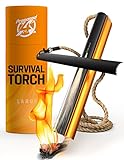
For a reliable start, consider bringing a camping fire starter kit. It can make igniting your tinder much easier, especially in damp conditions.
6. Feed the flame.
- What to do: As the kindling catches, slowly add more kindling. Once you have a good flame, begin adding smaller pieces of fuel wood. Gradually increase the size of the wood as the fire grows.
- What “good” looks like: A growing fire that’s consuming the wood efficiently.
- Common mistake: Adding too much wood too soon, smothering the flames.
7. Manage the fire.
- What to do: Keep the fire contained within the pit. Add logs as needed to maintain a manageable flame. Don’t build a bonfire.
- What “good” looks like: A controlled fire that’s doing its job without getting out of hand.
- Common mistake: Letting the fire get too big or letting logs roll out of the pit.
8. Keep safety tools handy.
- What to do: Always have a bucket of water and a shovel within easy reach. These are your fire-fighting tools.
- What “good” looks like: Immediate access to suppression tools.
- Common mistake: Thinking you won’t need them. Murphy’s Law applies to campfires.
Always keep a folding camp shovel and a bucket of water nearby. These are crucial tools for managing and extinguishing your campfire safely.

9. Never leave it unattended.
- What to do: Someone must be actively watching the fire at all times. This means no naps, no long hikes away from camp while it’s burning.
- What “good” looks like: Constant, vigilant supervision.
- Common mistake: Stepping away for “just a minute” to grab something from the car.
10. Extinguish completely.
- What to do: Douse the fire with water. Stir the ashes and embers with a shovel. Add more water. Repeat until everything is cool to the touch. If it’s too hot to touch, it’s too hot to leave.
- What “good” looks like: Cold, dead ashes. No smoke, no glowing embers.
- Common mistake: Not stirring the ashes thoroughly. Hot coals can hide deep inside.
Common mistakes (and what happens if you ignore them)
| Mistake | What it causes | Fix |
|---|---|---|
| Ignoring fire restrictions | Fines, jail time, and starting a wildfire that destroys homes and habitats. | Check the official land manager’s website or call them before you go. Assume fires are banned unless told otherwise. |
| Building a fire too close to trees/bushes | The fire spreads rapidly into surrounding vegetation, leading to a wildfire. | Clear a minimum 10-foot radius of all flammable material down to mineral soil. Keep flames low and contained. |
| Not having water/shovel nearby | Inability to quickly extinguish escaping embers or a small flare-up. | Always have a bucket of water and a shovel ready. Make sure they’re easily accessible from your fire pit. |
| Leaving the fire unattended | Embers can ignite dry grass or leaves, starting an out-of-control fire. | Assign a dedicated fire watcher. No one leaves the fire until it’s completely out and cold. |
| Using wet or green wood | Smoldering, smoky fire that produces little heat and is hard to manage. | Collect only dry, dead wood that snaps easily. Store it off the ground to keep it dry. |
| Building a fire too large | Difficult to control, wastes wood, and increases the risk of embers escaping. | Keep flames to a manageable size that fits within your fire pit. Focus on quality over quantity. |
| Not stirring ashes when extinguishing | Hot coals can remain hidden and reignite later, especially if wind picks up. | Douse with water, stir thoroughly with a shovel, then douse again. Repeat until cool to the touch. |
| Burning trash or plastics | Releases toxic fumes, leaves non-biodegradable residue, and attracts animals. | Pack out all trash. Only burn natural wood that will turn to ash. |
| Not checking wind conditions | Gusts can blow embers far and wide, igniting dry vegetation. | Check the weather forecast. If it’s windy, consider skipping the fire or using a very small, contained one. |
| Using accelerants like gasoline | Explosive flare-ups, burns, and uncontrolled fires. | Never use gasoline or other flammable liquids to start or revive a fire. Use tinder and kindling. |
Decision rules (simple if/then)
- If fire restrictions are in place, then do not build a fire because it’s illegal and dangerous.
- If the wind is gusting over 15-20 mph, then reconsider building a fire because embers can travel easily.
- If you are in a forested area with dry undergrowth, then be extra cautious with clearing and fire management because the risk is higher.
- If you are camping in a developed campground with designated fire rings, then use them because they are designed for safety.
- If you don’t have a reliable way to extinguish the fire completely (water, shovel), then don’t start one because leaving a fire smoldering is a major hazard.
- If you are unsure about the land manager’s rules, then err on the side of caution and skip the fire until you can confirm legality.
- If you see any sparks or embers escaping the fire pit, then immediately use your shovel and water to put them out because they can start a wildfire.
- If you plan to leave your campsite, even for a short time, then ensure the fire is completely extinguished first because nobody should be left in charge of a burning fire.
- If you are having trouble getting your fire started with dry tinder and kindling, then check your airflow and wood dryness rather than resorting to accelerants.
- If you are camping in a high-use area, then be mindful of potential fire bans and increased scrutiny from rangers.
- If you are responsible for a campfire, then accept that responsibility fully and stay vigilant.
FAQ
Q: What’s the best way to put out a campfire?
A: Douse it with plenty of water, stir the ashes and embers with a shovel, and then douse it again. Repeat until it’s cold to the touch. Seriously, cold.
When extinguishing your fire, a sturdy folding camp shovel is indispensable for stirring ashes and embers to ensure everything is cool to the touch.
Q: Can I just use rocks to make a fire pit?
A: It’s generally better to use existing fire rings. If you must build one, use rocks that are not porous or wet, as they can explode when heated. Always clear the area thoroughly first.
Q: What kind of wood should I burn?
A: Dry, dead, downed wood is best. Hardwoods like oak and maple burn longer and hotter than softwoods like pine. Avoid green wood or wood with bark still on it, as it smokes a lot.
Q: How much water do I need to put out a fire?
A: More than you think. It’s better to have too much than not enough. A 5-gallon bucket is a good minimum, but a cooler full of water works too.
Q: What if I see a wildfire starting?
A: Get yourself to safety immediately and call 911 or the local emergency number. Report the fire with as much detail as possible.
Q: Is it okay to burn my trash in the campfire?
A: No. Burning trash releases toxic fumes and leaves non-biodegradable residue. Pack out all your trash.
Q: How do I know if it’s too windy to have a fire?
A: If you can’t hold your hand steady in the wind without it being blown around, it’s probably too windy. If leaves and small twigs are blowing around your campsite constantly, that’s a red flag.
Q: What if I can’t find any dry wood?
A: If you can’t find dry wood, you probably shouldn’t be having a fire. It’s better to go without than to try and burn wet or green wood, which is inefficient and smoky.
What this page does NOT cover (and where to go next)
- Specific details on local fire bans or restrictions (check with the land manager).
- Advanced fire-starting techniques for survival situations (look for wilderness survival guides).
- Legal ramifications for fire violations (consult local regulations or park rangers).
- Building campfires in extremely wet or snowy conditions (requires specialized knowledge).
- The use of portable fire pits or stoves (different rules may apply).