
Simple Cooking: How to Make a Foil Packet Meal
Quick answer
- Prep ingredients at home. Chop veggies, portion meat.
- Use heavy-duty foil. Two layers are better than one.
- Seal it tight. No leaks, no steam escapes.
- Cook over coals, not direct flame. Even heat is key.
- Let it rest. Hot food needs a minute to settle.
- Clean up thoroughly. Pack it in, pack it out.
What to check first (do this before you drive out)
Before you even think about tossing ingredients into foil, get your ducks in a row. This isn’t just about a tasty meal; it’s about being smart and safe out there.
- Land manager / legality: Who’s in charge of the dirt you’re camping on? Is it National Forest, BLM land, a State Park, or private? Each has its own rules. Some places might have fire bans that affect how you can cook. Always check the official website or call the ranger station. I learned that the hard way once, thinking I could have a small fire on land that was actually restricted. Oops.
- Access/road conditions: Can your rig actually get to your spot? Some backcountry roads are rough. Think about your vehicle’s clearance, if you need 4WD, and what the weather might have done to the road. Mud, snow, or washouts can turn a fun drive into a tow truck situation.
- Fire restrictions + weather + wind: This is huge for cooking. Check current fire restrictions. If there’s a ban, you might be limited to a camp stove. Also, look at the forecast. Rain can put out your fire, and strong winds can make cooking tricky and dangerous.
- Water plan + waste plan (Leave No Trace): Where will you get water for cooking and cleaning? How will you dispose of your waste? Pack out everything you pack in, including food scraps and used foil. This is core Leave No Trace. Don’t leave a mess for the next person or the wildlife.
- Safety (wildlife, distance to help, comms): Be aware of your surroundings. Store food properly to avoid attracting animals. Know how far you are from any help if something goes wrong. Cell service can be spotty, so have a plan for communication or know your limits.
Step-by-step (how to make a foil packet meal)
This is where the magic happens. Foil packets are seriously foolproof once you get the hang of it.
1. Prep ingredients at home.
- What to do: Chop all your veggies, dice your meat or protein, and mix any seasonings or sauces. Portion everything out into individual bags or containers.
- What “good” looks like: Everything is ready to go, clean, and organized. You’ve done the messy work at your kitchen sink, not by a creek.
- Common mistake: Bringing whole carrots or a big block of cheese. You’ll spend ages chopping at camp with limited tools and more mess.
2. Cut your foil.
- What to do: Tear off a large piece of heavy-duty aluminum foil. You want enough to completely wrap your ingredients. Aim for about 18-24 inches.
- What “good” looks like: A generous sheet of foil that can be folded over multiple times to create a secure packet.
- Common mistake: Using regular, thin foil. It tears easily, leading to leaks and burnt food. Double up if you must, but heavy-duty is best.
For best results, we recommend using a high-quality heavy-duty aluminum foil to prevent tears and leaks.

3. Layer your ingredients.
- What to do: Place your ingredients in the center of the foil. Start with harder veggies or raw meat at the bottom, then add softer veggies and any sauces or liquids.
- What “good” looks like: A balanced mix of ingredients, not piled too high. Leave some space for steam to circulate.
- Common mistake: Overstuffing the packet. This makes it hard to seal and can lead to uneven cooking.
4. Add liquid and seasoning.
- What to do: Drizzle with a little oil, broth, water, or sauce. Add your spices, salt, and pepper.
- What “good” looks like: Just enough moisture to help steam the ingredients and carry flavor. Not so much that it sloshes out.
- Common mistake: Forgetting liquid altogether. Your food will be dry and possibly burnt.
5. Seal the packet.
- What to do: Bring the long edges of the foil together and fold them down multiple times, creating a tight seam. Then, fold in the side edges to seal everything off.
- What “good” looks like: A completely sealed packet with no gaps. It should look like a sturdy pouch.
- Common mistake: Not sealing it tightly. This is the number one reason for leaks and burnt food. Steam needs to be trapped.
6. Prepare your cooking fire/coals.
- What to do: Get a good bed of hot coals going. You want consistent, even heat. Avoid cooking directly over roaring flames.
- What “good” looks like: A pile of glowing embers, not active flames licking at your packet.
- Common mistake: Trying to cook over direct, high flames. This will char the outside of your packet before the inside is cooked.
7. Place packets on coals.
- What to do: Carefully place your sealed foil packets directly onto the hot coals.
- What “good” looks like: Packets resting on a stable bed of coals, not precariously balanced.
- Common mistake: Dropping packets into the fire or placing them on unstable ground. You don’t want to lose your dinner.
8. Cook and flip.
- What to do: Cook for about 15-25 minutes, depending on ingredients. Flip the packets halfway through.
- What “good” looks like: Even cooking on both sides. You might hear a gentle sizzle.
- Common mistake: Forgetting to flip. This leads to one side being overcooked and the other undercooked.
9. Check for doneness.
- What to do: Carefully remove a packet from the coals. Use tongs or heat-resistant gloves. Open it slightly (watch out for steam!) and check if the meat is cooked through and veggies are tender.
- What “good” looks like: Everything is cooked to your liking. Meat is no longer pink, and vegetables are easily pierced with a fork.
- Common mistake: Under-cooking. It’s always better to cook a little longer than to eat underdone food.
10. Rest the packets.
- What to do: Once cooked, move the packets off the direct heat to a cooler spot for a few minutes.
- What “good” looks like: The food has a chance to settle and the juices redistribute.
- Common mistake: Digging in immediately. The food is extremely hot, and letting it rest makes it safer and tastier.
11. Serve and enjoy.
- What to do: Carefully open the packets the rest of the way. Eat directly from the foil or transfer to a plate if you have one.
- What “good” looks like: A delicious, hot meal with minimal cleanup.
- Common mistake: Burning your mouth on super-hot food. Patience, my friend.
12. Clean up.
- What to do: Let the foil packets cool completely. Then, pack them out with all other trash.
- What “good” looks like: Your campsite is cleaner than you found it. All waste is properly disposed of.
- Common mistake: Leaving foil packets behind. They are trash and can harm wildlife.
Common mistakes (and what happens if you ignore them)
| Mistake | What it causes | Fix |
|---|---|---|
| Using thin foil | Leaks, burnt food, packets falling apart | Use heavy-duty foil; double up if necessary. |
| Overstuffing the packet | Uneven cooking, difficult to seal, ingredients spill out | Portion ingredients reasonably; leave space for steam. |
| Not sealing tightly | Leaks, steam escapes, food dries out or burns | Fold edges multiple times to create a secure, airtight seal. |
| Cooking over direct flames | Charred exterior, undercooked interior | Cook over hot coals for even, consistent heat. |
| Forgetting liquid | Dry, tough food; potential for burning | Add a splash of broth, water, oil, or sauce for moisture and flavor. |
| Not flipping packets | Uneven cooking; one side burnt, the other undercooked | Flip packets halfway through cooking for balanced heat exposure. |
| Digging in immediately | Burns from extremely hot food, juices run out | Let packets rest for a few minutes after cooking. |
| Leaving trash behind | Environmental damage, harm to wildlife, ruins the experience for others | Pack out <em>everything</em> you pack in; leave no trace. |
| Not checking fire restrictions | Illegal activity, fines, potential for starting a wildfire | Always verify current fire restrictions with the land manager before your trip. |
| Bringing un-prepped food | Time wasted chopping at camp, more mess, less enjoyable cooking experience | Do as much prep work as possible at home before you leave. |
| Not considering road access | Getting stuck, vehicle damage, needing a tow | Research road conditions and your vehicle’s capabilities before heading to remote campsites. |
| Ignoring weather forecasts | Unpleasant cooking conditions, potential for fire to go out or get out of control | Check the forecast and plan accordingly; have backup cooking methods if needed. |
Decision rules (simple if/then)
- If fire restrictions are in place, then use a camp stove or prepared cooking system because open fires might be prohibited.
- If you are car camping with a cooler, then prep ingredients at home because it saves time and hassle at the campsite.
- If you are backpacking, then choose lightweight, quick-cooking ingredients because every ounce counts and you’ll want to eat sooner.
- If the weather is windy, then use a windscreen for your stove or find a sheltered spot for coals because wind can make cooking difficult and dangerous.
- If you are unsure about road conditions, then check with the local ranger station or BLM office because they have the most up-to-date information.
- If you are cooking raw meat, then ensure it’s fully cooked to a safe internal temperature because undercooked meat can cause illness.
- If you have limited cooking time, then choose quick-cooking items like fish, shrimp, or pre-cooked sausage because they require less time over the heat.
- If you are in bear country, then store all food, including raw ingredients and finished meals, in bear-resistant containers or hang them properly because attracting bears is dangerous for everyone.
- If your packet starts to leak during cooking, then carefully remove it from the heat and try to reinforce the seal or transfer contents to a new packet if possible because leaks mean lost flavor and potential burns.
- If you are unsure how long to cook, then err on the side of caution and cook a little longer because undercooked food is a bigger problem than slightly overcooked food.
- If you are using a new cooking spot, then check for overhead hazards like dead branches before setting up your fire because falling debris can be a serious risk.
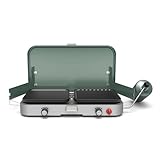
If fire restrictions are in place, a portable camping stove is an excellent alternative for cooking your foil packet meals safely.
FAQ
What kind of foil is best for cooking packets?
Heavy-duty aluminum foil is your best bet. It’s thicker, more durable, and less likely to tear than standard foil, which is crucial for preventing leaks and burnt food.
When choosing foil, opt for a reliable heavy-duty aluminum foil to ensure your packets hold up to the heat and contents.
Can I cook foil packets directly on flames?
It’s generally not recommended. Flames are too hot and inconsistent, which can char the outside of your packet before the inside is cooked. Hot coals provide more even, sustained heat for better results.
How do I know when my foil packet meal is done?
The best way is to carefully open a packet (watch out for steam!) and check your ingredients. Meat should be cooked through, and vegetables should be tender when poked with a fork. Cooking times vary based on ingredients and heat.
What are some good ingredient combinations for foil packets?
Classic combos include chicken and veggies (like bell peppers, onions, potatoes), sausage and peppers, fish with lemon and asparagus, or even ground beef with potatoes and carrots. Get creative!
How much liquid should I add to my foil packet?
You don’t need much, just enough to create steam and keep things moist. A few tablespoons of broth, water, oil, or sauce are usually sufficient. Too much liquid can make the packet soggy and hard to seal.
What if my foil packet leaks?
If it leaks, carefully remove it from the heat. You might be able to reinforce the seal if it’s a small tear. For a bigger leak, transfer the contents to a new, well-sealed packet if you have the supplies and time.
How do I handle food safety with raw meat in foil packets?
Prep raw meat separately, wash your hands thoroughly after handling it, and ensure the meat is cooked to a safe internal temperature. Avoid cross-contamination with other ingredients.
Can I make foil packet meals ahead of time?
Yes, you can assemble them at home and store them in a cooler. Just make sure they are well-sealed to prevent any leakage or contamination during transport.
What this page does NOT cover (and where to go next)
- Advanced campfire cooking techniques beyond foil packets.
- Specific recipes with exact measurements for every ingredient.
- Detailed instructions on building different types of campfires.
- Information on specialized camping cookware like Dutch ovens or cast iron skillets.
- Navigation and map reading skills for reaching remote campsites.
- First aid and emergency preparedness for wilderness situations.