
Keep Your Beer Cold While Camping
Quick answer
- A good cooler is your best friend. Pre-chill everything.
- Use block ice or frozen water bottles. They last longer.
- Pack your cooler smart. Keep the cold stuff together.
- Minimize opening it. Every time air gets in, warmth follows.
- Consider a portable fridge for longer trips. It’s a game-changer.
- Dry ice is an option for serious cold, but handle with care.
- Shade is your friend. Keep that cooler out of the sun.
What to check first (do this before you drive out)
Before you even think about packing the cooler, get this stuff sorted. It makes all the difference between frosty brews and lukewarm disappointment.
- Land manager / legality: Who’s in charge out there? Is it US Forest Service, BLM, a state park, or private land? Each has its own set of rules. Know who to ask if you have questions. Check their website or give them a call. Don’t just show up blind.
- Access/road conditions: Can your rig actually get there? Is it paved, gravel, or just a suggestion of a trail? A Subaru might be fine for some spots, but others demand 4WD and decent clearance. Mud, snow, or washouts can turn a fun trip into a tow-truck situation. I learned that the hard way once.
- Fire restrictions + weather + wind: This is crucial. Fire bans are no joke, and they can change fast. Check the local fire danger level. Also, look at the forecast. Extreme heat means your cooler works overtime. Strong winds can be miserable and can whip up dust.
- Water plan + waste plan (Leave No Trace): How are you getting water? Is there a potable source, or are you bringing it all? And what about waste? Pack it in, pack it out. This is non-negotiable. Leave the place better than you found it.
- Safety (wildlife, distance to help, comms): What critters might you encounter? Bears, snakes, whatever. Know how to store food and trash safely. How far is the nearest ranger station or town? Cell service is often spotty. Tell someone where you’re going and when you expect to be back.
Step-by-step (field workflow)
Alright, let’s get this done right. Follow these steps and your beer will be as cold as you want it.
1. Choose the right cooler.
- What to do: Select a cooler that fits your needs. Rotomolded coolers are tough and insulate well, but they’re heavy. Standard coolers are lighter and cheaper.
- What “good” looks like: It’s clean, intact, and appropriately sized for your group and trip length.
- Common mistake: Bringing a flimsy cooler that leaks cold air and water. It’s like trying to hold water in a sieve.
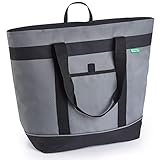
For shorter trips or when space is limited, an insulated cooler bag can be a surprisingly effective choice for keeping drinks cold.
2. Pre-chill your cooler.
- What to do: Bring your cooler inside a day or two before you leave. Let it get to room temperature.
- What “good” looks like: The cooler itself is cool to the touch, not warm from being in the sun or garage.
- Common mistake: Packing warm drinks into a warm cooler. You’re starting at a disadvantage.
3. Pre-chill your contents.
- What to do: Refrigerate or freeze everything you plan to put in the cooler. This includes drinks, food, and even the ice packs.
- What “good” looks like: Your beer is already cold, your food is chilled, and your ice is solid.
- Common mistake: Throwing room-temperature items into the cooler. It forces the ice to do way too much work.
4. Use a mix of ice types.
- What to do: Combine block ice with cubed ice. Block ice melts slower. Frozen water bottles work great too and give you drinking water as they melt.
- What “good” looks like: A solid layer of block ice on the bottom, with cubed ice filling the gaps.
- Common mistake: Relying only on cubed ice. It melts fast and leaves you with a watery mess.
Consider using reusable ice packs in addition to or instead of traditional ice. They don’t make a watery mess and can be refrozen for your next adventure.

5. Pack strategically.
- What to do: Put items you’ll use last at the bottom. Keep frequently accessed items near the top. Separate food from drinks if possible.
- What “good” looks like: You can grab what you need without digging through everything. Cold items are insulated by other cold items.
- Common mistake: Just dumping everything in. You’ll end up with a disorganized, inefficient cooler.
6. Fill empty space.
- What to do: Air is the enemy of cold. Fill any remaining air pockets with more ice, towels, or crumpled newspaper.
- What “good” looks like: The cooler is packed tightly, with minimal air space.
- Common mistake: Leaving large air gaps. That air heats up your contents faster than you can imagine.
7. Keep it in the shade.
- What to do: Place your cooler in the shadiest spot available, ideally under a tarp, tree, or in your vehicle (if it’s cooler inside).
- What “good” looks like: The cooler is never in direct sunlight.
- Common mistake: Leaving the cooler sitting out in the blazing sun. It’s like putting your beer in a solar oven.
8. Minimize opening the cooler.
- What to do: Think before you open it. Grab everything you need at once. Keep a separate cooler for drinks if you’re opening it constantly.
- What “good” looks like: The cooler is opened infrequently and for short durations.
- Common mistake: Constantly popping the lid to see what’s inside or grab one item. Every opening lets warm air in.
9. Drain excess water (carefully).
- What to do: As ice melts, it creates water. Periodically drain off the meltwater, but only if you’re not using the water for drinking.
- What “good” looks like: You’ve removed the water without losing too much cold air.
- Common mistake: Draining all the water and ice. The remaining ice and cold water still help keep things cool.
10. Consider a portable fridge.
- What to do: For longer trips or extreme heat, a 12V portable fridge/freezer is a solid investment.
- What “good” looks like: You have consistent, reliable cold without worrying about melting ice.
- Common mistake: Not having a power source for it. Make sure your vehicle or a battery pack can handle it.
For ultimate convenience and consistent cold on longer trips, a portable 12V camping fridge is an excellent investment, eliminating the need for ice entirely.

Common mistakes (and what happens if you ignore them)
| Mistake | What it causes | Fix |
|---|---|---|
| Not pre-chilling the cooler | Ice melts faster, contents never get truly cold. | Bring cooler inside, let it cool down before packing. |
| Packing warm items | Wastes ice, makes everything else less cold. | Refrigerate or freeze all contents before packing. |
| Using only cubed ice | Melts too quickly, leaves you with a watery, warm mess. | Use block ice or frozen water bottles for a longer-lasting cold base. |
| Leaving air gaps in the cooler | Air transfers heat, warming your beer and food. | Fill all empty space with extra ice, towels, or crumpled newspaper. |
| Constantly opening the cooler | Lets warm air in, making ice melt and contents warm up. | Plan your needs, grab everything at once, or use a separate drink cooler. |
| Leaving the cooler in direct sunlight | The sun heats the cooler’s exterior, radiating heat inside. | Always place the cooler in the shade, under a tarp or tree. |
| Not securing the cooler lid properly | Cooler lid doesn’t seal, letting cold air escape. | Ensure the lid is fully closed and latched if applicable. |
| Using the cooler as a step stool or table | Can damage the cooler’s seal or structure, compromising insulation. | Use dedicated camp furniture, not your expensive cooler. |
| Not considering meltwater drainage | Waterlogged food or drinks, inefficient cooling if water gets too warm. | Drain meltwater periodically, but be mindful of losing cold. |
| Overpacking the cooler | Prevents proper air circulation and can strain the lid seal. | Pack snugly, but don’t force it shut. Leave some breathing room. |
Decision rules (simple if/then)
- If the trip is longer than two days, then use a high-performance cooler or a portable fridge because standard coolers struggle to last that long without replenishment.
- If you’re car camping and have space, then bring two coolers: one for food and one for drinks, because this minimizes how often you open the food cooler.
- If the weather forecast calls for extreme heat, then pack extra ice and consider frozen water bottles as a backup because heat significantly accelerates ice melt.
- If you plan to hike or move your cooler a lot, then use a backpack cooler or a smaller, lighter cooler because heavy, overstuffed coolers are a pain to move.
- If you’re camping in bear country, then store your cooler securely in a bear-resistant container or your vehicle, because bears love a cold beverage too.
- If you’re using a cooler for a multi-day trip, then plan to replenish ice halfway through if possible, because even the best coolers will eventually run out of ice.
- If you’re concerned about waterlogged food, then pack items in sealed containers or bags, because this prevents them from soaking in meltwater.
- If you’re using dry ice, then ensure good ventilation and handle it with gloves because dry ice can cause frostbite and suffocate in enclosed spaces.
- If you have a lot of small items, then pack them in smaller, sealed containers within the main cooler, because this keeps them organized and prevents them from getting lost.
- If you’re camping near a water source, then consider using that water to freeze ice at home and transport it, because this saves weight on the drive.
- If you’re packing raw meat, then place it at the bottom of the cooler in a leak-proof bag, because this prevents any juices from contaminating other food.
- If you want your ice to last longer, then consider adding a layer of towels on top of the ice, because towels can help insulate and reduce heat transfer.
FAQ
How long does ice typically last in a cooler?
It really depends on the cooler quality, how often you open it, and the outside temperature. A good cooler might keep ice for 2-5 days, while a cheaper one might only last a day or two.
Should I drain the water from my cooler?
Yes, it’s generally a good idea to drain the meltwater periodically. The cold water is still cold, but dry ice melts faster. Just be careful not to let too much cold air escape when you drain it.
What’s the best way to pack a cooler for camping?
Start with a layer of block ice, then add your pre-chilled food and drinks, filling in gaps with cubed ice. Keep items you’ll use last at the bottom.
Can I use dry ice to keep my beer cold?
Yes, dry ice is super effective for keeping things frozen. However, it’s much colder than regular ice, so use it carefully. Make sure your cooler can vent, and never touch it with bare skin.
How do I keep my cooler cold overnight?
Keep it closed, in the shade, and ideally covered with a blanket or sleeping bag. If you’re in a vehicle, leaving it inside might offer some temperature stability.
What’s the difference between a cooler and a portable fridge?
A cooler relies on ice to stay cold and needs ice replenishment. A portable fridge uses electricity to actively cool and maintain a set temperature, offering more consistent cold over longer periods.
Unlike traditional coolers, a portable 12V camping fridge offers precise temperature control and runs on your vehicle’s power, making it ideal for extended stays.
Is it okay to put my cooler on the ground?
It’s better to elevate your cooler off the ground if possible. Hot ground can transfer heat to the cooler. Placing it on a picnic table or a raised platform helps.
How much ice do I need for a weekend camping trip?
A general rule of thumb is 1-2 pounds of ice per person per day, but this can vary. For a weekend, aiming for more rather than less is usually a safe bet, especially if it’s hot.
What this page does NOT cover (and where to go next)
- Specific campsite reservation systems and booking windows.
- Detailed bear-proofing techniques for food storage.
- Recipes for camping meals that pair well with cold beverages.
- Reviews of specific cooler brands or portable fridge models.
- Advanced ice-making techniques for long-term storage.