
How to Use a Long Bic Lighter Effectively
Quick answer
- Keep your long Bic lighter clean and dry.
- Use it with a steady hand, away from wind.
- Test it before you need it, especially in cold.
- Know its limitations; it’s not a torch.
- Always have a backup ignition source.
- Store it properly to prevent damage.
- Understand its fuel source; it’s finite.
What to check first (do this before you drive out)
Before you even think about striking a flame, a few things need your attention. This isn’t just about lighting your campfire; it’s about being prepared.
- Land manager / legality: Who owns this land? Is it US Forest Service, BLM, a state park, or private? Each has rules. Some areas might have fire bans that override your desire for s’mores. Always check the official agency website for the specific area you’re heading to. Ignorance isn’t a valid excuse out here.
- Access/road conditions: How are the roads looking? Is that dirt track passable with your rig, or is it a mud pit? A long Bic lighter is useless if you can’t get to your campsite. Know your vehicle’s limits. AWD or 4×4 might be necessary, and sometimes, you just have to park and hike.
- Fire restrictions + weather + wind: This is crucial for using any fire starter. Check current fire restrictions religiously. Is it a total burn ban? High winds can make lighting anything a nightmare and incredibly dangerous. A sudden gust can whip flames where you don’t want them. Check the forecast for rain, extreme cold, or anything that might affect your lighter’s performance or your safety.
- Water plan + waste plan (Leave No Trace): You need water to put out your fire completely. Don’t just kick dirt on it. Make sure you have ample water nearby. And what about your trash? Pack it in, pack it out. This applies to everything, including spent lighter casings if they become unusable.
- Safety (wildlife, distance to help, comms): Know what critters are in the area and how to store food safely. How far are you from the nearest ranger station or town? Cell service is often spotty or non-existent. Carry a satellite messenger or personal locator beacon if you’re going deep. Your long Bic lighter is a tool, but it doesn’t replace basic safety protocols.
Step-by-step (field workflow)
Here’s how you actually use that long Bic lighter when you need it. Keep it simple.
1. Assess the situation: You need fire. What are you lighting? Kindling? A stove? A damp log?
- Good looks like: You’ve got dry tinder and kindling ready to go, and you’ve checked the wind.
- Common mistake: Grabbing the lighter and trying to light a big, wet log first. That’s a recipe for frustration.
2. Prepare your fuel: Get your tinder (like cotton balls soaked in Vaseline, or dry grass) and your kindling (pencil-thick twigs) all prepped and within easy reach.
- Good looks like: A small pile of tinder and a larger pile of progressively bigger kindling.
- Common mistake: Not having enough small, easily ignitable material ready. You’ll waste lighter fluid trying to light big stuff.
3. Shield from wind: Position yourself or use your body, a rock, or your pack to block any breeze.
- Good looks like: A calm pocket where the flame can catch without being blown out immediately.
- Common mistake: Trying to light it in a gale. You’ll just be flicking the igniter uselessly.
4. Grip the lighter firmly: Hold it with a steady hand. The extra length is for reach, not for shaky maneuvering.
- Good looks like: A stable grip, not a death squeeze.
- Common mistake: Gripping too tight and tensing up, making your hand shake. Relax.
5. Extend the neck: If you’re lighting something in a fire pit or a stove, use the long neck to get the flame close without burning yourself.
- Good looks like: The flame is directly at the base of your tinder.
- Common mistake: Holding the lighter too far away, thinking the heat will travel. It won’t.
6. Engage the igniter: Press down the thumb wheel firmly and hold.
- Good looks like: A consistent spark and then a steady flame.
- Common mistake: Flicking it too fast, like you’re trying to skip a stone. You need sustained contact.
7. Apply flame to tinder: Bring the flame to the base of your tinder.
- Good looks like: The tinder catches quickly and starts to glow or flame.
- Common mistake: Touching the flame to the side of the tinder, or to the kindling directly. Start small.
8. Feed the flame: As the tinder burns, gently add your smallest kindling, then progressively larger pieces.
- Good looks like: A small, controlled flame growing steadily.
- Common mistake: Smothering the flame by adding too much wood too soon. Give it air.
9. Monitor and adjust: Keep an eye on the fire. Add fuel as needed, but don’t overdo it.
- Good looks like: A healthy, sustainable fire.
- Common mistake: Walking away and letting it get out of control, or letting it die down to embers when you still need heat.
10. Extinguish completely: When you’re done, douse with water, stir, and feel for heat. Repeat until it’s cool to the touch.
- Good looks like: Cold ashes. No smoldering.
- Common mistake: Thinking it’s out because the flames are gone. Embers can reignite.
Common mistakes (and what happens if you ignore them)
| Mistake | What it causes | Fix |
|---|---|---|
| Not checking fire restrictions | Fines, wildfires, destroying habitat | Always check official agency websites before you go. |
| Using in high winds | Flame blown out, difficulty lighting, burns spreading | Wait for a lull, use your body as a shield, or find a more sheltered spot. |
| Lighter is wet or dirty | Igniter won’t spark, flame is weak/unreliable | Keep it dry in a waterproof bag; clean debris from the nozzle and wheel. |
| Not having enough tinder/kindling | Wasted lighter fuel, frustration, fire won’t start | Gather ample dry tinder and progressively sized kindling before attempting to light. |
| Holding lighter too far from fuel | Flame doesn’t catch, fuel doesn’t ignite | Get the flame directly to the base of your tinder. The long neck is for reach, not distance. |
| Flicking igniter too fast | Spark doesn’t catch, igniter wears out faster | Press and hold the thumb wheel for a consistent spark and sustained flame. |
| Not testing before you need it | Lighter is out of fuel or malfunctioning when needed | Test it before you leave home, and periodically during your trip. |
| Assuming it’s a torch | Burns through fuel too fast, potential damage to items | Understand it’s for ignition, not for prolonged heating or melting. |
| Not having a backup ignition source | Stranded with no fire if lighter fails | Carry waterproof matches, a ferro rod, or a stormproof lighter as a backup. |
| Storing improperly | Fuel leaks, damage to mechanism, accidental ignition | Store in a cool, dry place, away from direct sunlight and heat sources. Keep cap on if it has one. |
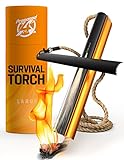
If you’re looking for a more robust solution for starting fires in various conditions, consider a comprehensive camping fire starter kit as a reliable backup.
Decision rules (simple if/then)
- If the wind is gusting over 15 mph, then wait for calmer conditions or find better shelter because lighting anything is difficult and dangerous.
- If the ground is dry and brown and there are red flag warnings, then reconsider starting a fire altogether because the risk of wildfire is too high.
- If your long Bic lighter feels cold to the touch, then warm it in your hand for a bit because cold fuel vaporizes less readily, making it harder to light.
- If the igniter wheel is gritty or won’t spin, then clean it with a small brush or twig because debris can prevent it from sparking properly.
- If you’re trying to light damp wood, then use extra tinder and kindling and be patient because it takes more effort to get damp materials going.
- If the flame sputters or dies quickly, then check the fuel level and ensure the nozzle isn’t clogged because it might be running on fumes or blocked.
- If you only have a few flickers left in the lighter, then use it wisely on your most prepared tinder because its life is limited.
- If you’re in a designated fire ring, then use it because it helps contain your fire and reduces the risk of spreading.
- If you can’t get a flame after several tries, then stop and reassess your tinder and kindling, or try your backup ignition source because forcing it will likely just waste fuel.
- If you’re leaving your campsite, then ensure your fire is dead out and cold because unattended fires are a major cause of wildfires.
FAQ
How long does a long Bic lighter typically last?
A standard long Bic lighter can provide several hundred ignitions. The exact number depends on how long you hold the flame each time and how much fuel is left.
Can I refill a long Bic lighter?
No, Bic lighters are designed as disposable units. Attempting to refill them can be dangerous and is not recommended.
What’s the best way to store a long Bic lighter?
Keep it in a cool, dry place away from direct sunlight and heat. A small pouch or pocket in your backpack works well.
Why won’t my long Bic lighter spark?
Several reasons: it might be out of fuel, the igniter wheel could be dirty or worn, or it might be too cold for the fuel to vaporize properly.
Is it safe to use a long Bic lighter in the rain?
It’s difficult but possible. Keep the lighter and your tinder as dry as you can, and use a shelter or your body to shield it from the elements.
What makes the long Bic lighter better than a regular one for camping?
The extended neck allows you to light camp stoves, grills, or fire pits from a safer distance, protecting your hands from heat and flames.
Can I use a long Bic lighter to light a charcoal grill?
Yes, the long neck is perfect for reaching down into the grill to light charcoal starters or chimney starters.
What should I do if my long Bic lighter gets wet?
Dry it off thoroughly. If the igniter wheel is wet, try to dry it with a cloth or by flicking it a few times in a dry area.
What this page does NOT cover (and where to go next)
- Detailed fire-starting techniques for specific wood types or damp conditions.
- Advanced wilderness survival fire-making methods (e.g., friction fires).
- Specific regulations for national parks, forests, or BLM lands.
- Maintenance and repair of lighters (as they are disposable).
- How to use specialized fire-starting tools like ferro rods or stormproof matches.

Camping Bob has spent over 20 years camping across the US — from BLM dispersed sites in the Southwest to KOA campgrounds in the Pacific Northwest. He writes practical, no-nonsense guides to help fellow campers get outdoors with confidence.