
Heating Water Without Electricity For Emergencies
Quick answer
- Boil water over a campfire or camp stove for safe drinking.
- Use a solar water heater for a passive, off-grid option.
- A rocket stove is efficient for burning small amounts of fuel.
- Always purify water if its source is questionable.
- Have a backup plan for fuel and ignition.
- Store water in durable containers.
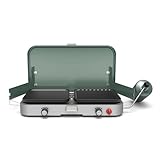
For a reliable and efficient way to boil water without electricity, consider a portable camping stove. They are compact and use various fuel types.
What to check first (do this before you drive out)
Before you even think about heading out, especially for an emergency, you need to get your ducks in a row. This isn’t just about packing; it’s about knowing the lay of the land and what’s allowed.
- Land manager / legality: Who’s in charge here? Is it the Forest Service, BLM, a state park, or private land? Different agencies have different rules about fires, camping, and what you can do. A quick check on their website or a phone call can save you a headache. I learned that the hard way once, thinking a cool dispersed camping spot was fair game. Nope.
- Access/road conditions: Can your rig actually get there? Some roads are fine for a Subaru, others need 4WD and high clearance. Check recent reports if possible. Mud, snow, or washouts can turn a short drive into an epic fail.
- Fire restrictions + weather + wind: This is HUGE. If there’s a fire ban, you’re not making a campfire. Period. Check the current restrictions and the forecast. High winds mean a campfire is a no-go, and even a stove can be tricky.
- Water plan + waste plan (Leave No Trace): Where will you get water? Will you filter/purify it? How will you pack out all your trash, including food scraps and greywater? Leave No Trace principles aren’t just suggestions; they’re how we keep these places wild.
- Safety (wildlife, distance to help, comms): Know the local wildlife. Carry bear spray if you’re in bear country. How far is the nearest town or ranger station? Do you have cell service? A satellite messenger is a good idea for remote areas.
Step-by-step (field workflow)
Let’s say you’re out there and need to get some water hot. Here’s how you do it, from start to finish.
1. Assess your situation and needs:
- What to do: Figure out how much water you need hot and why. Is it for drinking, cooking, or something else? What fuel sources do you have available?
- What “good” looks like: You’ve got a clear idea of your water needs and a realistic assessment of your fuel options.
- Common mistake: Underestimating how much fuel you’ll need. You think you have enough, but then you’re short when it really matters. Always pack a little extra.
2. Choose your heating method:
- What to do: Based on your fuel and location, pick your method. Campfire? Portable stove? Rocket stove? Solar heater?
- What “good” looks like: You’ve selected a method that’s appropriate for your environment and available resources.
- Common mistake: Trying to use a method that’s not suited for the conditions. For example, attempting a campfire in high winds or during a fire ban.
When choosing your heating method, a portable camping stove is an excellent choice for its versatility and control, especially when campfires aren’t an option.
3. Gather fuel (if applicable):
- What to do: If using a fire or rocket stove, collect dry, dead wood. For a stove, make sure you have enough propane, white gas, or other fuel.
- What “good” looks like: You have a sufficient, dry supply of fuel ready to go.
- Common mistake: Collecting wet wood. It’s a pain to light and produces a lot of smoke, not much heat.
4. Prepare your fire or stove:
- What to do: If building a fire, clear a safe area, build a stable fire ring, and get your tinder and kindling ready. If using a stove, set it up on a stable, level surface away from flammable materials.
- What “good” looks like: Your fire or stove is set up safely and securely.
- Common mistake: Not clearing enough space around the fire. Sparks can easily travel and start a wildfire.
5. Ignite your heat source:
- What to do: Use a reliable ignition source (matches, lighter, ferro rod) to start your fire or stove.
- What “good” looks like: You have a steady flame or sustained heat.
- Common mistake: Relying on a single ignition source that fails. Always carry backups.
6. Prepare your water container:
- What to do: Use a pot or kettle made for direct heat. Make sure it’s clean and free of contaminants.
- What “good” looks like: You have a suitable, clean container ready to hold water over the heat.
- Common mistake: Using a plastic container or one not designed for high heat. It can melt or leach chemicals.
7. Add water to the container:
- What to do: Fill your pot or kettle with the water you intend to heat. Don’t fill it to the brim if you expect it to boil vigorously.
- What “good” looks like: The container is filled to a safe level for heating.
- Common mistake: Overfilling the container. Boiling water can surge over the sides, extinguishing your heat source or causing burns.
8. Place container over heat source:
- What to do: Carefully place the water container over the flames or heating element. Ensure it’s stable.
- What “good” looks like: The container is securely positioned to absorb heat.
- Common mistake: Not seating the pot properly. It can tip, spilling hot water and potentially putting out your fire.
9. Heat the water:
- What to do: Monitor the water as it heats. For drinking, you need to bring it to a rolling boil for at least one minute (longer at high altitudes).
- What “good” looks like: The water reaches the required temperature and is held there.
- Common mistake: Not boiling long enough. This is crucial for killing pathogens.
10. Remove container from heat source:
- What to do: Use pot holders or a sturdy stick to carefully remove the hot container from the heat.
- What “good” looks like: The container is safely removed without spills or burns.
- Common mistake: Trying to grab a hot pot with bare hands. Ouch.
11. Cool and purify (if necessary):
- What to do: Let the water cool to a safe drinking temperature. If you didn’t boil it for long enough or are unsure of its purity, use a filter or purification tablets.
- What “good” looks like: The water is safe to drink.
- Common mistake: Drinking water that hasn’t been properly purified, leading to illness.
12. Store or use water:
- What to do: Pour the hot water into clean containers or use it immediately for cooking or other needs.
- What “good” looks like: Your water is ready for its intended purpose.
- Common mistake: Leaving hot water unattended where it could be a hazard.
Common mistakes (and what happens if you ignore them)
| Mistake | What it causes | Fix |
|---|---|---|
| Not checking fire restrictions | Fines, wildfire, banned from area | Always check current fire restrictions <em>before</em> you go. Look for signs or check the land manager’s website. |
| Using wet or green wood for fire | Hard to light, smoky, inefficient heat | Collect only dry, dead, downed wood. If it snaps, it’s likely dry enough. |
| Not having backup ignition sources | Can’t start fire/stove when you need it | Carry waterproof matches, a lighter, and a ferro rod. Keep them in separate, dry places. |
| Using a plastic or unsuitable container | Melts, leaches chemicals, contaminates water | Use metal pots or kettles specifically designed for camping and direct heat. |
| Overfilling the pot | Water spills, extinguishes fire/stove, potential burns | Leave at least an inch or two of headspace at the top of the pot. |
| Not boiling water long enough | Pathogens survive, leads to illness (giardia, etc.) | Bring water to a rolling boil for at least 1 minute (add 1 minute for every 1,000 ft above 6,500 ft elevation). |
| Leaving a fire unattended | Wildfire, property damage, serious legal trouble | Never leave a fire unattended. Extinguish it completely before leaving the area or going to sleep. |
| Improperly extinguishing fire | Smoldering embers can reignite, causing wildfire | Douse with water, stir ashes, douse again. It should be cool to the touch. |
| Not purifying questionable water | Gastrointestinal illness, dehydration, serious health issues | Filter or treat all water that isn’t from a known, safe source (like a treated municipal tap). Boil, use filters, or purification tabs. |
| Not having a plan for fuel | Can’t heat water when needed, reliance on scarce natural resources | Pack enough fuel for your stove. If relying on wood, know the local regulations and availability. |
| Placing pot precariously on fire | Pot tips, spills hot water, burns, fire goes out | Ensure the pot is stable on rocks, a grate, or a tripod. Don’t rush the setup. |
| Not having a way to handle hot pots | Burns, dropped pots | Always use pot holders, thick gloves, or a sturdy stick to move hot containers. |
Decision rules (simple if/then)
- If fire restrictions are in place, then do not attempt to build a campfire because it’s illegal and dangerous. Use a camp stove or alternative heating method.
- If you are in an area with high winds, then do not build a campfire and consider using a stove with a windscreen because an open flame is a major wildfire risk.
- If your water source is a lake, stream, or spring, then always purify it because natural water sources can contain harmful bacteria and viruses.
- If you are at high altitude, then boil water for longer than one minute because water boils at a lower temperature and needs more time to kill pathogens.
- If you are relying on wood for fuel, then collect only dry, dead, and downed wood because wet or green wood is difficult to burn and produces excessive smoke.
- If you have a portable camp stove, then use it in preference to a campfire for heating water if conditions are dry or windy because it’s more controlled and safer.
- If you are in bear country, then store your food and water properly and carry bear spray because bears can be attracted to human food and scents.
- If you have a solar water heater, then set it up in direct sunlight and be patient because it’s a passive method that takes time but requires no fuel.
- If you are using a rocket stove, then ensure it’s on a stable surface and away from flammable materials because they can get very hot and produce intense flames.
- If you are unsure about the purity of your water, then err on the side of caution and treat it because waterborne illnesses can ruin a trip quickly.
- If you need to heat a large volume of water, then consider using a larger pot and a more robust heat source like a well-established campfire because smaller methods will take too long.
- If you are in an emergency situation with limited resources, then prioritize boiling water for drinking above all else because hydration is critical.
If fire restrictions are in place or conditions are windy, a portable camping stove offers a safer and more controlled way to heat water.
FAQ
How can I boil water if I don’t have a pot?
You can use a sturdy metal canteen or even a clean, metal can if absolutely necessary, but a dedicated pot is much safer and more efficient. Ensure whatever you use can withstand direct heat.
Is it safe to drink water heated in a campfire directly?
Yes, as long as you use a proper metal container and bring the water to a rolling boil for the recommended time to kill pathogens. Don’t put plastic or non-metal containers into the fire.
What’s the difference between filtering and purifying water?
Filtering removes sediment and larger microorganisms like protozoa and bacteria. Purifying kills viruses as well, which filters often don’t. Boiling is a form of purification.
How much fuel do I need for my camp stove?
This varies wildly by stove type, wind, altitude, and how much water you’re heating. It’s always better to pack a little extra fuel than to run out.
Can I use a solar oven to heat water?
A solar oven can heat water, but it’s typically a slow process and might not reach boiling temperatures reliably, especially on cloudy days. It’s better for warming or pasteurizing.
What if I run out of matches or my lighter breaks?
That’s why you carry backups. A ferrocerium rod (ferro rod) is a reliable fire starter that works even when wet. Practice using it before you need it.
How do I know if my water is safe after heating?
If you brought it to a rolling boil for at least one minute (longer at altitude), it’s generally safe to drink. If you used purification tablets, follow the product’s instructions for contact time.
What are the best containers for heating water on a campfire?
Stainless steel or titanium pots and kettles are excellent. They’re durable, lightweight, and designed to handle direct heat.
What this page does NOT cover (and where to go next)
- Specific regulations for every park and forest. Check with the local land manager.
- Detailed comparisons of every camping stove model. Research brands and reviews.
- Advanced wilderness survival techniques. Look for dedicated survival courses.
- Emergency food preparation methods. Explore dehydrated meals and cooking techniques.
- Water purification methods beyond boiling. Investigate filters and chemical treatments.