
How to Start a Campfire
Quick answer
- Know the rules. Fire restrictions are no joke.
- Pick a safe spot. Clear the area.
- Gather your fuel. Three types: tinder, kindling, fuelwood.
- Build a structure. Teepee or log cabin works.
- Light it up. From the bottom.
- Keep it managed. Never leave it unattended.
- Put it out cold. Douse, stir, feel.
What to check first (do this before you drive out)
Before you even think about striking a match, do your homework. This isn’t just about convenience; it’s about safety and legality.
- Land manager / legality: Who’s in charge of the land you’re visiting? Is it National Forest, BLM, a state park, or private land? Each has its own rules. Some areas might ban fires entirely, or only allow them in designated fire rings. Always check the official website for the specific park or forest you’re heading to. This is non-negotiable.
- Access/road conditions: Can your rig actually get there? Dirt roads can turn into mud pits. Low-clearance vehicles can get hung up on rocks or ruts. Check recent reports if you can. If it’s a remote spot, a 4WD or high-clearance vehicle might be essential. Don’t be the guy who needs a tow.
- Fire restrictions + weather + wind: This is huge. Fire bans are common, especially in dry seasons. Check the current fire danger level and any specific burn bans. Also, check the weather forecast. High winds are a recipe for disaster. If it’s windy, or if the fire danger is high, consider skipping the fire. A camp stove is a great backup.
- Water plan + waste plan (Leave No Trace): Have water ready to douse the fire. Don’t rely on finding a stream at the last minute. And plan for your trash. Pack it in, pack it out. This includes all fire-related debris.
- Safety (wildlife, distance to help, comms): Is the area known for bears or other wildlife? Keep your campsite clean. Know how far the nearest ranger station or town is. Cell service is often spotty or nonexistent. Tell someone where you’re going and when you expect to be back.
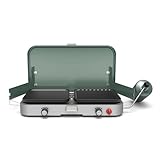
If fire conditions are risky, a reliable portable camping stove can be a great alternative for cooking and warmth.
Step-by-step (field workflow)
Alright, you’ve done your checks. The conditions are good. Let’s get this fire going.
1. Choose your spot: Find a safe, pre-existing fire ring if possible. If not, clear a 10-foot diameter circle down to bare mineral soil. Remove all flammable material – leaves, grass, pine needles, overhanging branches.
- Good looks like: A clean, wide-open space, free of anything that can catch fire.
- Common mistake: Not clearing enough space. A stray ember can ignite dry grass just outside the ring. Always err on the side of too much space.
2. Gather your fuel: You need three types, and you need to gather them before you light anything.
- Tinder: This is your starter. Think dry grass, birch bark shavings, cotton balls soaked in petroleum jelly, or commercially made fire starters. It needs to catch a spark or flame easily.
- Kindling: Small, dry twigs, about pencil-lead to pencil-thick. These catch fire from the tinder and burn long enough to ignite your fuelwood.
- Fuelwood: Larger pieces of dry, dead wood. Start with pieces about wrist-thick and gradually increase size. Never cut live trees or branches.
- Good looks like: A nice pile of each type, sorted and ready to go, within easy reach.
- Common mistake: Not gathering enough fuel before starting. You’ll be scrambling for wood with a dying ember, which is frustrating and potentially dangerous.
3. Build your fire structure: There are a few ways to do this, but two classics are the teepee and the log cabin.
- Teepee: Lean your kindling against your tinder bundle in a cone shape. Then, lean your smaller fuelwood pieces against the kindling, also in a teepee shape. This allows good airflow.
- Log Cabin: Place two pieces of fuelwood parallel on the ground. Then place two more on top, perpendicular to the first two, creating a square. Place your tinder and kindling in the center.
- Good looks like: A stable structure that allows air to circulate but keeps the tinder and kindling contained.
- Common mistake: Packing the structure too tightly. Fire needs oxygen. If it’s too dense, it won’t catch or will smolder.
4. Light the tinder: Use a long match or a lighter. Light the tinder from the bottom, where the air is coming in. Gently blow on the ember if needed to encourage it.
- Good looks like: The tinder ignites and starts to burn steadily, catching the smallest kindling.
- Common mistake: Trying to light the middle or top. You want the flame to work its way up.
5. Feed the flame: As the kindling catches, it will ignite your smaller fuelwood. Slowly add more kindling and then smaller pieces of fuelwood, maintaining the structure. Don’t smother the flames.
- Good looks like: A steady, growing flame that’s consuming the wood.
- Common mistake: Adding too much wood too soon. You’ll choke the fire. Add pieces gradually, giving each one a chance to catch.
6. Build to your desired fire size: Once your smaller fuelwood is burning well, you can start adding larger pieces. Add them one or two at a time.
- Good looks like: A controlled fire that’s giving off good heat without getting out of hand.
- Common mistake: Piling on too much wood at once, creating a bonfire. Keep it manageable.
7. Maintain the fire: Keep an eye on it. Add wood as needed to keep it going. Keep the surrounding area clear.
- Good looks like: A consistent fire that’s doing its job without threatening to spread.
- Common mistake: Letting the fire die down too much, then trying to re-light it with wet wood.
8. Extinguish the fire: This is the most critical step. When you’re done, or heading to bed, put it out completely.
- Good looks like: Dousing with water, stirring the ashes and embers with a shovel, and dousing again until everything is cool to the touch. Seriously, cool.
- Common mistake: Thinking it’s out just because the flames are gone. Embers can smolder for hours and reignite.
Common mistakes (and what happens if you ignore them)
| Mistake | What it causes | Fix |
|---|---|---|
| Not checking fire restrictions | Fines, jail time, and wildfires that destroy homes and natural areas. | Always check official sources for current fire bans before you go. |
| Building a fire too close to flammable stuff | Grass fires, brush fires, or even forest fires. | Clear a 10-foot radius down to bare soil. Remove all overhanging branches. |
| Using wet or green wood | Smoke, poor flames, and frustration. It’s hard to get going. | Gather plenty of dry, dead wood of all sizes <em>before</em> you start. |
| Piling on too much wood at once | Smothering the fire, creating smoke, or turning a campfire into a bonfire. | Add wood gradually, allowing each piece to catch before adding more. |
| Leaving a fire unattended | A small spark can become a massive wildfire in minutes. | Never leave your fire. Assign a fire watcher if you need to step away. |
| Not having enough water/tools | Inability to control or extinguish a fire when needed. | Keep a bucket of water and a shovel within easy reach at all times. |
| Not fully extinguishing the fire | Rekindling of the fire, potentially causing a wildfire. | Douse, stir, douse again. Feel the ashes with your hand to ensure they are cold. |
| Cutting live trees/branches | Damaging the environment and the aesthetics of the campsite. | Use only dead, downed wood. If you can’t find enough, use a camp stove. |
| Building a fire in high winds | Embers blowing far and wide, starting spot fires. | If it’s windy, skip the fire. A camp stove is safer. |
| Not preparing your fire pit | Unstable fire, embers falling out, potential spread. | Use a designated ring or build a proper, stable pit. |
When fire conditions are too windy or fire bans are in place, a portable camping stove is a safe and efficient option for your cooking needs.
Decision rules (simple if/then)
- If the fire danger is high or extreme, then do not build a fire because conditions are too risky.
- If there are any fire restrictions in effect, then do not build a fire unless it’s in a designated, permitted fire ring.
- If it’s windy (sustained winds over 10-15 mph), then consider skipping the fire because embers can travel easily.
- If you can’t find dry tinder, then use a commercial fire starter or cotton balls with petroleum jelly because they are reliable.
- If your kindling is damp, then try to dry it near the existing flame (carefully!) or find drier pieces because wet kindling won’t catch.
- If your fire is smoking heavily, then check if you’re using the right wood and if there’s enough airflow because smoky fires are often caused by damp wood or poor structure.
- If you need to leave your campsite for an extended period, then fully extinguish your fire because unattended fires are dangerous.
- If you’re in a high-use area and can’t find a fire ring, then consider using a camp stove because building new fire pits damages the environment.
- If you’re unsure about the land manager’s rules, then err on the side of caution and skip the fire or check their website again.
- If you see embers escaping the fire pit, then immediately put them out with water or dirt because they can start new fires.
- If you’re camping in a desert environment, then be extra cautious about fire because vegetation is sparse and highly flammable.
If you’re in a high-use area or conditions are unfavorable for a campfire, consider using a portable camping stove to minimize environmental impact and ensure safety.
FAQ
Q: What’s the best way to start a fire without matches?
A: A ferrocerium rod (ferro rod) and striker is your best bet. They work even when wet. Practice with it beforehand.
Q: How much wood do I need for a campfire?
A: Enough to get you through the evening. Gather more than you think you’ll need, but only take dead, downed wood. It’s better to have extra than to run out.
Q: Can I use lighter fluid?
A: Some people do, but it’s often unnecessary and can leave a chemical smell. If you use it, do so sparingly on the tinder before lighting, and be aware of wind.
Q: My fire won’t stay lit, what am I doing wrong?
A: You likely don’t have enough airflow, or your fuel isn’t dry. Check your structure for density and ensure your tinder and kindling are bone dry.
Q: How do I know if the fire is truly out?
A: Douse it thoroughly with water, stir the ashes and embers with a shovel, then douse again. Feel the ashes with the back of your hand. If it’s too hot to touch, it’s not out.
Q: What if I don’t have a shovel?
A: Use a sturdy stick to stir the ashes. However, a shovel is highly recommended for safety and effective extinguishing.
Q: Can I burn trash in my campfire?
A: Generally, no. Pack out all your trash. Burning trash can release toxic fumes and leave behind non-burnable materials.
Q: Is it okay to build a fire on sand?
A: Sand can be tricky. It can insulate embers, making them harder to extinguish. Always clear down to mineral soil if possible, and be extra diligent with your extinguishing process.
What this page does NOT cover (and where to go next)
- Specific campfire regulations for individual parks or forests.
- Advanced fire-starting techniques like friction fires.
- Building elaborate fire structures for cooking.
- Legal ramifications of violating fire bans.
- Choosing the right camp stove for your trip.