
How To Keep Mice Out Of Your Vehicle Effectively
Quick answer
- Park smart: avoid tall grass and rodent hotspots.
- Clean it out: no crumbs, no trash, no invites.
- Seal the deal: block entry points in your rig.
- Natural deterrents work: peppermint, dryer sheets.
- Traps are your friend: for prevention and removal.
- Inspect regularly: catch problems early.
- Consider vehicle covers: an extra layer of defense.
- Know your enemy: understand mouse habits.
What to check first (do this before you drive out)
Before you even think about heading out, especially if your vehicle’s been sitting for a bit, a quick sweep is crucial. Mice are opportunistic. Let’s make sure you’re not rolling out the welcome mat.
- Land manager / legality: This is less about where you’re going and more about where your vehicle is. If you’re parking on public land, like National Forest or BLM land, there might be specific rules about vehicle storage or areas to avoid. It’s rare, but worth a quick mental check. For your daily driver parked at home, it’s usually straightforward.
- Access/road conditions: This applies more to when you’re at your destination. If you’re pulling into a remote campsite or a trailhead, know your vehicle’s limits. Don’t park in a ditch or a bog if your 2WD sedan can’t handle it. Mud, snow, or even just overgrown brush can be prime real estate for critters looking for a cozy spot.
- Fire restrictions + weather + wind: While not directly about mice, these are camping essentials. Extreme weather can drive animals to seek shelter, and that might include your vehicle. High winds can also blow debris around, potentially covering up entry points or making your vehicle look more appealing as a refuge. Always check local fire bans and forecasts.
- Water plan + waste plan (Leave No Trace): Again, not mouse-specific, but fundamental. Don’t leave food scraps or trash anywhere. Mice love a free buffet. Properly storing your food and packing out all your waste is key to not attracting any unwanted guests, furry or otherwise.
- Safety (wildlife, distance to help, comms): Know what animals are in the area. While mice are the focus here, being aware of larger wildlife is always smart. Also, consider how far you are from help and if you have reliable communication. If you discover a mouse infestation, you might need to make a trip to the auto parts store.
Step-by-step (field workflow)
This isn’t a complex operation, just a series of smart moves to keep those little pests out of your ride. Think of it as fortifying your four-wheeled home.
1. Choose your parking spot wisely.
- What to do: Park on pavement, gravel, or a cleared area. Avoid parking under dense trees, in tall grass, or near trash cans if possible.
- What “good” looks like: A clean, open area where you can easily see the ground around your vehicle.
- Common mistake: Parking the car in the overgrown corner of the yard because it’s out of the way.
- How to avoid it: Remember that “out of the way” often means “prime real estate” for rodents.
2. Perform a thorough interior clean-out.
- What to do: Remove all food, wrappers, crumbs, and trash from the cabin and cargo area. Vacuum thoroughly.
- What “good” looks like: An interior that smells fresh, with no visible debris.
- Common mistake: Leaving a half-eaten bag of chips or a stray granola bar wrapper under the seat.
- How to avoid it: Get down on your hands and knees with a flashlight. Check every nook and cranny.
3. Inspect exterior entry points.
- What to do: Look for any holes or gaps around the firewall, undercarriage, door seals, and trunk seals.
- What “good” looks like: Undamaged seals and no visible openings larger than a dime.
- Common mistake: Assuming all seals are intact and never checking them.
- How to avoid it: Get under the vehicle with a light. Mice can squeeze through tiny spaces.
4. Seal any identified gaps.
- What to do: Use steel wool, caulk, or automotive sealant to block any holes you found. Steel wool is great because they can’t chew through it easily.
- What “good” looks like: All openings are securely blocked.
- Common mistake: Using something easily chewed, like foam insulation, which they’ll tunnel through.
- How to avoid it: Stick with rodent-proof materials.
5. Deploy natural deterrents.
- What to do: Place cotton balls soaked in peppermint oil, dryer sheets, or commercially available rodent repellents in strategic spots inside the vehicle (e.g., under seats, in the trunk).
- What “good” looks like: A pleasant, minty scent inside your car, and no signs of mice.
- Common mistake: Not refreshing the deterrents, making them ineffective over time.
- How to avoid it: Reapply oil to cotton balls or replace dryer sheets every couple of weeks.
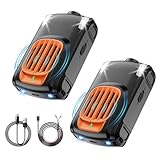
For an effective solution, consider using a dedicated rodent repellent for cars. These products are designed to deter pests without harming your vehicle.
6. Consider mechanical deterrents (traps).
- What to do: Place snap traps or electronic traps (check manufacturer instructions for placement and safety) in areas where mice might enter or nest, like the garage where the car is stored.
- What “good” looks like: Traps are set and checked regularly, with no catches if you’re preventing, or prompt removal if you’re dealing with an infestation.
- Common mistake: Forgetting to check traps or placing them where pets or children could access them.
- How to avoid it: Safety first. Use bait they like, but ensure it’s secure.
7. Use a vehicle cover if storing long-term.
- What to do: Invest in a quality, breathable car cover. Ensure it’s fitted properly.
- What “good” looks like: The cover is snug and free of tears, providing a physical barrier.
- Common mistake: Using a cheap, ill-fitting cover that traps moisture or leaves gaps.
- How to avoid it: A good cover is an investment in protecting your vehicle from more than just dust.
8. Check engine compartment components.
- What to do: Periodically inspect the engine bay for signs of nesting material (leaves, grass, insulation) or chewed wires. Mice love the warmth and cover here.
- What “good” looks like: A clean engine bay, free of debris and damage.
- Common mistake: Only thinking about the interior and forgetting the engine compartment.
- How to avoid it: Pop the hood regularly, especially after the vehicle has been sitting for a while.
Common mistakes (and what happens if you ignore them)
| Mistake | What it causes | Fix |
|---|---|---|
| Leaving food crumbs or trash inside | Attracts mice, creating a “welcome” sign for them | Thoroughly clean interior; vacuum, remove all food items and wrappers. |
| Parking in tall grass or overgrown areas | Provides easy cover and nesting material for mice | Park on pavement, gravel, or a cleared area. |
| Ignoring small holes or gaps in seals | Allows mice easy access to the vehicle’s interior and components | Inspect all seals (doors, trunk, firewall) and use steel wool or sealant to block any openings. |
| Using ineffective deterrents (e.g., old rags) | Mice ignore them, rendering the effort useless | Use strong-smelling deterrents like peppermint oil or commercial repellents; refresh them regularly. |
| Forgetting to check the engine compartment | Mice can nest in the engine bay, chew wires, and cause costly damage | Inspect the engine bay periodically for nesting material and chewed wires. |
| Not using a proper vehicle cover for storage | Leaves the vehicle vulnerable to nesting and damage from the elements | Invest in a well-fitting, breathable car cover for long-term storage. |
| Relying solely on one prevention method | Mice can overcome a single barrier; a multi-pronged approach is best | Combine cleaning, sealing, deterrents, and smart parking for maximum protection. |
| Not inspecting the vehicle regularly | Problems go unnoticed until damage is significant | Make a habit of quick visual checks of the interior and exterior, especially after sitting idle. |
| Using rodenticides inside the vehicle | Can be dangerous to pets/children and lead to dead rodents in hard-to-reach spots | Opt for traps or deterrents that don’t involve poison inside the cabin. |
| Assuming a new car is immune | Even new vehicles can have small gaps or attract pests during storage | Apply the same principles of cleaning and inspection to new vehicles. |
To avoid mice ignoring your efforts, use strong-smelling deterrents like peppermint oil or a specialized rodent repellent for cars, and refresh them regularly.
Decision rules (simple if/then)
- If your vehicle has been sitting idle for more than a month, then inspect the engine bay thoroughly because mice love warm, undisturbed places.
- If you park your car at home in a rural area or near woods, then use peppermint oil-soaked cotton balls inside and outside your wheel wells because it’s a strong deterrent.
- If you find any crumbs or food wrappers during your interior clean-out, then do a deeper vacuum and wipe-down because even a little bit can attract them.
- If you notice any fraying or damage on your door or trunk seals, then plan to replace them soon because they are prime entry points.
- If you’re storing your vehicle for the winter, then invest in a good quality car cover because it adds a significant physical barrier.
- If you have pets that might access your vehicle, then use only pet-safe deterrents or traps and place them out of reach because their safety is paramount.
- If you live in an area with a known rodent problem, then be extra vigilant with regular inspections because prevention is much easier than removal.
- If you’re using traps, then check them daily because you want to remove any caught pests promptly to avoid odor and further attraction.
- If you see evidence of nesting material (like shredded paper or grass), then immediately block potential entry points with steel wool because they’ve already found a way in.
- If you’re going on a long trip and parking your vehicle at a trailhead or campground, then do a quick sweep of the interior for any forgotten snacks before you leave because you don’t want to come back to a surprise party.
If you park your car at home in a rural area or near woods, then use peppermint oil-soaked cotton balls inside and outside your wheel wells, or a commercial rodent repellent for cars, because it’s a strong deterrent.
FAQ
How do I know if mice have been in my car?
Look for droppings, gnaw marks on upholstery or wires, and nesting materials like shredded paper or insulation. A musky odor can also be a sign.
What’s the best way to get rid of mice already in my car?
Combine thorough cleaning, sealing entry points, and using traps. Natural deterrents can help keep them from returning.
Can mice chew through car parts?
Yes, they can and they do. They’re known to chew through wires (causing electrical issues), hoses, and even insulation.
Are those ultrasonic rodent repellers for cars effective?
Results are mixed. Some people swear by them, others find they don’t work. They’re worth a shot, but don’t rely on them as your only defense.
How often should I check my car for mice?
If your car sits for a while, check it weekly or bi-weekly. If it’s your daily driver, a quick visual scan every month or so is a good habit.
What’s the deal with dryer sheets? Do they really work?
Many people find that the strong scent of dryer sheets deters mice. Place a few sheets in areas like the dashboard, under seats, and in the trunk.
Should I use poison bait inside my car?
It’s generally not recommended. If a mouse eats poison and dies in a hard-to-reach spot, the smell can be unbearable and difficult to eliminate.
What about the engine compartment? Can mice get in there?
Absolutely. Mice love the warmth and shelter of the engine bay. Always check for nesting material or chewed wires there.
What this page does NOT cover (and where to go next)
- Detailed automotive repair for rodent damage (check with your mechanic).
- Specific chemical rodenticides and their safe application (refer to product labels and local regulations).
- Advanced vehicle sealing techniques beyond basic DIY fixes (consult professional detailers or auto shops).
- Identification of specific rodent species and their unique behaviors (research local wildlife if you’re curious).

Camping Bob has spent over 20 years camping across the US — from BLM dispersed sites in the Southwest to KOA campgrounds in the Pacific Northwest. He writes practical, no-nonsense guides to help fellow campers get outdoors with confidence.