
Extend Ice Life in Your Cooler: Proven Techniques
Quick answer
- Pre-chill your cooler. Seriously.
- Use block ice, not just cubes.
- Pack it tight. No air gaps.
- Keep it closed. Every peek costs ice.
- Shade is your friend. Direct sun is ice’s enemy.
- Consider a cooler with better insulation.
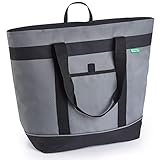
For the best ice retention, consider investing in a high-quality insulated cooler.
What to check first (do this before you drive out)
Before you even think about packing, get a lay of the land for your trip. This isn’t just about the destination, but how you’ll get there and what you’ll be dealing with.
- Land manager / legality: Who’s in charge of the area? Is it National Forest, BLM land, a State Park, or private? This dictates the rules. Always check the specific agency’s website or call their local ranger district. They’ll have the latest info on permits, fire bans, and any site-specific regulations.
- Access/road conditions: How rough is the road to your campsite? Are you rolling in a Subaru or a lifted Jeep? Knowing if you need 4WD, high clearance, or if mud/snow could be an issue saves you a tow truck call. A quick look at recent trip reports online or a call to the land manager can give you a heads-up.
- Fire restrictions + weather + wind: This is crucial. Fire bans can pop up fast. Check the local fire danger level and any active burn bans. Likewise, know the weather forecast – rain, heat, or even extreme cold can impact your trip and your ice. High winds can also be a factor for tents and fires.
- Water plan + waste plan (Leave No Trace): Where will you get potable water? Bring enough or have a reliable purification method. For waste, plan to pack everything out. This includes food scraps, wrappers, and even greywater if you’re near a water source. Leave it cleaner than you found it.
- Safety (wildlife, distance to help, comms): Be aware of local wildlife. Know what to do if you encounter bears or other animals. How far are you from the nearest ranger station or town? Cell service is often spotty in the backcountry. Consider a satellite messenger for emergencies. Tell someone where you’re going and when you expect to be back.
Step-by-step (field workflow)
Here’s how to make that ice last, from loading dock to campsite.
1. Pre-chill your cooler: This is non-negotiable. A cold cooler chills your ice faster, meaning less melting.
- What “good” looks like: Your cooler feels cold to the touch, inside and out, before you add your ice.
- Common mistake: Stuffing ice into a warm cooler.
- Avoid it: Bring it inside the night before, or even fill it with sacrificial ice or frozen water bottles a few hours ahead of time. Dump that water before packing your real ice.
To further enhance your cooler’s performance, consider using reusable ice packs in addition to block ice.

2. Use quality ice: The type of ice matters. Block ice melts slower than cubed ice.
- What “good” looks like: You have a mix of large blocks and smaller cubes.
- Common mistake: Relying solely on bagged cubed ice.
- Avoid it: Make your own block ice in food-grade containers or buy large blocks from a commercial ice supplier.
3. Pack the cooler strategically: Put the ice in first, then your food and drinks.
- What “good” looks like: Ice forms a solid layer at the bottom, and items are packed in snugly on top.
- Common mistake: Burying ice under heavy items or leaving large air pockets.
- Avoid it: Place items that you’ll use less often at the bottom, and frequently accessed items on top. Fill any gaps with extra ice or towels.
4. Fill ‘er up: A full cooler is a cold cooler. Air is the enemy of ice.
- What “good” looks like: The cooler is packed to the brim, with minimal empty space.
- Common mistake: Underpacking the cooler, leaving significant air gaps.
- Avoid it: If you don’t have enough food/drinks to fill it, use crumpled towels or blankets to take up the remaining space.
5. Secure the lid: Every time you open it, warm air rushes in and melts ice.
- What “good” looks like: The lid is latched or closed tightly whenever possible.
- Common mistake: Leaving the cooler lid ajar or frequently opening it for quick peeks.
- Avoid it: Designate one person to be the cooler monitor, or plan your food access so you only open it when necessary.
6. Keep it in the shade: Direct sunlight is a major ice melter.
- What “good” looks like: Your cooler is always tucked away under a picnic table, tarp, or tree canopy.
- Common mistake: Leaving the cooler out in the open sun all day.
- Avoid it: Make it a habit to move the cooler to the shadiest spot available, especially during the hottest parts of the day.
7. Use a cooler shroud/cover: Insulated covers add an extra layer of protection.
- What “good” looks like: The cooler has a fitted, insulated cover that doesn’t restrict access.
- Common mistake: Thinking the cooler’s built-in insulation is enough.
- Avoid it: Invest in a quality aftermarket cover or even fashion your own from reflective insulation material.
8. Drain minimal water: Some melting is inevitable, but don’t let all the cold water out.
- What “good” looks like: You only drain a small amount of water if it’s absolutely necessary to make space.
- Common mistake: Draining all the meltwater, which removes a lot of the cold mass.
- Avoid it: The cold water helps keep the remaining ice frozen. If you must drain, do it sparingly.
9. Limit opening for drinks: Keep a separate, smaller cooler for drinks if possible.
- What “good” looks like: Your main food cooler is opened less often than a dedicated drink cooler.
- Common mistake: Constantly opening the main cooler for a cold beverage.
- Avoid it: Pre-chill your drinks and keep them in a separate, easily accessible cooler that you don’t mind opening more frequently.
10. Consider frozen food as ice: Pack frozen meals or water bottles that will act as ice packs.
- What “good” looks like: Your frozen items are still solid when it’s time to eat them.
- Common mistake: Not factoring in frozen items as part of your ice strategy.
- Avoid it: Freeze meals, water bottles, or even juice boxes. They’ll keep other items cold and become delicious food/drinks later.
Common mistakes (and what happens if you ignore them)
| Mistake | What it causes | Fix |
|---|---|---|
| Not pre-chilling the cooler | Ice melts faster, food spoils sooner. | Bring cooler inside or fill with sacrificial ice beforehand. |
| Using only cubed ice | Cubes melt much quicker than blocks, leading to warm drinks and food. | Mix in block ice or use large frozen items as ice. |
| Leaving air gaps inside the cooler | Air transfers heat easily, accelerating ice melt. | Pack cooler tightly, fill empty space with towels or extra ice. |
| Frequent cooler opening | Warm air infiltrates, melting ice and raising internal temperature. | Plan food access, use a separate drink cooler, keep lid closed. |
| Leaving cooler in direct sunlight | Sun is a powerful heat source, rapidly melting ice and warming contents. | Always place cooler in shade, under cover, or bury it slightly in sand/snow if possible. |
| Draining all meltwater | Meltwater is cold and helps keep remaining ice frozen. Draining removes cold mass. | Drain only when absolutely necessary to make space; leave some water in the bottom. |
| Packing warm food/drinks into the cooler | Your ice has to work overtime to cool down the contents. | Chill or freeze all items before packing them into the cooler. |
| Using a cheap, poorly insulated cooler | Heat transfers through thin walls easily, leading to rapid ice melt. | Invest in a quality cooler with thick, well-sealed insulation. |
| Not using a cooler cover/shroud | An extra layer of insulation can significantly slow down heat transfer. | Use a thermal cover or wrap the cooler in blankets/tarps for added insulation. |
| Forgetting about ambient temperature | Hotter weather means faster ice melt, regardless of your packing method. | Adjust expectations; bring more ice than you think you’ll need in extreme heat. |
If you’re still struggling with ice retention, it might be time to upgrade to a better insulated cooler.
Decision rules (simple if/then)
- If your trip is longer than 3 days, then use block ice because it melts much slower than cubes.
- If you’re car camping and have space, then bring a second, smaller cooler for drinks because this limits opening your main food cooler.
- If the forecast calls for high temperatures, then pack extra ice or frozen water bottles because you’ll need more cooling power.
- If you are on a multi-day backpacking trip, then consider freeze-dried meals and a stove instead of a cooler because carrying ice is impractical.
- If you find yourself opening the cooler constantly, then rethink your meal prep or snack strategy because every opening costs ice.
- If your cooler is half-empty, then fill the remaining space with towels or crumpled newspaper because air pockets speed up melting.
- If you are camping near a water source, then consider freezing water in durable containers to act as ice packs and provide drinking water later because it’s efficient.
- If you plan to use your cooler for more than just a few days, then invest in a high-quality, roto-molded cooler because their insulation is far superior.
- If you are transporting raw meat, then ensure it’s double-bagged to prevent leaks and cross-contamination because food safety is paramount.
- If you notice condensation on the outside of your cooler, then check the lid seal for damage or gaps because this indicates heat is getting in.
- If you’re heading to a hot, dry climate, then consider burying your cooler in the sand or snow (if available) because the earth provides natural insulation.
FAQ
How much ice do I need?
Generally, plan for about 1-2 pounds of ice per gallon of cooler capacity for a weekend trip. For longer trips or hotter weather, bump that up.
Can I reuse melted ice water?
Only if it’s from pure, clean ice and hasn’t been contaminated by food. However, the cold water still helps keep things cool, so don’t drain it all if you can avoid it.
What’s the difference between a cooler and a “Yeti” style cooler?
“Yeti” is a brand, but it represents a category of high-performance, roto-molded coolers with superior insulation designed for extreme ice retention. Standard coolers are typically injection-molded and less insulated.
Should I put ice directly on my food?
It’s best to avoid direct contact, especially with raw meat. Use waterproof bags or place food above the ice layer if possible to prevent sogginess and contamination.
How long can I expect ice to last?
This varies wildly. A cheap cooler might last a day, while a high-end cooler packed correctly in moderate weather can last 5-7 days.
Is it okay to mix old and new ice?
Yes, but it’s not ideal. New ice will melt faster and can chill the older ice, but it’s less efficient than having all uniformly cold ice.
What about dry ice?
Dry ice is extremely cold (-109.3°F) and can keep things frozen, but it requires special handling, ventilation, and isn’t suitable for all coolers or food types. Use with caution and research thoroughly.
What this page does NOT cover (and where to go next)
- Detailed cooler maintenance and cleaning.
- Specific recommendations for RV or boat refrigeration.
- Advanced food preservation techniques for extended expeditions.
- DIY cooler modifications for enhanced insulation.
- The science behind different insulation materials.

Camping Bob has spent over 20 years camping across the US — from BLM dispersed sites in the Southwest to KOA campgrounds in the Pacific Northwest. He writes practical, no-nonsense guides to help fellow campers get outdoors with confidence.