
Waterproof Your Camping Tent for Any Weather
Quick answer
- Check your tent’s seams and fabric for wear.
- Clean your tent thoroughly before treating.
- Use a quality tent waterproofing spray or seam sealer.
- Apply in a well-ventilated area, letting it dry completely.
- Reapply annually or after heavy use.
- Test your work with a hose before your next trip.
What to check first (do this before you drive out)
Before you even think about packing the car, give your tent a once-over. This isn’t just about making it look good; it’s about making sure it’ll actually keep you dry when the sky opens up.
- Land manager / legality: Who owns the land you’re planning to camp on? Is it National Forest, BLM, a State Park, or private? Each has its own set of rules, especially regarding campfires and where you can pitch your tent. Always check the official website for the specific area. I once set up camp thinking it was open, only to find out it was closed for a hunting season. Drove an hour back to find a legal spot. Lesson learned.
- Access/road conditions: How are the roads to your campsite? Some spots are 2WD friendly, while others demand high clearance and 4WD. Mud, snow, or washouts can turn a fun drive into a real headache. Check recent reports or call the ranger station if you’re unsure.
- Fire restrictions + weather + wind: This is crucial. Are campfires allowed? What’s the forecast looking like? High winds can make a tent miserable, and a sudden storm can be dangerous. Know the forecast, and be prepared for anything.
- Water plan + waste plan (Leave No Trace): Where will you get water, and how will you treat it? Also, how will you pack out all your trash, including food scraps? Following Leave No Trace principles keeps these wild places wild.
- Safety (wildlife, distance to help, comms): What kind of wildlife might you encounter? Know how to store your food properly. How far is the nearest town or ranger station? Can you get cell service? Pack a first-aid kit and consider a satellite messenger if you’re heading deep into the backcountry.
Step-by-step (field workflow)
This is how you actually get your tent ready to face the elements. It’s not rocket science, but it takes a little care.
1. Inspect the tent: Lay your tent out flat, ideally in your yard. Look for any rips, tears, or worn spots in the fabric. Check the seams for loose threads or separation.
- What “good” looks like: The fabric is intact, and the seams are tight and sealed.
- Common mistake: Ignoring small holes or fraying seams, thinking they won’t matter. They always matter when it rains.
2. Clean the tent: Use a mild soap and water to gently clean the tent fabric and fly. Rinse thoroughly. Let it air dry completely.
- What “good” looks like: The tent is free of dirt, grime, and any soap residue.
- Common mistake: Using harsh detergents or putting a dirty tent away. This can damage the fabric and reduce its waterproofing.
3. Choose your waterproofing product: You have sprays (for fabric) and seam sealers (for seams). Pick one specifically designed for outdoor gear.
- What “good” looks like: You have the right product for the job.
- Common mistake: Using a generic waterproofing spray not meant for tents. It might not adhere well or could damage the material.
When choosing your waterproofing product, consider a reliable tent waterproofing spray like this one to protect your tent’s fabric.
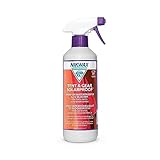
4. Set up for treatment: Find a well-ventilated area, like outdoors or in a garage with the door open. Lay the tent or fly flat, or hang it if possible. Protect the surrounding area from overspray.
- What “good” looks like: You have space to work, good airflow, and you’re not getting product everywhere.
- Common mistake: Treating the tent indoors without ventilation. The fumes can be strong, and you risk coating your furniture.
5. Apply waterproofing spray: Hold the can about 6–8 inches away and spray in even, overlapping strokes. Don’t soak the fabric; a light, even coat is best.
- What “good” looks like: The fabric has a uniform, slightly sheen look, not puddles.
- Common mistake: Spraying too close or too heavily, causing drips and uneven coverage.
6. Treat the seams: For seam sealer, apply a thin bead directly into the seam. Use a small brush or your finger to spread it evenly.
- What “good” looks like: A consistent line of sealer along every seam.
- Common mistake: Skipping seams or applying sealer too thickly, which can crack later.
For critical areas, apply a quality seam sealer for tents to ensure no water seeps through the stitching.

7. Allow to dry completely: This is critical. Let the tent dry for at least 24 hours, or as directed by the product. Ensure it’s bone dry before packing.
- What “good” looks like: The tent feels completely dry to the touch, with no tackiness.
- Common mistake: Packing up a damp tent. This invites mold and mildew, which can ruin your gear and make it smell awful.
8. Reapply if necessary: For heavily used tents or areas that look thin, a second light coat might be beneficial.
- What “good” looks like: Confident that all areas are well-protected.
- Common mistake: Rushing the process and not giving the first coat enough time to cure.
9. Test your work: Once dry, pitch the tent and give it a light spray with a hose. Check the inside for any drips or signs of water penetration.
- What “good” looks like: The inside stays completely dry.
- Common mistake: Skipping this test and discovering leaks on your first rainy trip.
Common mistakes (and what happens if you ignore them)
| Mistake | What it causes | Fix |
|---|---|---|
| Ignoring worn fabric/seams | Leaks, damp sleeping bags, miserable nights. | Inspect thoroughly and treat all suspect areas. |
| Using the wrong cleaning product | Damaged fabric, reduced waterproofing, or residue that repels water. | Use only mild soap and water. Avoid harsh chemicals. |
| Treating a damp tent | Poor product adhesion, mold, mildew, and foul odors. | Ensure the tent is 100% dry before treating. |
| Inconsistent spray application | Uneven waterproofing, leading to specific leak points. | Apply in even, overlapping strokes from the recommended distance. |
| Over-sealing seams | Cracking and peeling of the sealer, creating new leak points. | Apply a thin, consistent bead. Spread it gently. |
| Not allowing adequate drying time | Mold, mildew, damaged gear, and the treatment not fully curing. | Be patient. Let it dry for at least 24 hours, or per product instructions. |
| Storing a tent in a stuff sack | Compression can damage fibers and coatings over time. | Store in a loose stuff sack or hang it in a cool, dry place. |
| Not re-treating periodically | Gradual loss of waterproofing, leading to leaks over time. | Reapply waterproofing annually or after heavy use. |
| Forgetting about the rainfly/footprint | Water wicking through the fly or pooling under the tent. | Treat the rainfly and ensure your footprint is in good condition. |
| Not testing after treatment | Discovering leaks the hard way during your trip. | Perform a hose test before packing for your trip. |
Decision rules (simple if/then)
- If your tent is brand new, then check the manufacturer’s instructions first because they might have specific pre-treatment requirements or recommendations.
- If you’re treating a silicone-coated tent, then use a silicone-specific waterproofing spray because standard sprays won’t bond properly.
- If you’re camping in a desert environment, then focus on UV protection treatment in addition to waterproofing because the sun can degrade fabric quickly.
- If you see water beading up on the fabric, then your waterproofing is still good because that’s a sign it’s repelling water.
- If water is soaking into the fabric, then it’s time to reapply waterproofing because it’s no longer doing its job.
- If you’re treating a vintage tent, then test the waterproofing product on an inconspicuous spot first because older fabrics can be more fragile.
- If you’re treating a tent with a mesh inner, then be careful not to spray the mesh because it’s designed for ventilation, not waterproofing.
- If you’re treating a tent in cold weather, then bring it inside to dry thoroughly after treatment because freezing temperatures can affect the curing process.
- If you’re treating a tent for a long trip in wet conditions, then apply a second coat for extra insurance because you don’t want to deal with leaks miles from anywhere.
- If you can’t find specific instructions for your tent material, then err on the side of caution and use a milder, multi-purpose gear treatment.
FAQ
How often should I waterproof my tent?
It’s a good idea to reapply waterproofing annually, or more often if you use your tent frequently or camp in harsh conditions. Always check for beading after a few washes or trips.
Can I use Scotchgard on my tent?
While some people have used it, it’s generally not recommended. Products specifically designed for outdoor gear are formulated to work with tent fabrics and coatings without causing damage.
What’s the difference between waterproofing spray and seam sealer?
Waterproofing spray treats the fabric itself, making it repel water. Seam sealer is a liquid or tape applied to the stitching to prevent water from leaking through the needle holes.
Remember, a good tent waterproofing spray treats the fabric itself, making it repel water effectively.
Does waterproofing make my tent breathable?
Most modern waterproofing treatments aim to maintain breathability. However, applying too much or using the wrong product can reduce airflow, leading to condensation inside.
How do I store my tent to keep it waterproof?
Always store your tent clean and completely dry in a cool, dry place. Avoid packing it tightly in a stuff sack; a loose stuff sack or hanging it is better for preserving the fabric and coatings.
What if I rip my tent? Can I still waterproof it?
Yes, you can. First, repair the rip with a patch kit. Once the patch is secure and dry, you can apply waterproofing spray over the repaired area and the surrounding fabric.
Is it better to spray or use a wipe-on treatment?
Sprays offer more even coverage for large areas, especially for tents and rainflies. Wipes can be good for spot treatments or smaller items. Always follow product instructions.
What this page does NOT cover (and where to go next)
- Specific product reviews and comparisons.
- Advanced tent repair techniques beyond basic waterproofing.
- How to set up a tent in extreme weather conditions.
- Choosing the right tent for specific climates.
- Deep dives into tent fabric types (nylon, polyester, etc.).

Camping Bob has spent over 20 years camping across the US — from BLM dispersed sites in the Southwest to KOA campgrounds in the Pacific Northwest. He writes practical, no-nonsense guides to help fellow campers get outdoors with confidence.