
Using Guy Line Tensioners for Your Tent
Quick answer
- Tensioners make adjusting your tent’s guy lines a breeze.
- They’re key for a taut pitch, especially in wind.
- Most setups use a simple loop-and-pull method.
- Always check your tension after setup and periodically.
- Practice at home before hitting the trail.
- Don’t overtighten; you can damage poles or fabric.
What to check first (do this before you drive out)
Before you even think about pitching your tent, a few things need a once-over. This isn’t just about comfort; it’s about safety and making sure your gear actually works.
- Land manager / legality: Who owns this patch of dirt you’re about to sleep on? Is it National Forest, BLM land, a State Park, or private property? Each has its own rules about where you can camp, if fires are allowed, and any permit requirements. Always check the official page for the specific site/agency.
- Access/road conditions: Can your rig actually get you there? A Subaru might handle a dirt road fine, but a low-clearance sedan? Not so much. Look for info on road conditions – is it 2WD friendly, or do you need AWD/4WD? Mud, snow, or washouts can turn a scenic drive into a recovery mission.
- Fire restrictions + weather + wind: This is a big one. Are campfires banned? (Probably, if it’s dry). What’s the forecast? High winds can shred a tent if it’s not pitched right. Check the weather forecast and any local fire restriction alerts.
- Water plan + waste plan (Leave No Trace): Where are you getting water, and how are you treating it? And what’s your plan for packing out everything you pack in, including human waste? LNT principles are non-negotiable out there.
- Safety (wildlife, distance to help, comms): Know what critters are in the area and how to store your food. How far is the nearest ranger station or town? Do you have a way to communicate if something goes sideways? Cell service is a myth in most backcountry spots.
Step-by-step (field workflow)
Alright, you’ve arrived. The tent’s out of the bag, and you’ve picked your spot. Here’s how to get it set up solid, especially using those guy line tensioners.
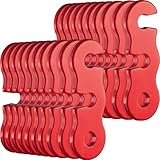
When setting up your tent, ensure you have reliable guy line tensioners on hand to make adjustments quick and easy.
1. Lay out the tent body: Spread the tent flat on your chosen campsite. Make sure it’s oriented so the doors face a convenient direction, away from prevailing wind if possible.
- Good looks like: The tent is oriented nicely, not bunched up or awkwardly placed on roots.
- Common mistake: Pitching the tent directly in a natural drainage path. Rain will find it.
2. Insert poles: Assemble your tent poles and insert them into the corresponding sleeves or clips on the tent body.
- Good looks like: Poles are fully seated and not forcing the fabric.
- Common mistake: Forcing poles, potentially bending or breaking them. Be gentle.
3. Stake out the corners: Secure the four main corners of the tent to the ground. Use stakes designed for the terrain (sand, soil, rock).
- Good looks like: Tent is anchored firmly, no flapping.
- Common mistake: Not staking corners first. This makes it hard to get the rest of the tent taut later.
4. Attach the rainfly: Drape the rainfly over the tent body. Connect it to the poles and tent corners using the buckles, clips, or velcro tabs.
- Good looks like: Rainfly is centered and attached evenly.
- Common mistake: Putting the rainfly on backward or inside out. Double-check the orientation.
5. Identify guy-out points: Locate the loops or webbing tabs on the rainfly where the guy lines attach.
- Good looks like: You can easily see all the points where guy lines will connect.
- Common mistake: Missing a guy-out point, leaving a section of the rainfly loose.
6. Attach guy lines to tensioners: Thread the end of each guy line through the slot in a guy line tensioner. Some tensioners have a specific way to loop the cord; check the instructions for your specific type.
- Good looks like: The guy line is securely attached to the tensioner, ready to be adjusted.
- Common mistake: Not securing the end of the guy line after threading it through the tensioner, leading to slippage.
7. Connect guy lines to the tent: Clip or tie the other end of the guy line to the corresponding guy-out point on the rainfly.
- Good looks like: All guy lines are connected to their points on the rainfly.
- Common mistake: Connecting a guy line to the wrong point, creating uneven tension.
8. Stake out the guy lines: Extend the guy lines away from the tent at an angle. Stake them into the ground, aiming for a 45-degree angle relative to the rainfly.
- Good looks like: Guy lines are taut and pulling the rainfly away from the tent body, creating space.
- Common mistake: Staking guy lines too close to the tent, which doesn’t provide effective tension.
9. Adjust tension with tensioners: Use the guy line tensioners to tighten each line. Pull the free end of the cord and slide the tensioner down to take up slack.
- Good looks like: The rainfly is taut, smooth, and free of wrinkles. No sagging.
- Common mistake: Over-tightening. This can warp poles, rip fabric, or pull stakes out of the ground.
10. Check and fine-tune: Walk around the tent. Push on the rainfly. Adjust any lines that feel loose or overly tight. Ensure the tent is stable and sheds water effectively.
- Good looks like: The whole tent feels drum-tight and secure.
- Common mistake: Forgetting to re-check tension after a few hours or overnight, as fabric can stretch.
For effortless adjustments, consider using adjustable tent cord locks, which simplify the process of tightening and loosening your guy lines.

Common mistakes (and what happens if you ignore them)
| Mistake | What it causes | Fix |
|---|---|---|
| Not using guy lines | Tent sags, collects water, is unstable in wind, reduced ventilation. | Always deploy and tension all guy lines, especially in breezy conditions. |
| Over-tightening guy lines | Bent poles, ripped fabric, pulled stakes out, stress on seams. | Tension until taut, not until you feel resistance. Fabric should be smooth, not stretched. |
| Under-tightening guy lines | Rainfly flaps, collects water, can billow and chafe against the tent body. | Adjust tensioners until the rainfly is smooth and firm. |
| Staking guy lines too close to the tent | Ineffective tension, rainfly can sag or touch tent body, reducing waterproofing. | Stake guy lines at a 45-degree angle away from the tent. |
| Using the wrong stakes for the terrain | Stakes pull out easily in sand/loose soil, or won’t go in on rocky ground. | Carry a variety of stakes (e.g., sand stakes, rock stakes) and know when to use them. |
| Not adjusting for wind shifts | Tent becomes unstable if wind direction changes, leading to flapping or sagging. | Periodically check and adjust guy line tension as wind conditions change. |
| Forgetting to pack guy line tensioners | Adjusting tension is difficult and time-consuming, often resulting in loose lines. | Always pack your tensioners with your tent. They’re small but mighty. |
| Not checking tent pitch after initial setup | Minor sag or looseness goes unnoticed, leading to problems later. | Do a full walk-around and fine-tune all lines after the initial pitch. |
| Pitching on uneven ground | Puts stress on poles and fabric, makes it harder to get even tension. | Find the flattest, most level spot available. Clear debris. |
| Not practicing at home | Fumbling in the dark or bad weather, making mistakes that could be avoided. | Set up your tent at least once at home before your first trip. Get familiar with the process. |
To avoid the common mistake of under-tightening or over-tightening, quality guy line tensioners are essential for achieving the perfect tautness.
Decision rules (simple if/then)
- If the forecast calls for wind, then use all available guy lines and tensioners to their maximum effect because wind will find any slack and exploit it.
- If you’re camping in loose soil or sand, then use wider, longer stakes and splay them out more because standard stakes will pull out easily.
- If you hear flapping fabric overnight, then get up and re-tension the relevant guy lines because flapping means reduced stability and potential abrasion.
- If the rainfly is touching the inner tent body, then you need to increase tension on the guy lines because this compromises waterproofing and ventilation.
- If you’re using a lightweight backpacking tent, then be extra gentle with poles and fabric because these are often designed for low weight, not brute force.
- If you’re in a high-wind area, then consider using extra guylines or anchor points if your tent design allows, because more anchor points mean more stability.
- If it starts raining heavily, then check your guy line tension after the first hour because the fabric can stretch slightly when wet, requiring re-tensioning.
- If you’re pitching on rock, then use rocks to weigh down stake loops or find natural anchors because pounding stakes might not be an option.
- If you feel significant resistance when inserting poles, then stop and check for snags or misalignment because forcing them can cause damage.
- If you’re in a very wet environment, then ensure your tent has good ventilation by opening vents and keeping the rainfly taut to prevent condensation buildup.
FAQ
What are guy line tensioners for?
They’re small devices that make it easy to adjust the tautness of your tent’s guy lines without tying and re-tying knots. They help you get a perfect, drum-tight pitch.
Adjustable tent cord locks are designed to make adjusting your tent’s guy lines simple and efficient, ensuring a secure pitch every time.
How do I use a typical guy line tensioner?
Most have a slot where you thread the guy line cord. You then pull the cord and slide the tensioner down towards the stake to tighten it. Releasing it loosens the line.
Do I really need guy lines?
Yes, especially if there’s any chance of wind or rain. They anchor your tent, keep the rainfly off the inner tent for ventilation, and prevent water from pooling.
Can I overtighten my guy lines?
Absolutely. Over-tightening puts stress on your tent poles and fabric, which can lead to damage. Tension them until the fabric is smooth, not stretched to its limit.
What if I lose a tensioner?
It’s a pain. You’ll have to rely on knots, which are slower to adjust. Always keep spares if you can.
Are there different types of tensioners?
Yes, but most work on the same principle of gripping the cord. Some are plastic, some are metal, and some have specific locking mechanisms.
When should I re-tension my guy lines?
Check them after your initial pitch, and again after a few hours, especially if the weather changes or overnight. Fabric can stretch or contract.
What happens if my tent sags in the rain?
Sagging means water can pool on the rainfly and potentially leak through, or the rainfly can touch the inner tent, reducing waterproofing and ventilation.
Can tensioners help with wind?
They are crucial for wind. They allow you to quickly and effectively tighten your lines to keep your tent stable and prevent flapping.
What this page does NOT cover (and where to go next)
- Specific tent pole repair techniques.
- Advanced knot-tying for guylines (though useful, tensioners are simpler).
- Detailed campsite selection strategy beyond basic LNT.
- In-depth weather forecasting or interpretation.
- Specific wildlife encounter protocols for every animal.

Camping Bob has spent over 20 years camping across the US — from BLM dispersed sites in the Southwest to KOA campgrounds in the Pacific Northwest. He writes practical, no-nonsense guides to help fellow campers get outdoors with confidence.