
Using a Camping Coffee Maker
Quick answer
- Pack your favorite coffee maker and grounds.
- Know your fuel source: propane, battery, or manual.
- Filtered water is key for good taste.
- Pre-grind beans or grind at camp.
- Practice at home first.
- Pack out all trash, including used grounds.
- Check fire restrictions before lighting a stove.
- Enjoy that first cup with the sunrise.
What to check first (do this before you drive out)
Before you even think about brewing, a few things need a once-over. This isn’t rocket science, but it saves a lot of headaches.
- Land manager / legality: Who’s in charge of where you’re going? Is it National Forest, BLM land, a State Park, or private? Each might have different rules about fires, stoves, and where you can camp. A quick look at the agency’s website or a call can clear this up. It’s usually pretty straightforward, but better to know than to find out the hard way.
- Access/road conditions: Can your rig actually get there? If you’re heading down a dirt road, is it 2WD friendly, or do you need AWD or high clearance? Mud, snow, or washouts can turn a scenic drive into a recovery mission. Don’t get stuck before you even set up camp.
- Fire restrictions + weather + wind: This is a big one for coffee, especially if you’re using a stove. Are campfires banned? Are there any restrictions on stoves? Check the local fire danger level. Also, look at the forecast. Strong winds can make brewing tricky and dangerous.
- Water plan + waste plan (Leave No Trace): You need water for coffee, obviously. Is there a potable water source, or are you packing it all in? And what about your used coffee grounds and filters? Pack it in, pack it out. Seriously, those grounds can take a while to break down and attract critters.
- Safety (wildlife, distance to help, comms): Know what critters are in the area and how to store your food. How far are you from the nearest ranger station or town? Do you have cell service? A satellite messenger is a good idea for remote spots. A little prep goes a long way for peace of mind.
Step-by-step (field workflow)
Alright, you’ve done your homework. Now it’s time to make that glorious first cup of camp coffee.
1. Set up your camp kitchen.
- What to do: Find a level spot away from your tent for your stove and coffee-making gear. Clear the area of any dry leaves or grass.
- What “good” looks like: A stable setup, a clean workspace, and no fire hazards.
- Common mistake: Setting up too close to the tent or on uneven ground. This is a fire risk and can lead to spills.
2. Gather your brewing supplies.
- What to do: Get your coffee maker, filter (if needed), coffee grounds, mug, and any sweetener or creamer.
- What “good” looks like: Everything is within easy reach and organized.
- Common mistake: Forgetting a key ingredient, like the filter or the coffee itself. Happened to me once. Never again.
3. Measure your water.
- What to do: Use your mug or a measuring cup to get the right amount of water for your brew.
- What “good” looks like: Accurate measurement for the perfect coffee-to-water ratio.
- Common mistake: Guessing the water amount, leading to weak or overly strong coffee.
4. Heat your water.
- What to do: Pour the measured water into your camping kettle or directly into your coffee maker if it has a heating element. Place it on your stove or power it up.
- What “good” looks like: Water heating efficiently and safely.
- Common mistake: Overfilling the kettle, causing spills when it boils, or using a stove that’s too high and boiling water too fast.
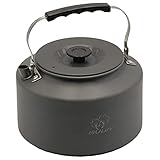
For heating your water efficiently, consider a durable camping kettle. This will ensure your water is ready for brewing in no time.
5. Prepare your coffee grounds.
- What to do: If you pre-ground your beans, measure them into your filter or coffee maker basket. If you’re grinding at camp, do it now.
- What “good” looks like: The right amount of fresh grounds ready to go.
- Common mistake: Using too much or too little coffee, or not having a grinder if you prefer fresh-ground.
6. Brew your coffee.
- What to do: Once the water is hot (just off the boil is usually best), carefully pour it over the grounds according to your coffee maker’s instructions.
- What “good” looks like: A steady pour, even saturation of the grounds, and the aroma filling the air.
- Common mistake: Pouring too fast or too slow, or using water that’s too hot or too cold, which affects extraction.
7. Let it steep/drip.
- What to do: Allow the coffee to brew fully. This might involve waiting for it to drip or steeping for a few minutes.
- What “good” looks like: The coffee is fully brewed and ready to pour.
- Common mistake: Rushing the process, resulting in weak coffee, or letting it steep too long, making it bitter.
8. Pour and enjoy.
- What to do: Carefully pour the hot coffee into your mug. Add any milk, cream, or sugar.
- What “good” looks like: A perfect, steaming cup of coffee enjoyed in the great outdoors.
- Common mistake: Spilling hot coffee due to a shaky hand or an unstable mug.
9. Clean up immediately.
- What to do: Dispose of used grounds and filters properly (pack them out!). Rinse your coffee maker and gear.
- What “good” looks like: All trash is packed out, and your gear is clean for the next use.
- Common mistake: Leaving grounds at the campsite, which attracts animals and is bad for the environment.
Common mistakes (and what happens if you ignore them)
| Mistake | What it causes | Fix |
|---|---|---|
| Forgetting a key component | No coffee! Or a very frustrating morning. | Double-check your packing list. Practice at home. |
| Using dirty water | Off-tasting coffee, potential illness. | Filter or boil all water if not from a potable source. |
| Not checking fire restrictions | Fines, campsite closure, starting a wildfire. | Always check the local fire danger level and agency rules. |
| Leaving coffee grounds behind | Attracts wildlife, looks bad, unnatural decomposition. | Pack out all coffee grounds and filters. Use a designated bag. |
| Brewing on an unstable surface | Spills, burns, broken gear. | Ensure your stove and brewing area are on level, stable ground. |
| Using water that’s too hot | Burnt taste, bitter coffee. | Let boiling water cool for 30-60 seconds before brewing. |
| Not cleaning gear immediately | Stains, lingering smells, attracts pests. | Rinse and clean your coffee maker and accessories right away. |
| Ignoring wind | Spills, difficult brewing, potential fire hazard. | Use a windscreen, or wait for calmer conditions if it’s severe. |
| Not knowing your stove’s fuel level | Running out of fuel mid-brew. | Always check fuel levels before you leave home and at camp. |
| Over-extracting (too long steeping) | Bitter, unpleasant taste. | Follow recommended brew times for your specific coffee maker. |
Decision rules (simple if/then)
- If you are in a high fire danger area, then use an electric or battery-powered coffee maker if possible, because propane stoves can still be a spark risk.
- If you have no access to potable water, then pack in all the water you’ll need for drinking and coffee, because dehydration is no joke.
- If you are car camping, then bring your preferred home coffee maker (like a French press or pour-over), because you have the space and power.
- If you are backpacking, then opt for lightweight, compact options like instant coffee or a collapsible pour-over, because every ounce matters.
- If the wind is strong, then find a sheltered spot or use a windscreen for your stove, because brewing in the open can be messy and dangerous.
- If you are unsure about local regulations, then check the land manager’s website or call them, because ignorance isn’t a valid excuse.
- If you have a gas stove, then ensure you have enough fuel for your entire trip plus a little extra, because running out of fuel is a guaranteed bad morning.
- If you are using a percolator, then be mindful of over-boiling, because it can lead to a bitter taste.
- If you prefer a cleaner brew, then use paper filters or a fine mesh filter, because sediment can be off-putting for some.
- If you are concerned about wildlife, then store your coffee grounds with your food waste in bear-resistant containers or bags, because animals love the smell.
- If you are camping in bear country, then always brew away from your sleeping area, because the smell of coffee can attract unwanted visitors.
FAQ
What’s the best type of camping coffee maker?
It really depends on your trip. For car camping, a French press or a portable drip machine works great. For backpacking, look at lightweight pour-overs or high-quality instant coffee.
Do I need a special stove for camping coffee?
Not usually. Most camping coffee makers are designed to work with standard camping stoves (propane, butane). Some electric models just need a power source.
How much coffee should I use?
A good starting point is the golden ratio: 1 part coffee to 15-18 parts water. Adjust to your taste. It’s better to measure than guess.
Is it okay to brew coffee directly over a campfire?
Generally, no. Campfires are often too hot and inconsistent for brewing good coffee, and they can be a fire hazard. Stick to a stove.
Can I use water from a stream to make coffee?
Only if you treat it first. Boil it or use a water filter. Untreated water can make you sick.
How do I store coffee grounds at camp?
Pack them out! Use a sealed bag or container. Don’t bury them; they attract animals and decompose slowly.
What if I forget my coffee maker?
You can try making “cowboy coffee” by boiling grounds directly in water and letting them settle, but it’s often gritty. Or, just go without and enjoy the quiet morning.
Is it okay to use a paper filter in the backcountry?
Yes, but you must pack it out with the used grounds. Leaving them behind is bad Leave No Trace practice.
What this page does NOT cover (and where to go next)
- Specific campsite reservation details and fees. (Check the official park or agency website.)
- Detailed regional wildlife identification and specific encounter protocols. (Consult local wildlife agencies or park rangers.)
- In-depth legal statutes regarding camping or fire bans. (Review the governing agency’s regulations.)
- Advanced barista techniques for the wilderness. (Explore specialty coffee blogs and forums.)
- Reviews of specific coffee maker brands and models. (Read gear reviews from outdoor publications.)