
Understanding Campfire Temperatures: How Hot Do They Burn?
Quick answer
- Campfire temps vary wildly, from 600°F to over 1100°F, depending on fuel and airflow.
- Dry, seasoned hardwoods burn hottest and longest.
- Oxygen is your friend for a hotter fire; too much can make it burn too fast.
- The core of the fire, where coals are dense, is the hottest spot.
- Temperature affects cooking effectiveness and safety.
- Always check fire restrictions before you even think about lighting one.
What to check first (do this before you drive out)
Before you even pack the car for a campfire trip, get a few things dialed in.
- Land manager / legality: Who’s in charge of the land you’re heading to? Is it National Forest, BLM, State Park, or private? Each has its own rules about fires. Ignorance isn’t a good excuse when a ranger shows up. Check the official website for the specific land management agency.
- Access/road conditions: How are the roads looking? Some forest roads are fine for a sedan, others need high clearance or 4WD. Mud, snow, or washouts can turn a fun trip into a tow-truck saga. A quick call to the ranger station or checking recent trip reports can save you a headache.
- Fire restrictions + weather + wind: This is non-negotiable. Drought conditions can lead to total fire bans. High winds are a recipe for disaster. Check the current fire danger level for your specific area. A breezy day can turn a controlled fire into a wildfire real fast. Don’t be that person.
- Water plan + waste plan (Leave No Trace): Have plenty of water ready to douse your fire completely. Think buckets, not just a small bottle. And plan how you’ll pack out everything, including ash if required. Leave No Trace principles are key to keeping these wild places open for everyone.
- Safety (wildlife, distance to help, comms): Know what critters might be around and how to store food properly. How far is the nearest town or ranger station? Cell service is often spotty, so have a plan for emergencies. A satellite messenger is a solid investment if you’re going remote.
Step-by-step (field workflow)
Let’s get that fire going safely and efficiently.
1. Scout your location: Find a designated fire ring or a safe, clear spot away from trees and brush.
- Good looks like: A level spot, at least 10 feet from anything flammable, preferably with a pre-existing ring.
- Common mistake: Setting up too close to overhanging branches or dry grass. Avoid this by looking up and around.
2. Gather your materials: Collect tinder (dry leaves, bark shavings), kindling (small twigs), and fuel wood (larger branches).
- Good looks like: A variety of sizes, all bone dry. You can’t burn wet logs.
- Common mistake: Bringing only huge logs. You need small stuff to get it started. Collect a range of sizes.
3. Prepare the fire pit: Clear any debris from the fire ring or the area if you’re building one from scratch (where permitted).
- Good looks like: A clean, bare spot or ring.
- Common mistake: Leaving pine needles or dry leaves in the ring. They’ll catch and burn unexpectedly.
4. Build a base: Place a small amount of tinder in the center of the pit.
- Good looks like: A fluffy, airy nest of dry material.
- Common mistake: Packing the tinder too tightly. It needs air to ignite.
5. Add kindling: Arrange small twigs over the tinder, creating a structure for airflow (like a teepee or log cabin).
- Good looks like: A structure that allows air to reach the tinder.
- Common mistake: Smothering the tinder with too much kindling at once. Start small.
6. Light the tinder: Use a match or lighter to ignite the tinder.
- Good looks like: The tinder catches and begins to burn steadily.
- Common mistake: Holding the flame too briefly or in the wrong spot. Be patient and aim for the base.
For consistent ignition, a stormproof lighter is an excellent tool to have. It works even in windy or wet weather, ensuring you can light your fire when you need to.

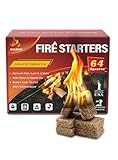
To make lighting easier, consider using a reliable campfire fire starter. It can significantly help get your tinder going, especially in damp conditions.
7. Feed the flames: Once the kindling is burning, gradually add larger pieces of kindling, then small fuel wood.
- Good looks like: A steady flame growing in size.
- Common mistake: Adding too much wood too soon, which can smother the nascent fire. Go slow.
8. Establish coals: Once you have a good flame, add larger fuel wood, allowing it to burn down into hot coals. This is where the real cooking heat comes from.
- Good looks like: A bed of glowing red coals. This is the hottest part.
- Common mistake: Not letting the wood burn down enough. Green flames don’t cook well.
9. Maintain the fire: Add fuel wood as needed to keep the coals going.
- Good looks like: A consistent bed of coals and manageable flames.
- Common mistake: Letting the fire get too big or unruly. Keep it contained.
10. Extinguish properly: When done, douse with water, stir the ashes, and douse again until everything is cool to the touch.
- Good looks like: Cold, dead ashes. If you can’t touch it, it’s not out.
- Common mistake: Thinking a little water is enough. Drown, stir, feel. Repeat.
Common mistakes (and what happens if you ignore them)
| Mistake | What it causes | Fix |
|---|---|---|
| Ignoring fire restrictions | Fines, potential jail time, and devastating wildfires that destroy habitats and homes. | Always check current restrictions with the land manager <em>before</em> you go. Seriously. |
| Using wet or green wood | Smoldering, smoky fires that produce little heat and are hard to keep lit. Creates a ton of unpleasant smoke. | Gather and dry wood beforehand, or ensure you’re collecting only dead, dry wood from the ground. |
| Building a fire too close to cover | Fire spreading to trees, brush, or tents, leading to uncontrolled blazes and potential injury or loss. | Maintain a minimum 10-foot clearance from all flammable materials, including overhead branches. Use designated fire rings. |
| Not having enough water to extinguish | Campfire reigniting after you leave, starting a wildfire. This is a huge betrayal of the outdoors. | Bring more water than you think you need. Buckets are your friend. Drown, stir, feel. |
| Leaving the fire unattended | Fire spreading quickly and unexpectedly, especially in windy conditions. | Never leave a fire burning unsupervised, even for a minute. Someone needs to be watching it. |
| Using accelerants like gasoline | Explosions, uncontrolled flare-ups, and the fire burning too hot too fast, making it impossible to control. | Use proper tinder and kindling. Patience is key. Accelerants are dangerous and often illegal for campfires. |
| Not clearing debris from the pit | Debris igniting and burning outside the intended fire area, potentially spreading to surrounding ground. | Thoroughly clear the fire pit of all leaves, pine needles, and other flammable material before lighting. |
| Not having a way to communicate | Inability to call for help in an emergency, leading to delayed rescue and potentially worse outcomes. | Carry a fully charged cell phone, know emergency numbers, and consider a satellite messenger for remote areas. |
| Building a fire on windy days | Fire spreading uncontrollably and rapidly, becoming a wildfire. Wind is the enemy of contained fires. | Postpone campfires or be extremely cautious on windy days. If winds pick up significantly, extinguish the fire immediately. |
| Not packing out ashes (if required) | Unsightly fire rings, potential impact on soil and vegetation, and disrespecting Leave No Trace principles. | Check local regulations; some areas require packing out cooled ashes. Dispose of them properly and spread them out if permitted. |
Decision rules (simple if/then)
- If fire restrictions are in place, then do not build a fire because it’s illegal and dangerous.
- If the wind is gusting over 15 mph, then extinguish your fire because it’s too risky.
- If you don’t have at least two gallons of water readily available, then don’t start a fire because you can’t properly put it out.
- If you are not in a designated fire ring or pit, then do not build a fire unless regulations explicitly permit it and you know how to do it safely.
- If the ground is covered in dry grass or leaves, then clear a 10-foot radius around the fire pit because that material can ignite easily.
- If you are using green or wet wood, then expect a smoky, inefficient fire because it needs to dry out first.
- If your fire is producing excessive smoke that is bothering others or is a safety hazard, then reduce the amount of wood or add more airflow because smoke indicates incomplete combustion.
- If you are cooking, then aim for a bed of hot coals rather than high flames because coals provide more consistent, controllable heat.
- If you see embers escaping the fire pit, then immediately extinguish them because they can start spot fires.
- If you are unsure about the legality or safety of a campfire, then err on the side of caution and skip it because safety and preservation are paramount.
FAQ
How hot does a typical campfire get?
Temperatures can range significantly, but a well-maintained campfire with dry hardwood can reach between 600°F and 1100°F (315°C to 593°C) in its hottest spots.
What is the hottest part of a campfire?
The hottest part is typically the core where the coals are densest and have good airflow, often reaching peak temperatures.
Does wood type affect campfire temperature?
Yes, hardwoods like oak and maple burn hotter and longer than softwoods like pine because they are denser and contain more energy.
How does airflow impact campfire heat?
More airflow generally means a hotter fire, as oxygen is crucial for combustion. Too much airflow can make it burn too quickly, though.
Can I cook directly over flames?
While possible, cooking over hot coals provides more even and controllable heat for most foods. Flames are great for boiling water quickly.
What’s the difference between a campfire and a bonfire?
A bonfire is generally a much larger fire, often for celebration, while a campfire is smaller and intended for warmth, cooking, and ambiance. The temperature principle is the same, but scale and control differ.
How long does it take for a campfire to burn down?
This depends on the size of the fire, the type of wood, and how much fuel you add, but a decent bed of coals can last for several hours.
Is it safe to leave a campfire smoldering overnight?
No, never leave a campfire unattended. Even a smoldering fire can reignite. Always extinguish it completely.
What this page does NOT cover (and where to go next)
- Specific regulations for individual campgrounds or dispersed camping areas. Check the land manager’s website for details.
- Advanced fire-starting techniques using specialized tools or primitive methods.
- Detailed information on the chemical reactions of combustion.
- Recipes for campfire cooking.
- Information on specific wildlife encounters and how to handle them.
Next, you might want to look into Leave No Trace principles, basic wilderness first aid, or how to choose the right camping gear.

Camping Bob has spent over 20 years camping across the US — from BLM dispersed sites in the Southwest to KOA campgrounds in the Pacific Northwest. He writes practical, no-nonsense guides to help fellow campers get outdoors with confidence.