
Troubleshooting: Making a Dead Lighter Work Again
Quick answer
- Check the fuel. Most lighters die from being empty.
- If it has fuel, check the flint. A worn-out flint won’t spark.
- Clean out debris. Lint or gunk can block the spark or fuel flow.
- Try a different surface. Sometimes the striker wheel is just dirty.
- For butane lighters, check the valve. Make sure it’s not stuck.
- If all else fails, it might be time for a new one. Not everything is fixable.
What to check first (do this before you drive out)
Before you start fiddling with that dead lighter, let’s make sure you’re not wasting good campfire time. A few quick checks can save you a headache.
- Land manager / legality: Who’s in charge here? Is it National Forest, BLM, or a state park? They dictate the rules. You don’t want to get fined for a campfire because your lighter wouldn’t light. Always know who manages the land you’re on and what their specific regulations are.
- Access/road conditions: Can you even get to a place where you might need a lighter? Is the road paved, gravel, or just a suggestion? If you’re in a 2WD sedan, a rough dirt track might be a no-go. Check conditions before you get stuck.
- Fire restrictions + weather + wind: This is huge. Is there a fire ban? Seriously, check it. Even if there isn’t, what’s the weather doing? High winds can make lighting anything a pain, and a sudden downpour will put out your best efforts. Be prepared for the elements.
- Water plan + waste plan (Leave No Trace): Got water? Got a way to pack out your trash? Lighters are small, but they’re still trash if they break. And if you’re making a fire, you need water to put it out completely. Pack it in, pack it out. Leave it better than you found it.
- Safety (wildlife, distance to help, comms): Are there bears? Are you miles from anywhere? Does your phone have service? Know your surroundings. A dead lighter is annoying, but a real emergency is way worse. Be aware of your situation and have a plan.
Step-by-step (field workflow)
Alright, your trusty lighter has given up the ghost. Don’t panic. Let’s walk through this like a seasoned camper.
1. Assess the fuel level.
- What to do: Hold the lighter up to a light source or gently shake it. For refillable lighters, try pressing the fill valve briefly (away from your face and any flames).
- What “good” looks like: You can see fuel sloshing around, or you hear a faint hiss when you press the valve.
- Common mistake: Assuming it’s full. Most lighters die from being empty. Always check fuel first.
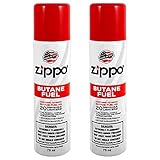
If your lighter is out of fuel, a high-quality butane refill canister can quickly get it working again.
2. Inspect the flint.
- What to do: If it’s a flint lighter, look at the tip of the flint. Is it worn down to a nub? Is it chipped or broken?
- What “good” looks like: The flint has a decent amount of material left and looks relatively smooth.
- Common mistake: Not realizing how much a flint wears down. They don’t last forever, especially with heavy use.
3. Clean the spark wheel and flint mechanism.
- What to do: Use a small brush (like an old toothbrush or a wire brush) to scrub the striker wheel and the area around the flint. Remove any lint, dirt, or carbon buildup.
- What “good” looks like: The wheel spins freely and the flint area is clear.
- Common mistake: Forgetting about the gunk. Even a little bit of debris can prevent a good spark.
4. Try a different striking surface.
- What to do: If the wheel is still problematic, try using a different rough surface to create a spark, like the edge of a rock or a rough piece of metal.
- What “good” looks like: You manage to get a spark, even if it’s weak.
- Common mistake: Giving up too easily. Sometimes the wheel is just too smooth or damaged.
5. Check the fuel flow (butane lighters).
- What to do: For refillable butane lighters, ensure the fill valve isn’t blocked. If it’s a disposable one, sometimes the nozzle can get clogged.
- What “good” looks like: You hear a clear hiss of gas when you press the button, and you can smell butane.
- Common mistake: Not realizing the valve can get stuck or clogged. A little nudge or cleaning might help.
6. Adjust the flame height screw (if applicable).
- What to do: Some lighters have a small screw to adjust flame height. If it’s turned all the way down, it might not ignite properly.
- What “good” looks like: You can turn the screw and it visibly affects the gas flow or potential flame.
- Common mistake: Ignoring the adjustment screw. It’s there for a reason.
7. Replace the flint (if possible).
- What to do: If your lighter is designed for it, carefully remove the old flint and insert a new one. Make sure it’s seated properly.
- What “good” looks like: The new flint is in place and makes good contact with the wheel.
- Common mistake: Forcing a new flint or not seating it correctly. This can damage the lighter.
For worn-out flints or other minor issues, a comprehensive lighter repair kit can often bring your trusty lighter back to life.

8. Refill with fresh fuel.
- What to do: If you suspect it’s out of fuel, or the fuel is old and stale, refill it with fresh, high-quality butane or lighter fluid.
- What “good” looks like: You can smell fresh fuel and the lighter now ignites.
- Common mistake: Using the wrong type of fuel or very old, degraded fuel. It might not ignite well or can even damage the lighter.
Ensure you have a fresh butane refill canister on hand to keep your lighter fueled and ready for use.
9. Warm it up.
- What to do: Extreme cold can affect fuel vaporization. Try warming the lighter in your hands for a few minutes.
- What “good” looks like: The lighter sparks and ignites after being warmed.
- Common mistake: Trying to light a very cold lighter in freezing temperatures. Give it a chance to warm up.
10. Check for leaks.
- What to do: After refilling, check for any obvious leaks around the valve or seams.
- What “good” looks like: No fuel smell or visible wetness where it shouldn’t be.
- Common mistake: Ignoring small leaks. They can be dangerous and waste fuel.
Common mistakes (and what happens if you ignore them)
| Mistake | What it causes | Fix |
|---|---|---|
| Assuming it has fuel | Wasting time troubleshooting a dry lighter | Always check fuel level first. |
| Not cleaning debris | Poor spark, weak flame, or no ignition | Brush out lint, dirt, and gunk from the mechanism. |
| Ignoring a worn-out flint | Weak or no spark, even with good fuel | Replace the flint. |
| Using old or wrong fuel | Poor performance, clogged parts, or lighter damage | Use fresh, correct fuel. |
| Trying to light in extreme cold | Fuel won’t vaporize, leading to no ignition | Warm the lighter in your hands first. |
| Forcing a new flint | Damaging the lighter’s flint housing or mechanism | Gently insert the new flint, ensuring it’s seated correctly. |
| Not checking the valve (butane) | Gas won’t flow, or flows too weakly to ignite | Clean or gently tap the valve to free it up. |
| Forgetting about wind | Flame blown out, making lighting impossible | Shield the lighter from the wind or find a sheltered spot. |
| Overfilling a refillable lighter | Fuel leaks, potential fire hazard | Fill only until a small amount of fuel is visible or just before. |
| Not checking for leaks after refilling | Wasted fuel, potential fire hazard | Inspect for leaks and smell after refilling. |
Decision rules (simple if/then)
- If the lighter is completely cold and hasn’t been used recently, then check the fuel level first because most lighters simply run out of fuel.
- If you can see fuel but it won’t spark, then inspect the flint because a worn-out flint is a common culprit.
- If the flint looks okay, but you still get no spark, then clean the striker wheel and flint housing because debris can block the spark.
- If you can get a spark but no flame, then check the fuel flow because the gas valve might be stuck or clogged.
- If it’s a butane lighter and you hear a faint hiss but no flame, then try adjusting the flame height screw because it might be set too low.
- If the lighter was dropped or hit, then check for visible damage to the mechanism or fuel reservoir because physical damage can be the cause.
- If you’ve tried cleaning, refilling, and checking the flint, and it still won’t work, then it’s likely time to replace it because some lighters are simply beyond repair.
- If you’re in a windy situation, then cup your hands around the lighter and the material you’re trying to light because wind is a major factor in ignition failure.
- If the lighter has been exposed to extreme cold, then warm it in your hands for a few minutes before attempting to light it because cold temperatures affect fuel vaporization.
- If you have multiple lighters, then try another one because sometimes it’s just a bad lighter and not a user error.
- If you’re trying to light damp tinder, then try to dry it first because wet material is much harder to ignite.
- If the lighter is a cheap disposable one that’s acting up, then don’t spend too much time on it; grab a new one because they aren’t always designed for extensive troubleshooting.
FAQ
My lighter sparks but won’t catch fire. What’s wrong?
This usually means you have a spark, but not enough fuel is reaching the spark. Check your fuel level and make sure the gas valve isn’t blocked or stuck. Cleaning the valve area can help.
How do I know if my lighter is out of fuel?
For refillable lighters, you can often see the fuel level if you hold it up to a light. For disposable ones, a gentle shake might reveal if there’s any liquid sloshing inside. You can also press the fuel button briefly (away from your face and any flames) – if you don’t hear or smell fuel, it’s likely empty.
Can I fix a lighter that’s been dropped?
Sometimes. If it was just a minor drop, cleaning the mechanism or replacing the flint might do the trick. If there’s visible damage to the casing or internal parts, it might be beyond repair.
My lighter works fine indoors but not outside in the cold. Why?
Cold temperatures make it harder for the fuel (like butane) to vaporize, which is necessary for ignition. Try warming the lighter in your hands for a few minutes before you try to light it.
What’s the difference between lighter fluid and butane?
Lighter fluid (like naphtha) is typically used for Zippo-style lighters with a wick and cotton packing. Butane is a gas used in most modern disposable and refillable lighters, requiring a valve system. Using the wrong fuel can damage your lighter.
How often should I replace the flint?
It depends on how much you use it. A good flint can last for hundreds of sparks, but if you notice weak sparks or it’s worn down to a tiny nub, it’s time for a new one.
My lighter smells like fuel but still won’t light.
This could mean the fuel isn’t reaching the spark effectively. Ensure the flint is making good contact with the striker wheel, and that the spark itself is strong enough. Debris in the mechanism can also cause this.
Is it worth trying to fix a cheap disposable lighter?
Generally, no. They’re designed for convenience and are not usually built for repair. If it stops working, it’s often more practical to just get a new one.
What this page does NOT cover (and where to go next)
- Detailed repair guides for specific luxury or vintage lighter models. (Look for manufacturer-specific guides or specialized repair forums.)
- Troubleshooting for electronic or plasma lighters. (These have different internal mechanisms and power sources.)
- Advanced fuel system diagnostics for complex refillable lighters. (Consult specialized lighter repair resources.)
- How to safely dispose of old or damaged lighters. (Check local hazardous waste guidelines.)
- Making a fire without any ignition source. (Explore friction-based fire-starting methods.)

Camping Bob has spent over 20 years camping across the US — from BLM dispersed sites in the Southwest to KOA campgrounds in the Pacific Northwest. He writes practical, no-nonsense guides to help fellow campers get outdoors with confidence.